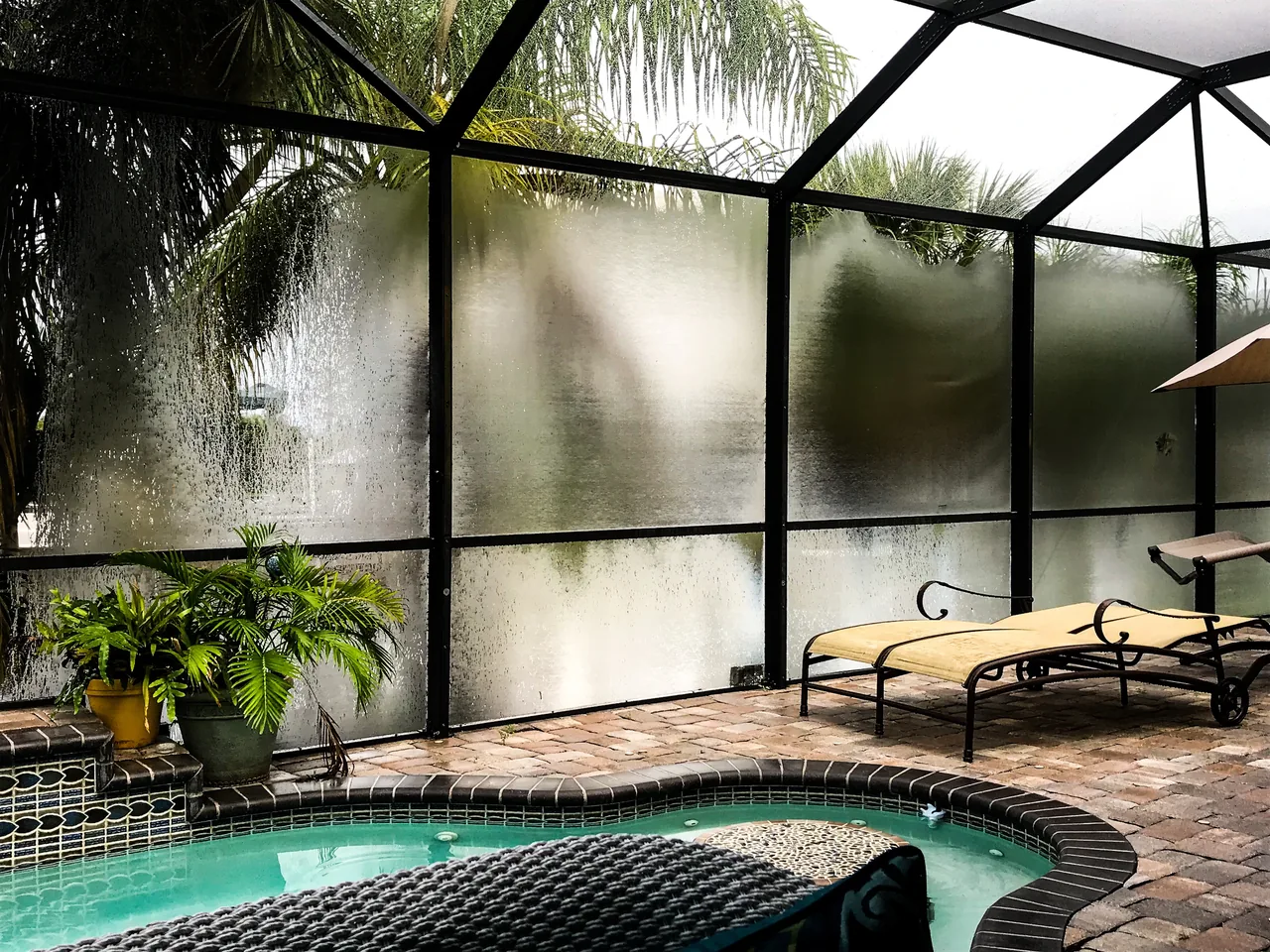
Sunroom remodeling in Florida usually means enclosing a screened lanai — the covered, screened patio that nearly every Florida home has — into a glassed-in, conditioned room you can use year-round. Done right, it is the most natural room addition in the state: the slab and roof are often already there, so you are converting space rather than building from the ground up. What decides whether the result is a usable room or a regrettable oven is two things Florida punishes harder than anywhere: the glazing and the conditioning. In the High-Velocity Hurricane Zone, the glass has to carry product approval and meet wind-load pressures, and everywhere in Florida it needs a Low-E, insulated assembly or the afternoon sun turns the room unbearable. We build the enclosure as a true room — insulated walls, a proper roof, impact-rated glass for your wind zone, and a sized HVAC tie-in or mini-split — permitted to the FBC so it counts as living space.
Watch
See Sunroom Remodeling Done Right in Florida
Lanai, Four-Season Room, or True Sunroom?
The first decision is how conditioned you want the space to be, because it drives the glazing, the insulation, the HVAC, and the permit. The same screened porch can become three very different rooms.
- Screened lanai — open to the outdoors through screen panels; comfortable in mild weather, useless in August heat or a storm
- Four-season glass enclosure — enclosed with glass and usable in more weather, but not always fully tied into the home's conditioned system
- True conditioned sunroom — an insulated, code-glazed room addition with HVAC, counted as living space when permitted; comfortable on the hottest Florida afternoon
- Hybrid — operable impact windows that open to a breeze and close to AC, the most flexible option for the Florida climate
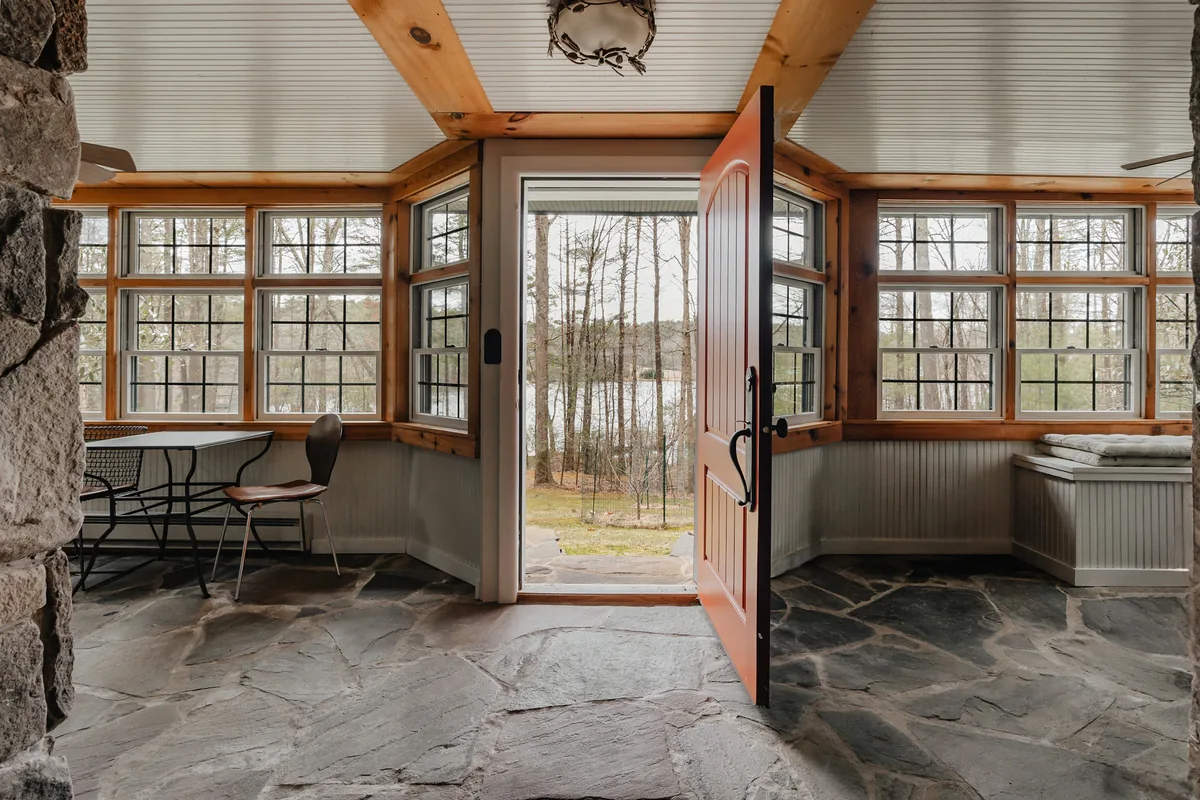
Which Sunroom Fits Your Climate and Budget?
Free in-home visit, a structure and glazing check, and a comfort-level recommendation matched to how you want to use the room. Written estimate, no pressure.
Why Sunrooms Are a Florida Staple
Almost every Florida home already has the bones for one. The screened lanai is a near-universal feature, which means the slab and a covering roof are frequently in place. Enclosing it captures outdoor square footage that the climate otherwise makes unusable for much of the year — and turns it into the room people actually want.
- Year-round usable space — a conditioned sunroom dodges the heat, humidity, bugs, and afternoon rain that close down a screened lanai
- Indoor-outdoor living — walls of glass keep the view and light that drew you to the lanai while sealing out the elements
- Added living area at resale — a permitted, conditioned sunroom can count toward your home's square footage
- Flexible use — breakfast room, sitting room, plant room, home office, or den, all in a space that was previously seasonal
Why Florida Sunroom Glazing Is Different
The glass is the entire ballgame in a Florida enclosure. Unlike a northern sunroom where the worry is heat loss, a Florida sunroom fights solar heat gain and hurricane wind loads. That puts the glazing at the center of both comfort and code.
- HVHZ product approval — in Miami-Dade, Broward, and other coastal South Florida jurisdictions, windows and doors must be product-approved and impact-rated, or paired with an approved shutter system
- Wind-load design pressure — even outside the HVHZ, glazing has to meet the design pressure for your wind zone under the FBC
- Low-E impact glass — cuts solar heat gain so the room does not overheat, the difference between a usable sunroom and an oven
- Insulated walls and roof — a conditioned sunroom needs an insulated envelope, not just glass on a screen frame, to hold the AC
- Slab moisture check — lanai slabs are often pitched to drain outward; we test and prepare the slab for a conditioned floor
Keeping a Florida Sunroom Cool
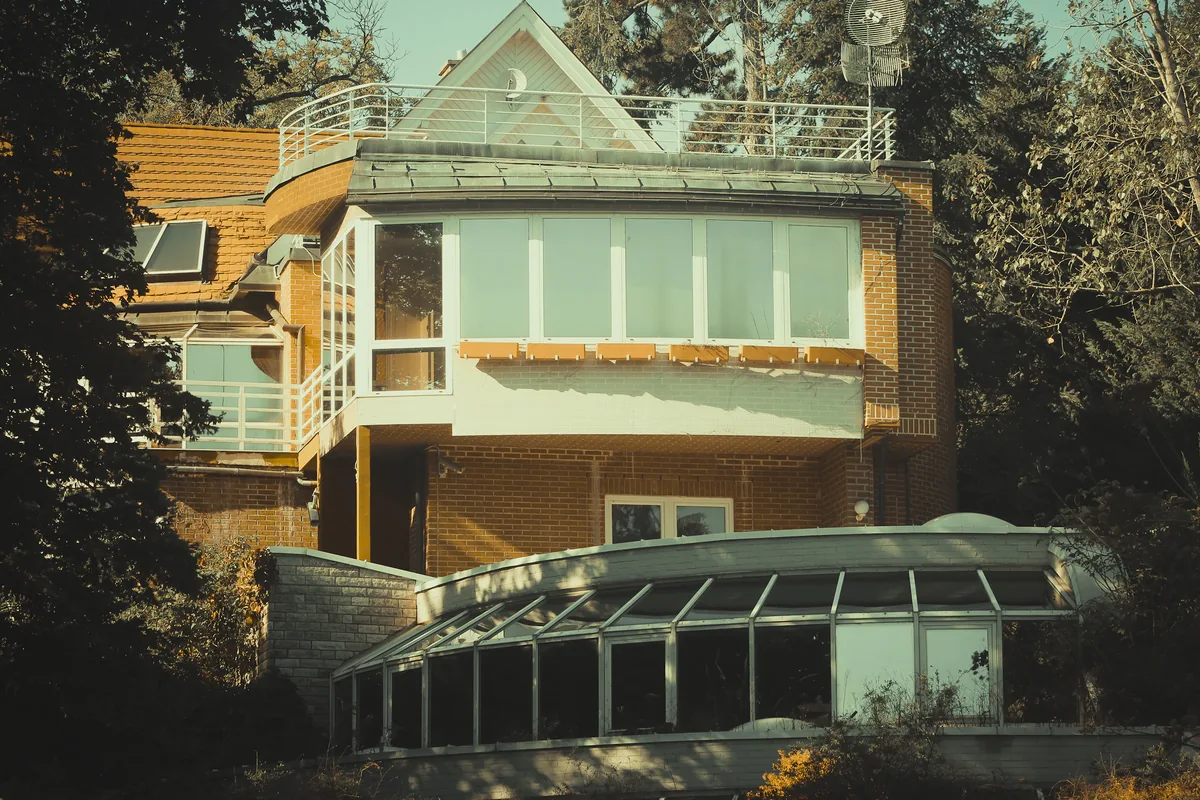
This is where most sunrooms fail. A room wrapped in glass under the Florida sun will overheat unless the glazing and conditioning are designed together. Low-E impact glass cuts the solar heat gain, an insulated wall and roof assembly holds the conditioned air, and a properly sized mini-split or HVAC tie-in removes the rest. Single-pane glass on an un-insulated screen frame is exactly the recipe that produces a room nobody uses after 10 a.m.
We size the conditioning to the glass area and orientation, and we can specify operable impact windows so the room opens to a breeze on mild days and seals to AC on hot ones. Porcelain Tile Flooring → over the prepared slab finishes a sunroom that stays cool and shrugs off humidity and blown-in rain.
Permits, Structure, and Roof in Florida
Enclosing a lanai or building a sunroom is structural work, so it falls under the Florida Building Code and requires a permit and inspections — the wall framing, roof assembly, glazing, and any electrical all have to meet code. When the room is conditioned, the change of use raises the bar further, bringing insulation and HVAC requirements into the permit.
An existing lanai roof is sometimes sound enough to reuse, and sometimes it needs reinforcement to carry the wind loads the FBC now requires for an enclosed, conditioned room. We assess the existing structure honestly, specify what the roof and framing need, pull the permit, and close it out — so the sunroom is both safe in a storm and legal on the records.
Our 6-Step Sunroom & Lanai Enclosure Process
Every Pro Work sunroom follows the same six-step framework — built for a conditioned, wind-rated, code-compliant result.
- Free in-home consultation. We assess the existing lanai or porch structure, slab, and roof, and confirm whether you want a true conditioned room or a four-season enclosure. No commitment.
- Permit & glazing plan. We prepare plans and pull the FBC permit, specifying impact-rated or product-approved glazing for the wind zone and confirming the roof and structural requirements.
- Structure & roof. We reinforce or build the wall framing and roof assembly to carry wind loads, and prepare the slab for a conditioned floor.
- Glazing & insulation. Impact-rated or product-approved windows and doors installed, and the walls and roof insulated to a conditioned-space standard.
- HVAC & finishes. We tie the room into the home's HVAC or install a dedicated mini-split, then finish with waterproof flooring, drywall, trim, and paint.
Stop Losing Half the Year to a Hot, Buggy Lanai
Fast reply. Wind-zone glazed. Insulated and conditioned. A sunroom you actually use every day.
How to Identify a Qualified Florida Sunroom Contractor
A sunroom lives or dies on glazing, structure, and conditioning — the parts a glass-only installer often gets wrong. Verify all of the following before signing anything:
- Specs product-approved, wind-rated glazing
- A qualified contractor confirms the glazing meets your wind zone's design pressure and, in the HVHZ, carries product approval. Cheap single-pane glass on a screen frame may not be legal and will overheat.
- Assesses the roof and structure honestly
- An existing lanai roof may need reinforcement to carry the loads an enclosed room requires. A contractor who reuses an undersized roof without checking is cutting a structural corner.
- Designs glazing and conditioning together
- The glass area and the HVAC have to be sized as a pair. Confirm a real conditioning plan — a tie-in or sized mini-split — or the room bakes regardless of how nice the glass looks.
- Tests the lanai slab for moisture
- Lanai slabs are often pitched to drain outward and were never sealed for living space. Moisture testing before a conditioned floor goes down is essential on Florida slab-on-grade.
- Pulls the permit and closes it out
- Enclosing and conditioning a lanai is permit-required structural work. A contractor who skips the permit leaves you with an enclosure that is not legal living space.
Florida Sunroom Case Study
Our Installation Standards
Every Pro Work sunroom meets these installation standards:
- Florida Building Code compliance
- Structure, roof, glazing, and conditioning built to FBC requirements, with HVHZ product-approved glass where coastal South Florida requires it — and the permit closed out.
- Moisture-checked floor
- Slab MVER testing and, where needed, a barrier before a conditioned floor — the step that prevents moisture problems on a slab poured to drain outward.
Why Florida Homeowners Choose Pro Work for Sunrooms
A glass company sells glass. We build the room. The same crew that specs your impact glazing also reinforces the roof, sizes the conditioning, tests the slab, and closes out the permit — so the sunroom is comfortable, storm-rated, and legal.
- Wind-zone glazing, done right. Product-approved, impact-rated glass that passes inspection and survives a storm.
- Designed not to overheat. Low-E glass and sized conditioning so the room stays cool on a Florida afternoon.
- Honest about the roof. We reinforce what the loads require instead of reusing an undersized assembly.
- Permitted and legal. A conditioned, permitted sunroom counts toward your living area at resale.
- One crew, start to finish. Structure, glazing, conditioning, and finishes under one schedule.
Related Work We Coordinate
A sunroom enclosure pulls in flooring, walls, and finishing trades. We hold it all under one crew so the room comes together conditioned, dry, and finished:
- Tile Flooring — waterproof porcelain over the moisture-checked slab, the strongest floor for a sun-exposed room.
- Luxury Vinyl Plank — a waterproof, dimensionally stable alternative that tolerates the slab and the heat.
- Drywall Installation — mold-resistant board over the insulated walls and roof.
- Interior Painting — mildew-resistant finishes for a humid, sun-lit Florida room.