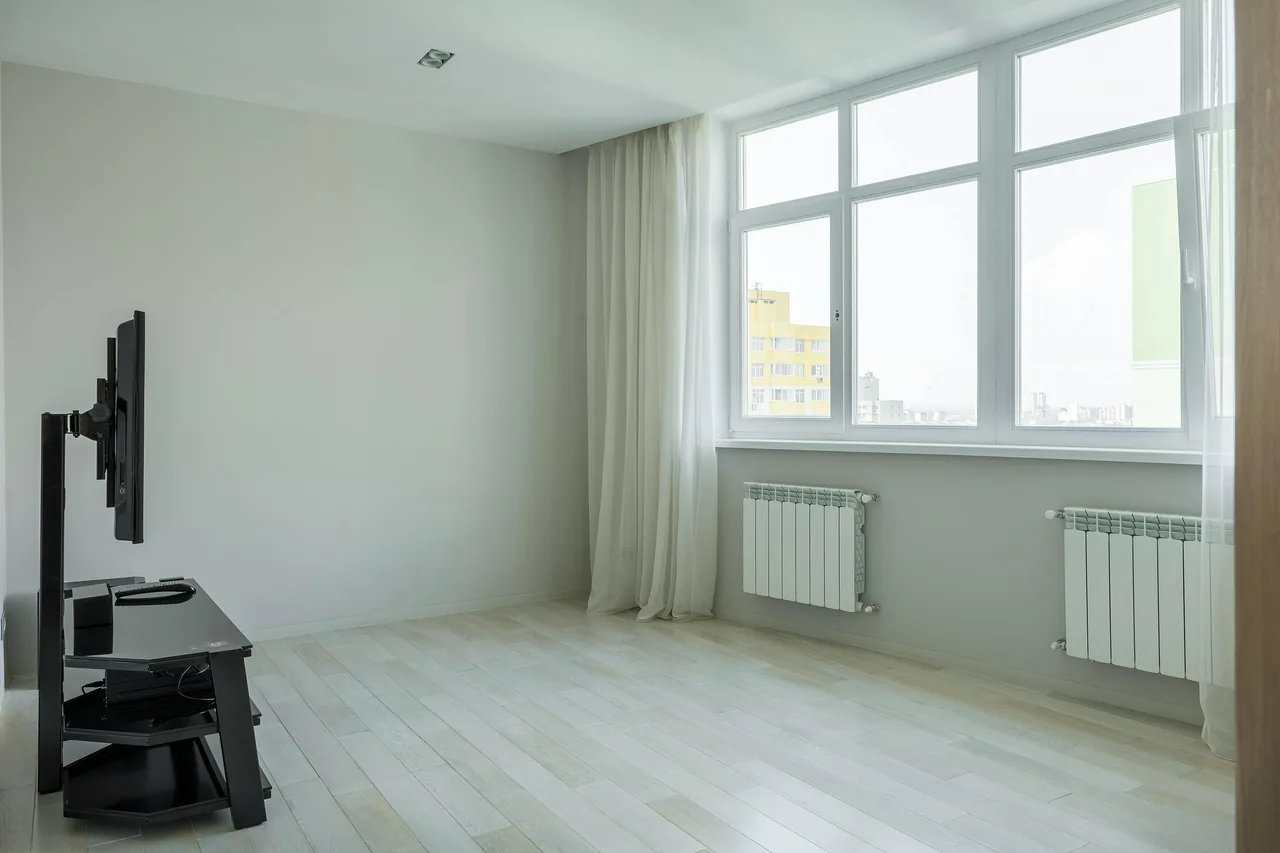
Hardwood flooring installation in Florida is the one floor where the climate fights you hardest — and where prep decides everything. Wood is hygroscopic: it absorbs and releases moisture, swelling when humidity rises and shrinking when it falls. In a Florida home, where indoor relative humidity swings wide and most subfloors are concrete slab-on-grade releasing vapor, that movement is what causes cupping (board edges rising above the center) and gapping. The wood is rarely the problem; the moisture test and acclimation were skipped. We treat hardwood as a moisture project first: we measure the slab's MVER, acclimate the wood to the home's real conditions, and — critically — recommend solid or engineered based on your subfloor, because engineered wood is usually the right call over a Florida slab. Species are chosen by Janka hardness to match your traffic.
Watch
See Hardwood Flooring Installation Done Right in Florida
Solid vs. Engineered Wood: Which One for a Florida Home?
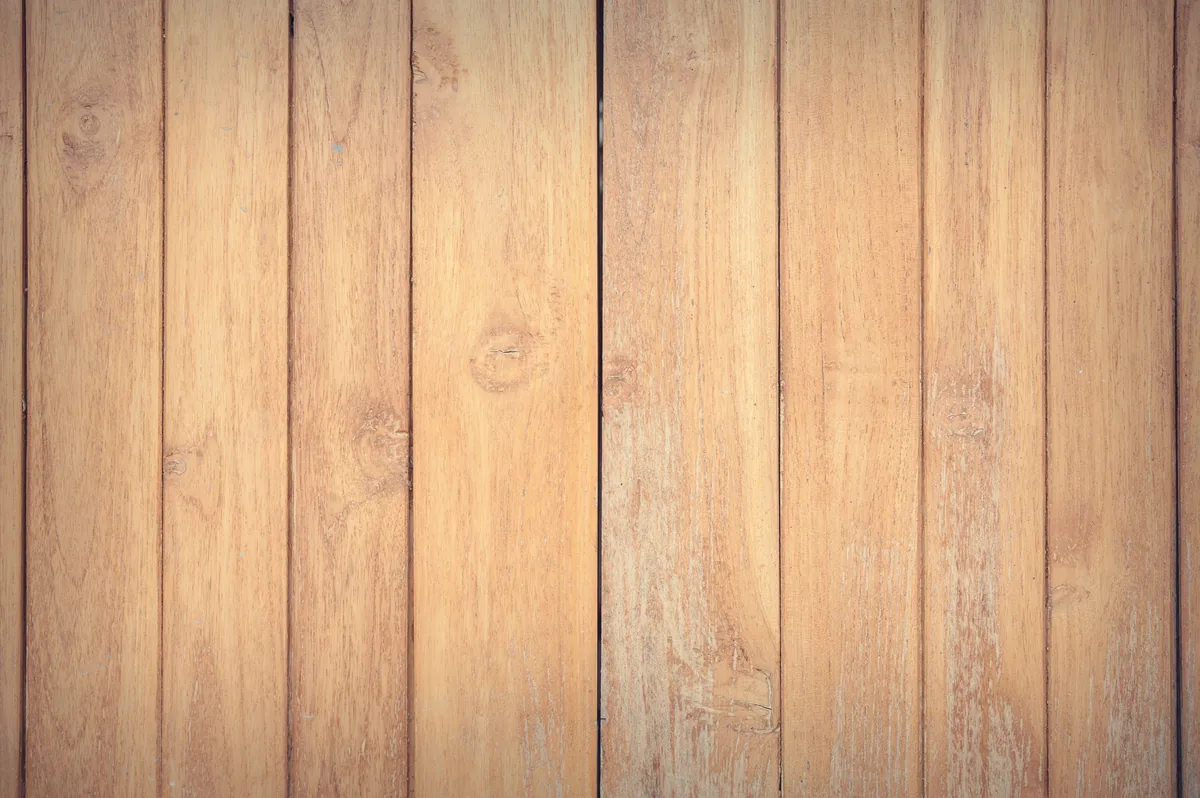
Over a concrete slab, engineered wood is usually the smarter choice in Florida — not because it is cheaper, but because it is built to resist the humidity movement that cups solid plank. Engineered boards use a real-wood wear layer over a cross-ply or composite core that stays dimensionally stable. Solid hardwood is beautiful and can be refinished many times, but it belongs over a wood subfloor with a controlled moisture environment.
- Engineered wood — a real-wood veneer over a stable cross-ply core; can glue down or float directly over slab, resists cupping, the Florida default over concrete
- Solid hardwood — solid through-and-through, refinishable many times; best over a wood subfloor in a humidity-controlled space, not a bare slab
- Wear-layer thickness (engineered) — a thicker veneer (3–6 mm) can be sanded and refinished once or twice; thin veneers cannot
- Prefinished vs. site-finished — prefinished installs faster with a factory-cured finish; site-finished allows a seamless custom look and on-site sanding
- Plank width — wider planks look modern but move more with humidity, so width and species are chosen together for Florida stability
Solid or Engineered for Your Home?
Free in-home visit, slab moisture check, and a solid-vs-engineered recommendation matched to your subfloor — written estimate, no pressure.
Janka Hardness: Matching the Species to Florida Traffic
The Janka rating measures how well a wood resists dents and wear — the higher the number, the harder the species. In a Florida home with sand, pets, and traffic, a harder species holds up better, though even hard woods need the moisture and acclimation done right.
- Hickory (~1,820 Janka) — among the hardest domestic species, excellent for high-traffic Florida households
- Hard maple (~1,450 Janka) — tight grain, very durable, takes a clean modern finish
- White oak (~1,360 Janka) — slightly harder than red oak and more water-tolerant; a top all-around Florida pick
- Red oak (~1,290 Janka) — the classic American hardwood, easy to match and refinish
- American walnut (~1,010 Janka) — softer and richer in color; beautiful but better suited to lower-traffic rooms
Why Florida Hardwood Installs Are Different
Humidity and the slab are the whole challenge. Get the moisture management right and a wood floor lasts decades in Florida; skip it and it cups within a season. Every step of our install is built around controlling moisture between the slab, the wood, and the home's air.
- Slab moisture-vapor emission rate (MVER) and relative-humidity probe testing before any glue-down — high readings call for a moisture barrier or rule out solid wood
- Acclimation of the wood to the home's actual temperature and humidity for several days so it is at equilibrium before installation
- Moisture-barrier or vapor-control adhesive on glue-down engineered installs over slab to keep slab vapor out of the wood
- Humidity-conscious expansion gaps at walls and transitions so the floor can move seasonally without buckling
- NWFA-aligned installation following National Wood Flooring Association moisture and acclimation guidance — and Bona or comparable finishes selected for Florida cure conditions
Hardwood and Finishes We Install
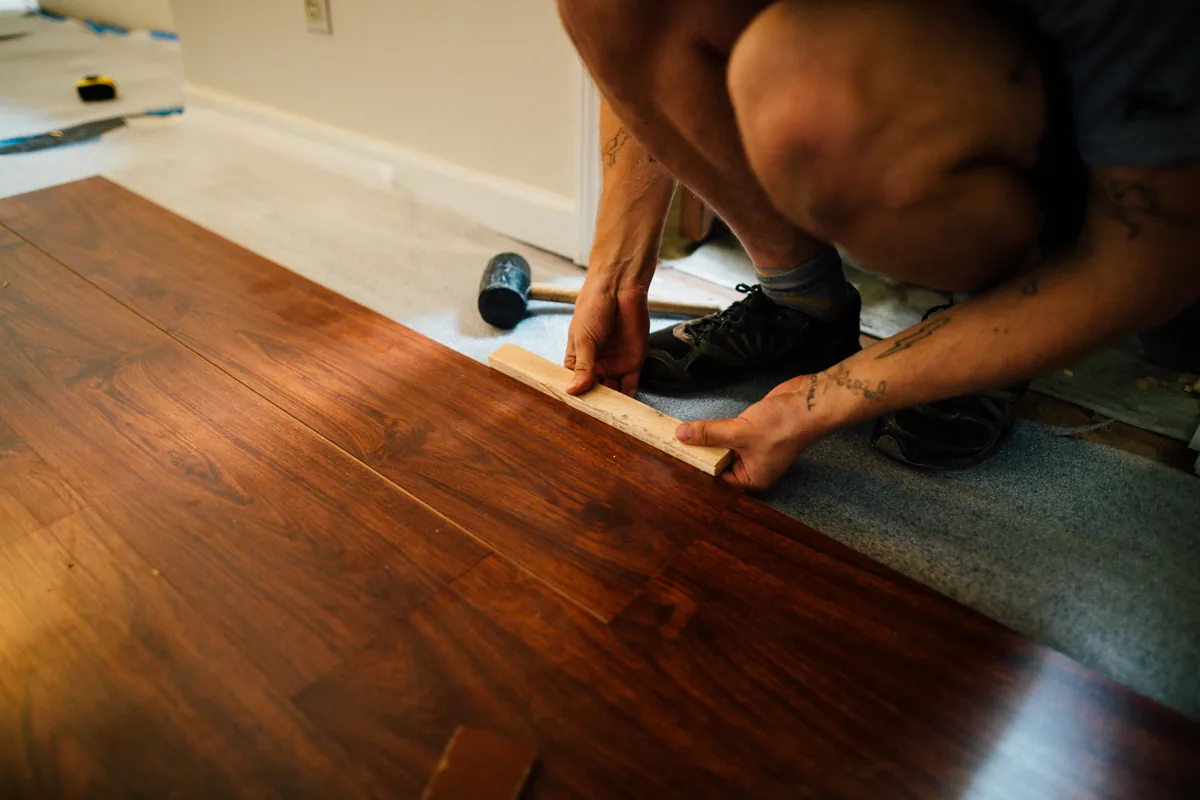
Engineered construction and finish quality drive Florida longevity. We avoid thin-veneer bargain engineered that cannot be refinished and delaminates when it meets slab moisture.
- Bruce solid & engineered hardwood
- Mullican engineered & solid wood
- Mohawk TecWood engineered
- Shaw engineered hardwood
- Bona waterborne wood finishes & sealers
- Bostik moisture-control wood adhesives
- DuChateau European oak engineered
- NWFA installation standards
Will Your Slab Rule Out Solid Wood?
This is the most important question on a Florida hardwood job, and we answer it during the estimate. If the subfloor is a slab and it reads high on moisture, solid hardwood is the wrong product no matter how much you want it — and we will tell you so rather than install a floor that cups. Engineered wood, with a moisture barrier, gives you the real-wood look the slab can actually support.
Where the subfloor is wood and the moisture environment is controlled, solid hardwood is on the table, and we prep, acclimate, and install it to NWFA standards. Either way, the moisture test comes first. Subfloor Repair Estimate
Florida Building Code and Permits for Hardwood
A like-for-like wood floor over an existing prepared subfloor usually does not require a permit, since it is a floor covering. Work that touches the subfloor structure or a moisture-control assembly can fall under the Florida Building Code, and we account for any structural or moisture-assembly requirement as part of the scope.
We document slab and wood moisture readings and install to manufacturer and NWFA standards so the floor performs.
Our 6-Step Hardwood Flooring Process
Every Pro Work hardwood project follows the same six-step framework — built around moisture control so the floor never cups in Florida humidity.
- Free in-home consultation. We measure, identify the subfloor, and recommend solid or engineered plus a Janka-rated species for your traffic. No commitment.
- Written estimate. Line-item breakdown — wood, moisture barrier or finish, install labor, and timeline. Delivered after the visit so you see exactly what you are paying for.
- Moisture testing. Slab MVER and relative-humidity probe readings, plus a wood-moisture meter check, to confirm the right product and barrier.
- Acclimation. The wood rests in the home for several days to reach equilibrium with your interior temperature and humidity before it is installed.
- Installation. Glue-down or float for engineered over slab (with vapor control), nail-down for solid over wood subfloor, with humidity-conscious expansion gaps. Site-finished floors are sanded and finished on-site.
Get Real Wood That Survives Florida
Fast reply. Slab moisture-tested. Hardwood done right, the first time.
How to Identify a Qualified Florida Hardwood Installer
Hardwood is the floor where an unqualified installer does the most damage. Moisture and acclimation are invisible steps that decide whether the floor lasts. Verify all of the following before signing anything:
- Tests slab and wood moisture before installing
- A qualified installer meters the slab's moisture-vapor emission rate and the wood's moisture content before glue-down. If moisture testing is not in the scope, walk away.
- Acclimates the wood on-site
- Wood must reach equilibrium with the home's humidity before installation. An installer who delivers and installs same-day is setting you up for cupping or gapping.
- Recommends engineered over a damp slab — honestly
- A trustworthy installer will tell you when solid hardwood is wrong for your slab and steer you to engineered, even if you asked for solid. That honesty protects your floor.
- Follows NWFA installation standards
- The National Wood Flooring Association sets the moisture, acclimation, and fastening standards. Ask whether the crew installs to NWFA guidelines.
- Written line-item estimate after a site visit
- A reputable installer measures on-site, identifies the subfloor, and itemizes wood, barrier, finish, and labor. A phone quote with no subfloor check is a red flag.
Florida Hardwood Flooring Case Study
Our Installation Standards
Every Pro Work hardwood flooring project meets these installation standards:
- Florida Building Code compliance
- Installed to FBC requirements where structural or moisture-assembly work applies, with documented slab and wood moisture readings.
- Moisture-tested installation
- Slab MVER and wood-moisture testing plus on-site acclimation and a vapor barrier where needed — the protocol that prevents Florida cupping.
Why Florida Homeowners Choose Pro Work for Hardwood
Most crews install the wood you point at. We start with the slab and the humidity, then tell you which wood will actually last. The same installer who recommends solid or engineered also meters the moisture, acclimates the wood, and details for seasonal movement — so your real-wood floor stays flat.
- Moisture-tested every job. Slab and wood metered before install — the most-skipped step in Florida hardwood.
- Honest solid-vs-engineered advice. We will tell you when solid wood is wrong for your slab.
- Free in-home estimate. On-site measurement, subfloor check, line-item breakdown, no high-pressure sales tactic.
- NWFA-aligned installation. Moisture, acclimation, and fastening to recognized wood-flooring standards.
Related Flooring Work We Coordinate
A hardwood project in Florida often pairs with prep and matching trim work. We hold it under one crew so the floor goes in dry, flat, and finished:
- Floor Refinishing — sand-and-recoat to restore existing solid or engineered wood instead of replacing it.
- Subfloor Repair — slab and wood-subfloor moisture and rot correction before new wood goes down.
- Stair Installation — matching wood treads and risers tied into the new floor.
- Baseboard Installation — trim to finish the perimeter over the expansion gap.