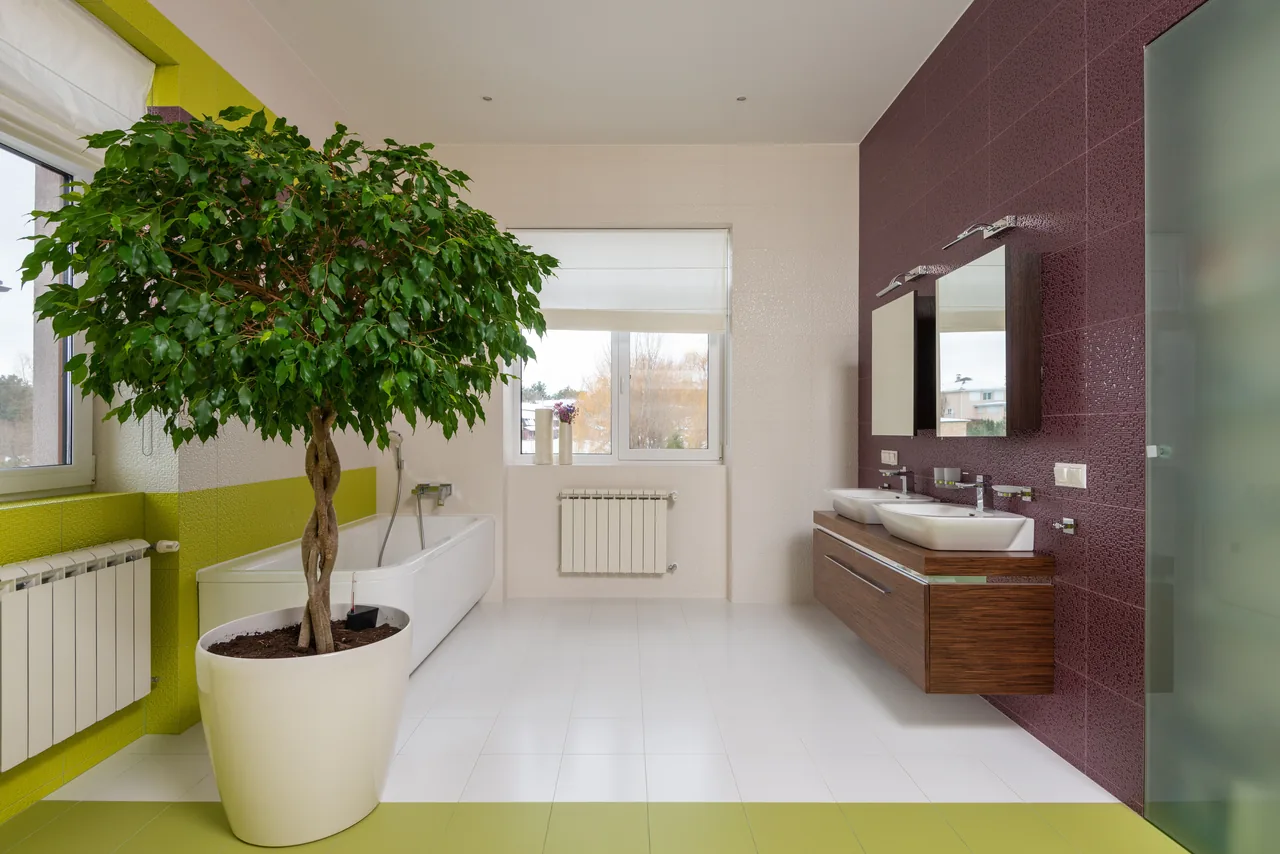
Floor tile installation in Florida means building a tile assembly — not just sticking tile to concrete. A floor tile assembly stacks the prepared slab, a bonded uncoupling (anti-fracture) membrane, a layer of polymer-modified thinset, the porcelain or ceramic tile, and grout, with soft movement joints placed where the field meets walls and large spans. On a Florida slab-on-grade that expands, contracts, and shifts seasonally, that membrane is what keeps the rigid tile from cracking — and the numbers that decide whether a floor lasts are the spec, not the price: a PEI 4–5 wear rating for traffic, a wet-slip DCOF of 0.42 or higher for safety, and full thinset coverage so no tile is hollow underfoot. We assess and prep the substrate, isolate it from movement, and set only to TCNA and ANSI
Watch
See Floor Tile Installation Done Right in Florida
What Is Floor Tile Installation, and Why Does the Assembly Win in Florida?
Floor tile installation is the process of building a multi-layer, crack-isolated tile system over a prepared subfloor — and in Florida, the layers under the tile matter more than the tile itself. Porcelain and ceramic survive the three things that punish Florida floors: humidity, tracked-in sand, and standing water. But the slab beneath them moves, so a correct assembly isolates the tile from that movement.
- Uncoupling membrane — a bonded anti-fracture layer (such as a Schluter sheet) that lets the slab move independently of the tile, preventing the seasonal cracks Florida slabs cause
- Polymer-modified thinset — the bonding mortar, troweled for full coverage so no tile rings hollow or pops loose
- PEI 4–5 porcelain or ceramic — the abrasion rating that withstands sand, furniture, and Florida foot traffic
- DCOF ≥ 0.42 wet-slip rating — required for entries, kitchens, and any area where Florida water lands
- Movement joints — soft, flexible joints at perimeters and large spans, per TCNA, that absorb expansion instead of letting it crack the grout

Which Tile and Slip Rating Does Your Room Need?
Free in-home visit, substrate and slip assessment, and a tile recommendation matched to your traffic — written estimate, no pressure.
Why an Uncoupling Membrane Matters on a Florida Slab
The slab moves; the tile does not — and the membrane is the referee. Florida slab-on-grade expands, contracts, and shifts with moisture and curing for years. Bond rigid tile directly to it and that movement transfers straight into the tile, cracking the field and breaking grout lines along the stress. An uncoupling membrane breaks that bond.
- Crack isolation — the membrane absorbs in-plane slab movement so a hairline slab crack does not telegraph into your tile
- Vapor management — many uncoupling sheets allow slab vapor to dissipate laterally instead of building pressure under the tile, a real Florida concern
- Load distribution — the membrane spreads point loads so a dropped pan or heavy furniture is less likely to crack a tile
Why Florida Floor Tile Installs Are Different
The Florida slab is the whole project. Most homes here are slab-on-grade — concrete poured on the ground — and that slab releases vapor and moves seasonally. A correct floor-tile install accounts for both, plus Florida humidity, tracked-in sand, and (in coastal South Florida) HVHZ product rules.
- Slab flatness checked and corrected with patch or self-leveler — tile needs a flatter substrate than most floors, and lippage on an unlevel slab is permanent
- Slab moisture and any active cracks evaluated before the membrane goes down — a moving crack gets isolated, a structural one gets addressed
- Wet-slip DCOF selected for entries, kitchens, and lanais where Florida water and sand make slip a safety issue
- Movement joints placed per TCNA at perimeters and across large open Florida floor plans, where thermal and slab movement concentrate
- FBC-aware detailing, with HVHZ-considered materials for coastal and South Florida projects where applicable
Brands We Install for Floor Tile
- Daltile porcelain & ceramic floor tile
- MSI porcelain & stone-look
- Florida Tile Florida-distributed porcelain
- Schluter Ditra uncoupling membrane
- Laticrete thinset, membranes & grout
- Mapei polymer-modified mortar & grout
- Custom Building Products setting materials
- Bostik epoxy & pre-mixed grout
Will Your Slab Need Leveling or Crack Repair First?
Older Florida slabs are rarely flat, and many carry hairline cracks. Both are fixable, and both are far cheaper to handle before the tile goes down than after. Self-leveling underlayment or patch corrects dips and humps to the flatness tile demands — flatter than the tolerance most other floors require — and an uncoupling membrane or crack-isolation layer manages a slab with active movement.
We bundle slab prep into the same visit and the same crew — assess, grind or patch, self-level, membrane, then set — so your project does not bounce between a prep contractor and a tile setter. Floor Leveling Estimate
Florida Building Code, HVHZ, and Permits for Floor Tile
A like-for-like floor tile install over a sound substrate usually does not require a permit, because it is a floor finish rather than a structural change. The picture changes when the job touches the slab structurally, ties into a wet-area waterproofing assembly, or involves drainage — that work can fall under the Florida Building Code, and in High-Velocity Hurricane Zone areas (Miami-Dade, Broward, and other coastal South Florida jurisdictions) certain assemblies and materials carry product-approval requirements.
We tell you during the estimate whether your specific project triggers any FBC or HVHZ requirement, and we detail the install — membrane, coverage, and movement joints — to the manufacturer's and TCNA specification.
Our 6-Step Floor Tile Process
- Free in-home consultation. We measure, check the substrate, evaluate slab flatness and any cracks, and assess wet-slip needs. You see tile, PEI, and DCOF options matched to your rooms. No commitment.
- Written estimate. Line-item breakdown — tile, membrane, slab prep, setting labor, grout, and timeline. Delivered after the visit so you see exactly what you are paying for.
- Substrate prep & leveling. Grinding, patching, or self-leveling so the slab meets tile flatness, plus crack evaluation. The step that prevents lippage and hollow tile.
- Uncoupling membrane. A bonded anti-fracture membrane over the prepped slab — the layer that isolates the tile from seasonal Florida slab movement.
- Tile setting. Full-coverage thinset, consistent joints, and TCNA movement joints at perimeters and spans. Daily cleanup, single point of contact.
Skip the Crack-in-a-Year Tile Job
Fast reply. Uncoupled and slip-rated. Floor tile done right, the first time.
How to Identify a Qualified Florida Floor Tile Installer
The tile matters less than the assembly the setter builds. Slip-rated porcelain over an unlevel, un-isolated slab will still crack and lip. Verify all of the following before signing anything:
- Uncoupling or crack-isolation membrane as standard
- A qualified Florida setter isolates floor tile from slab movement with a bonded membrane. If the plan is to bond tile straight to the slab, expect seasonal cracks.
- Slab flatness corrected before setting
- Tile needs a flatter substrate than most floors. If the setter skips leveling on a wavy slab, you get permanent lippage and hollow tile. Confirm flatness is in the scope.
- Full thinset coverage, verified
- Hollow tile pops and cracks. A reputable setter back-butters and checks coverage, especially on large-format Florida tile. Ask how coverage is verified.
- Correct wet-slip (DCOF) tile for the room
- Entries, kitchens, and wet areas need a DCOF of 0.42 or higher. A setter who ignores slip rating is creating a safety problem in a state where floors get wet.
- TCNA movement joints across the floor
- Florida's open plans and slab movement demand soft movement joints at perimeters and spans. Skipping them concentrates stress and cracks the grout.
Florida Floor Tile Case Study
Our Installation Standards
Every Pro Work floor tile project meets these installation standards:
- Florida Building Code compliance
- Installed to FBC requirements where wet-area or drainage assemblies apply, with HVHZ product-approved materials where coastal South Florida requires them.
- Crack-isolated installation
- An uncoupling or anti-fracture membrane over the slab before any tile — the step that prevents the seasonal cracking Florida slabs are known for.
Why Florida Homeowners Choose Pro Work for Floor Tile
Most setters lay the same floor everywhere. We treat the Florida slab as the project. The same installer who recommends your tile and slip rating also levels the slab, isolates it, and joints the floor for movement — so the tile you paid for actually stays whole.
- Spec'd to your room. We match PEI, DCOF, and tile size to traffic and wet areas — not a one-size big-box box.
- Crack-isolated every job. An uncoupling membrane on the slab is the single most-skipped step in Florida tile, and the one that causes the most cracks.
- Free in-home estimate. On-site measurement, substrate and slip check, line-item breakdown, no high-pressure sales tactic.
- One crew, prep to grout. Leveling, membrane, setting, and grout under one schedule — no bouncing between contractors.
Related Tile Work We Coordinate
A floor tile project in Florida often pairs with prep and adjacent tile work. We hold it all under one crew so the floor goes down flat, isolated, and finished:
- Floor Leveling — self-leveling underlayment so the slab meets the flatness tile requires before the membrane.
- Bathroom Tile — waterproofed wet-room floors and walls tied into the same tile schedule.
- Tile Repair — substrate-first repair of cracked or hollow tile elsewhere in the home.
- Grout Sealing — sealing cement grout after install to block Florida moisture and staining.