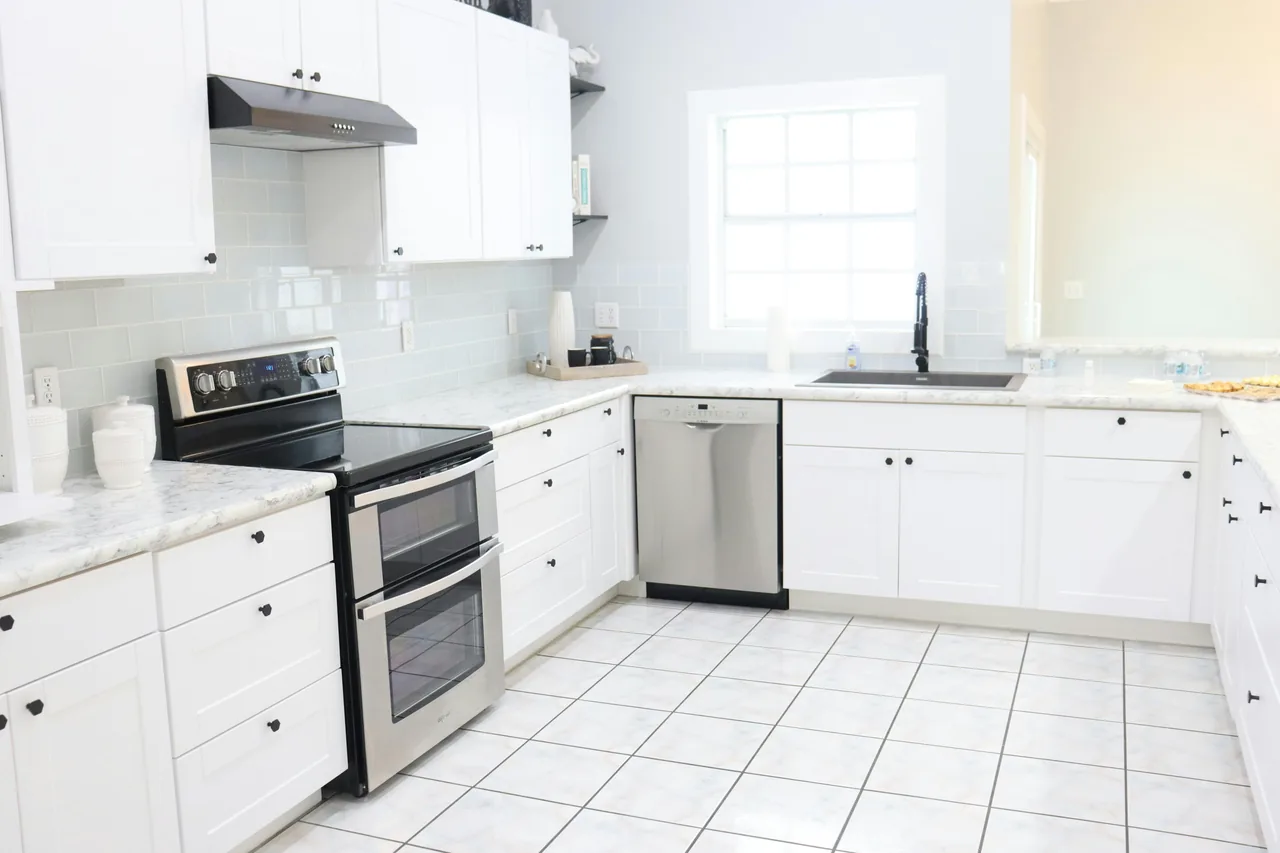
Tile flooring installation in Florida means setting porcelain or ceramic tile — a fired-clay surface that is naturally waterproof, dimensionally stable, and immune to the humidity that destroys wood floors here. Tile has been the Florida default for decades because it handles tracked-in sand, standing water, and a slab that expands in the heat. But tile fails when the setting method is wrong, not the tile: poor mortar coverage leaves hollow spots that crack, and a missing movement joint over a Florida slab pops tiles loose by the second summer. The specs that decide whether your floor lasts are the PEI abrasion rating, the wet-slip rating (DCOF), and the setting system — full-coverage thinset, an uncoupling or crack-isolation membrane where the slab needs it, and movement joints per TCNA guidance.
Watch
See Tile Flooring Installation Done Right in Florida
Porcelain vs. Ceramic: Which Tile for a Florida Floor?
Both are fired clay and both are waterproof, but porcelain is denser, harder, and the better pick for most Florida floors. Porcelain is fired hotter and absorbs almost no water, which makes it tougher under traffic and freeze-thaw (relevant for North Florida and outdoor lanais). Ceramic is softer and easier on the budget, a fine choice for lower-traffic indoor rooms.
- Porcelain — water absorption under 0.5%, harder surface, best for high-traffic floors, entries, and any space that sees water or sun
- Ceramic — slightly softer and more affordable, well suited to bedrooms and lower-traffic indoor areas
- Large-format tile (24" and up) — fewer grout lines and a modern look, but demands a dead-flat slab and a medium-bed mortar to set without lippage
- Wood-look plank tile — porcelain printed as wood planks; the warmth of wood with the waterproof toughness of tile, ideal for Florida
- Through-body porcelain — color runs through the tile, so chips do not show; a smart choice for rentals and heavy traffic
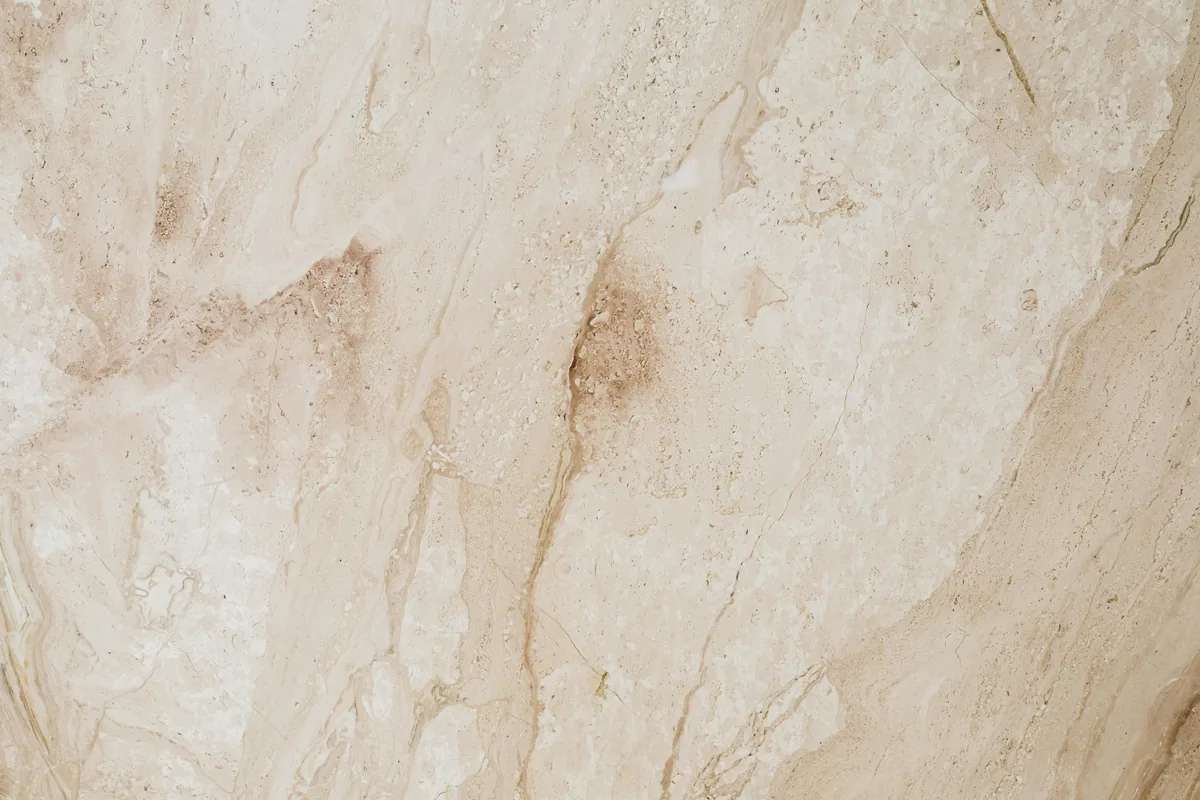
Which Tile and Slip Rating Fits Your Room?
Free in-home visit with PEI and DCOF guidance matched to your traffic and wet areas — written estimate, no pressure.
PEI and DCOF: The Two Ratings That Matter on a Florida Floor
The PEI rating tells you how much traffic a tile survives; the DCOF rating tells you whether it is safe when wet. Florida floors see sand and water, so both numbers matter — and the right glossy tile in a wet entry is a slip hazard no matter how good it looks.
- PEI 4 to 5 — the floor range; PEI 4 handles busy household traffic, PEI 5 is rated for commercial and the heaviest residential use
- DCOF ≥ 0.42 — the wet-slip threshold for level interior floors expected to get wet; required thinking for bathrooms, kitchens, entries, and pool-adjacent areas
- Texture for wet zones — matte and textured finishes grip better wet than polished; we steer slip-prone areas away from high-gloss
- Rectified edges — precision-cut edges allow tight grout lines on large-format layouts
Why Florida Tile Installs Are Different
A Florida slab moves, and tile is rigid — so the install has to absorb that movement or the tile cracks. Most homes here are slab-on-grade, and concrete expands, contracts, and sometimes develops hairline cracks. Set tile straight onto a moving, cracking slab with no isolation and the crack telegraphs right up through the tile.
- Movement joints placed per TCNA EJ171 — soft joints at the perimeter and across large fields so the slab can move without cracking tile
- Crack-isolation or uncoupling membrane over slabs with hairline cracks or movement, so existing cracks do not reflect through the new floor
- Slab moisture awareness — tile tolerates slab vapor well, but the right membrane and mortar still matter on damp slabs
- Full mortar coverage — at least 80% for dry areas and 95% for wet and exterior, back-buttering large tile so there are no hollow voids to crack
- FBC-aware detailing, with HVHZ considerations for coastal and South Florida projects where applicable

Tile and Setting Materials We Install
The setting system matters as much as the tile. We install porcelain and ceramic from manufacturers with stated PEI and DCOF ratings, set with engineered thinset, uncoupling membranes, and movement-joint profiles — a system designed to perform on a Florida slab, not a bag of generic mortar.
- Daltile porcelain & ceramic floor tile
- MSI porcelain & large-format
- Florida Tile through-body porcelain
- Marazzi wood-look plank tile
- Schluter DITRA uncoupling & crack isolation
- Mapei / Custom engineered thinset mortar
- Schluter movement-joint & edge profiles
- Laticrete grout & waterproofing
Will Your Slab Need Leveling or a Membrane First?
Large-format tile is unforgiving of an out-of-flat slab — high spots cause lippage (one tile edge sitting proud of the next), which you feel underfoot and see in raking light. And a slab with movement or hairline cracks needs isolation before tile goes down. Both are routine to handle, and far cheaper before the floor is set than after a crack telegraphs through.
We assess the slab during the estimate — flatness, cracks, and moisture — and bundle any leveling or membrane work into the same crew and schedule. Floor Leveling Estimate
Florida Building Code, HVHZ, and Permits for Tile
A like-for-like tile floor over a prepared interior slab usually does not require a permit, since it is a floor covering. Work that touches the structure, a wet-room waterproofing assembly, or an exterior/lanai application can fall under the Florida Building Code, and in High-Velocity Hurricane Zone areas (Miami-Dade, Broward, and other coastal South Florida jurisdictions) certain exterior and balcony assemblies carry product-approval requirements.
We confirm during the estimate whether your project triggers any FBC or HVHZ requirement, and we set the floor — coverage, movement joints, membrane, and grout — to TCNA standards so it performs.
Our 6-Step Tile Flooring Process
Every Pro Work tile project follows the same six-step framework — built for a flat, crack-free, slip-safe floor on a Florida slab.
- Free in-home consultation. We measure, assess the slab for flatness and cracks, and recommend tile type, PEI, and slip rating for each room. No commitment.
- Written estimate. Line-item breakdown — tile, membrane, setting materials, labor, and timeline. Delivered after the visit so you see exactly what you are paying for.
- Slab prep. Grinding or self-leveling for flatness, then a crack-isolation or uncoupling membrane where the slab needs it.
- Layout. Dry layout and reference lines so cuts land cleanly, grout lines stay straight, and movement joints fall in the right places.
- Setting & grouting. Full-coverage thinset, back-buttered on large format, with movement joints per TCNA. Grout and seal after cure. Daily cleanup, single point of contact.
Skip the Hollow-Tile Callback
Fast reply. Set to TCNA standards. Tile done right, the first time.
How to Identify a Qualified Florida Tile Installer
Anyone can spread mortar. A floor that survives a Florida slab takes coverage, isolation, and movement joints done right. Verify all of the following before signing anything:
- Sets to TCNA standards
- A qualified installer follows TCNA methods — full mortar coverage, movement joints per EJ171, and the correct membrane. Ask how they handle slab movement; vague answers are a red flag.
- Checks slab flatness before quoting large format
- Large-format tile needs a dead-flat slab. An installer who skips the flatness check will leave lippage you feel and see in raking light.
- Specifies PEI and DCOF for each room
- The right floor tile is PEI 4 to 5, and wet areas need a DCOF of 0.42 or higher. An installer who lets you put glossy, low-slip tile in a wet entry is not protecting you.
- Uses crack isolation over moving slabs
- Florida slabs crack. Without an uncoupling or crack-isolation membrane, the crack reflects up through the tile. Confirm a membrane is in scope where the slab needs it.
- Written line-item estimate after a site visit
- A reputable installer measures on-site, inspects the slab, and itemizes tile, membrane, setting materials, and labor. A phone quote with no slab inspection is a red flag.
Florida Tile Flooring Case Study
Our Installation Standards
Every Pro Work tile flooring project meets these installation standards:
- Florida Building Code compliance
- Set to FBC requirements with HVHZ product-approved assemblies where coastal South Florida exterior or balcony work requires them.
- TCNA-standard installation
- Full mortar coverage, movement joints per TCNA EJ171, and crack isolation over moving slabs — the standards that prevent the cracking and hollow tile Florida slabs cause.
Why Florida Homeowners Choose Pro Work for Tile Flooring
Most crews set tile the same way everywhere. We treat the Florida slab as the project. The same installer who recommends your tile and slip rating also checks the slab, isolates movement, and sets for full coverage — so the floor stays flat, quiet, and crack-free.
- Set to TCNA standards. Full coverage, movement joints, crack isolation — the methods that survive a moving Florida slab.
- Slip rating specified for wet areas. We keep low-slip glossy tile out of entries, kitchens, and baths.
- Free in-home estimate. On-site measurement, slab inspection, line-item breakdown, no high-pressure sales tactic.
- One crew, prep to grout. Leveling, membrane, setting, and grouting under one schedule — no bouncing between contractors.
Related Flooring Work We Coordinate
A tile project in Florida often pairs with prep and waterproofing. We hold it under one crew so the floor goes down flat, isolated, and finished:
- Floor Leveling — self-leveling underlayment so large-format tile sets without lippage.
- Bathroom Flooring — slip-rated tile tied into shower and floor waterproofing for wet rooms.
- Subfloor Repair — slab crack and moisture correction before tile is set.
- Baseboard Installation — moisture-resistant baseboard to finish the tiled perimeter.