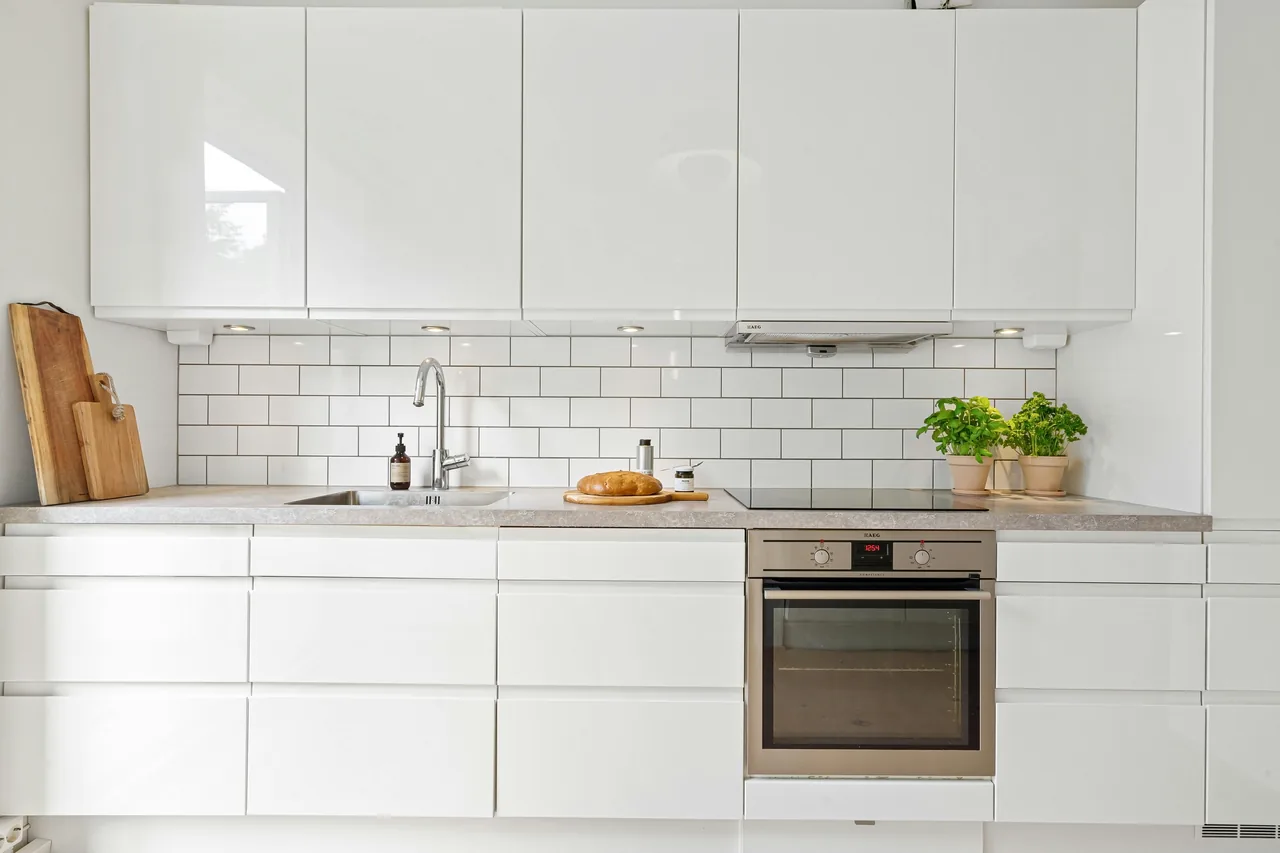
Kitchen backsplash installation in Florida sets a tiled, glass, or stone surface on the wall between the countertop and the upper cabinets — the zone that takes the splash from the sink, the grease from the cooktop, and the steam from cooking. A backsplash is a protective and decorative wall surface, and in a humid Florida kitchen its real job is keeping moisture out of the wall. The detail that decides whether it succeeds is not the tile — it is the grout and the substrate. Porous, unsealed grout absorbs splash and steam and goes black with mildew within a season; the wrong wall surface behind the tile lets moisture sit. We set the tile on the correct substrate, seal the grout, and detail the splash so the wall stays dry — then deliver a free written estimate after an in-home visit.
Watch
See Kitchen Backsplash Installation Done Right in Florida
What a Backsplash Installation Includes in Florida
A backsplash install is precise tile work over a properly prepared wall. Every layer matters because the surface has to shed water and resist mildew for years behind the busiest part of the kitchen.
- Substrate prep — the wall behind the tile cleaned, repaired, and prepared so the tile bonds flat with no hollow spots
- Tile, glass, or stone — ceramic, porcelain, glass mosaic, or natural stone set in the pattern and layout you choose
- Correct thinset — the right adhesive for the material, especially for glass and natural stone, so it bonds and does not shadow through
- Sealed grout — grout chosen and sealed so it resists the splash, grease, and humidity that mildew a Florida kitchen
- Edge and transition detailing — clean finished edges, outlet cutouts, and the termination at cabinets, counters, and windows
- Caulk at movement joints — flexible sealant where the backsplash meets the counter and where walls change plane, so the joint does not crack
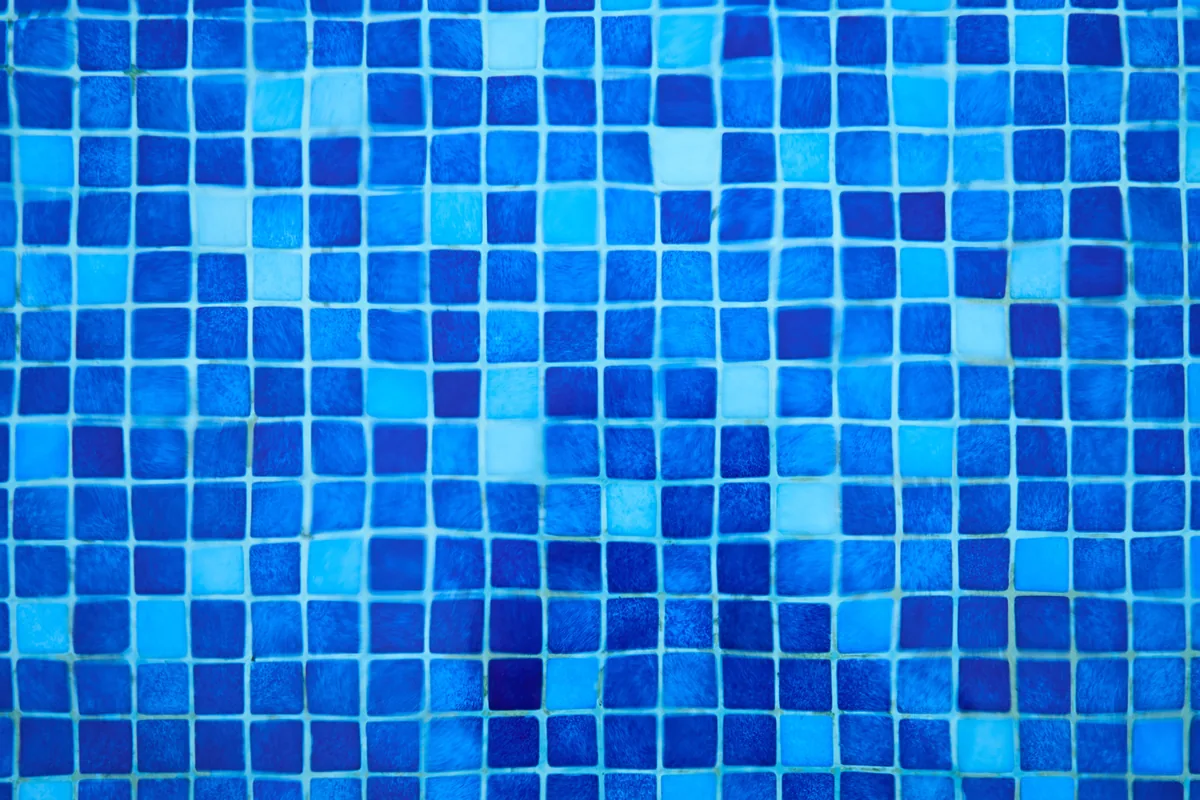
Which Backsplash Survives a Florida Kitchen?
Free in-home visit, a material and substrate review, and a sealed, mildew-resistant detail — written estimate, no pressure.
Grout and Sealing: The Detail That Beats Mildew
In a Florida kitchen, the grout is where a backsplash succeeds or fails. Grout is the filler between tiles, and standard cement grout is porous — it soaks up splash, grease, and steam, and in sustained humidity it grows the dark mildew you see in the grout lines behind a stove. Sealing the grout, or choosing a less-porous grout, is what keeps the joints clean and the wall dry.
- Sealed cement grout — a penetrating sealer applied after cure so the porous grout repels moisture instead of absorbing it
- Epoxy or high-performance grout — a non-porous option that resists staining and mildew without a separate sealer, ideal behind the cooktop
- Tight, consistent joints — even grout lines that are easier to clean and give moisture fewer places to sit
- Maintenance you can do — we tell you how and when to refresh the seal so the backsplash stays mildew-free long term
We recommend the grout and sealing approach on the in-home visit based on where the backsplash sits — the wall behind a cooktop or sink gets the most moisture-resistant detail.
Why Florida Backsplash Installs Are Different
Florida humidity and salt air change how a backsplash has to be built and finished. The same tile that lasts in a dry climate can mildew at the joints here if the grout is not sealed and the substrate is not right. Coastal kitchens add salt exposure on top.
- Sealed or non-porous grout is not optional in a humid Florida kitchen — it is the difference between clean joints and mildew
- A sound, moisture-appropriate substrate behind the tile so steam and splash cannot soak into the wall
- Behind a cooktop, the most heat- and grease-exposed zone gets the most durable, cleanable detail
- Coastal kitchens near salt air benefit from materials and finishes that resist corrosion and staining
- Where the backsplash is part of a wet wall, the substrate and waterproofing tie into the counter and any plumbing penetrations
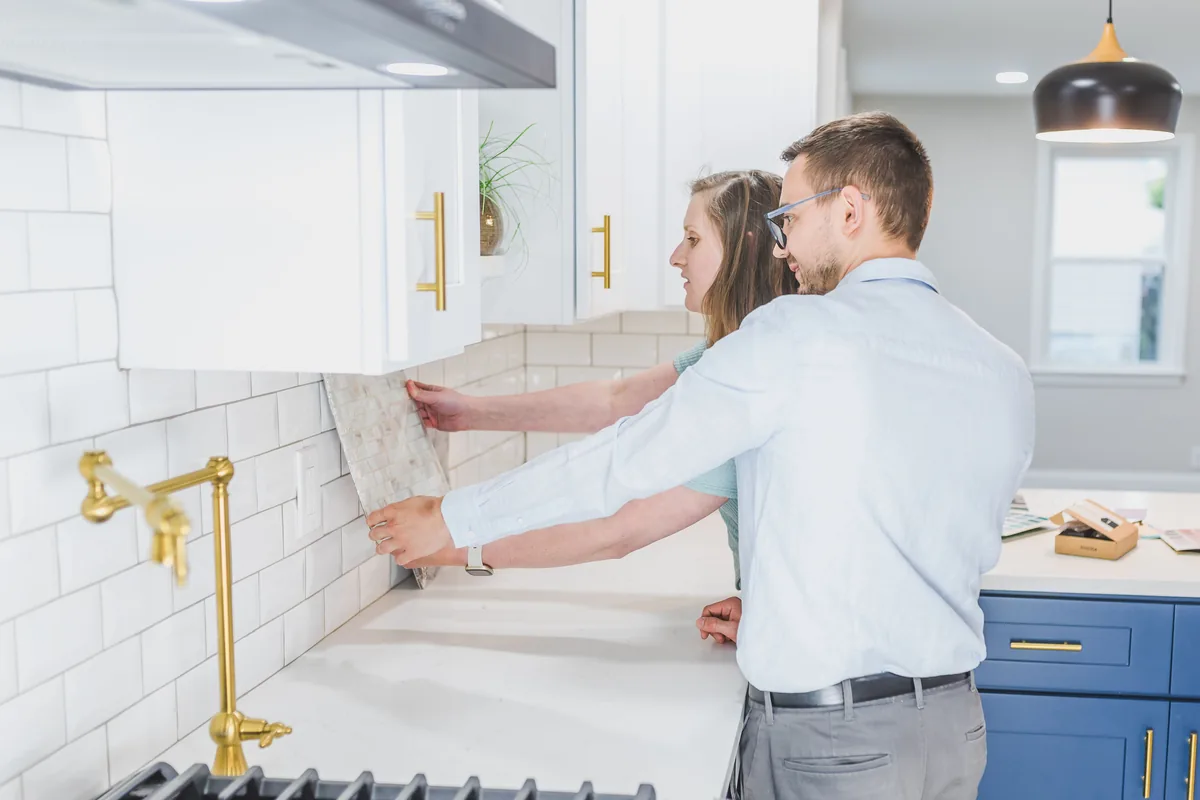
Materials We Install for Backsplashes
The grout, sealer, and thinset matter as much as the tile when a backsplash has to survive Florida humidity.
- Daltile / MSI ceramic & porcelain tile
- Florida Tile / Emser glass & mosaic
- Mapei / Laticrete thinset & epoxy grout
- Custom Building Products sealers & grout
- Schluter edge profiles & trim
- Bostik moisture-resistant adhesives
- Cambria / MSI full-height slab splashes
- GE / DAP color-matched flexible caulk
Will Your Backsplash Need Wall Prep First?
A backsplash is only as good as the wall behind it. If the existing wall has damage, old adhesive, or an uneven surface, it has to be repaired and prepared before any tile goes up — otherwise the tile bonds poorly, telegraphs unevenness, or leaves hollow spots that crack. Where the backsplash sits on a wet wall or replaces a damaged one, the substrate may need a moisture-appropriate board.
We assess the wall on the in-home visit, include any prep in the scope, and prepare the surface so the tile bonds flat and lasts. Tile Installation →
Florida Building Code and Backsplash Work
A backsplash is a finish, so it usually does not require a permit on its own. Tiling the wall between the counter and the cabinets is cosmetic work under most circumstances. The exception is when the backsplash is part of a larger project that moves outlets, relocates plumbing, or rebuilds a wall — that adjacent work can fall under the Florida Building Code and be permitted.
We tell you on the estimate whether anything tied to your backsplash triggers a permit, and where outlets need to be relocated for the new tile, we coordinate the licensed electrical work the code requires.
Our 6-Step Backsplash Process
Every Pro Work backsplash install follows the same six-step framework — built for a flat, sealed, mildew-resistant result that lasts in Florida.
- Free in-home consultation. We measure the splash area, assess the wall, and review tile, layout, and grout options. No commitment.
- Written estimate. Line-item breakdown — material, wall prep, tile setting, grout and sealing, edge detailing, and timeline — delivered after the visit.
- Wall prep. The wall is cleaned, repaired, and prepared, with a moisture-appropriate substrate where needed, so the tile bonds flat.
- Tile setting. Tile, glass, or stone set in your layout with the correct thinset, even joints, clean outlet cutouts, and detailed edges.
- Grout & seal. Grout applied, then sealed — or a non-porous grout used behind the cooktop — and movement joints caulked with flexible sealant.
A Backsplash That Stays Clean
Fast reply. Right substrate. Sealed grout. Detailed edges. Done right, the first time.
How to Identify a Qualified Florida Backsplash Installer
Backsplash work looks easy and is full of places to cut corners. The substrate and grout separate a backsplash that lasts from one that mildews. Verify all of the following before signing anything:
- Sealed or non-porous grout in the scope
- A qualified Florida installer seals the grout or uses a non-porous grout, especially behind the cooktop. If sealing is not in the scope, the joints will mildew in a humid kitchen.
- Proper wall prep and substrate
- The tile is only as sound as the wall behind it. Confirm the installer repairs and prepares the substrate so the tile bonds flat with no hollow spots.
- Correct thinset for the material
- Glass and natural stone need the right adhesive or they bond poorly or shadow through. A reputable installer matches the thinset to the tile.
- Clean edges and outlet cutouts
- Finished edges, accurate outlet cutouts, and tidy terminations at cabinets and counters are the mark of careful work. Ask to see prior backsplash detail.
- Flexible caulk at movement joints
- The joint where the backsplash meets the counter should be flexible caulk, not grout, so it does not crack. Confirm the installer details movement joints correctly.
Florida Kitchen Backsplash Case Study
Our Installation Standards
Every Pro Work backsplash install meets these installation standards:
- Florida Building Code compliance
- Where the backsplash ties into outlet or plumbing work, that adjacent work is built to FBC requirements with the licensed trades the code requires.
- Sealed & mildew-resistant detailing
- Sealed or non-porous grout, a sound substrate, and flexible movement joints — the details that keep a Florida backsplash clean and the wall behind it dry.
Why Florida Homeowners Choose Pro Work for Backsplashes
Most backsplash failures in Florida come down to grout and prep — the parts you do not see. We treat those as the job. The same crew that helps you pick the tile preps the wall, sets it flat, and seals the grout so it survives a humid kitchen.
- Sealed against mildew. Sealed or non-porous grout, with the most moisture-resistant detail behind the cooktop.
- Substrate done right. The wall prepped and repaired so the tile bonds flat with no hollow spots.
- Correct adhesives. Thinset matched to glass, stone, or ceramic so it bonds and does not shadow.
- Clean detailing. Finished edges, accurate cutouts, and flexible movement joints that do not crack.
- Free in-home estimate. On-site measurement, material and substrate review, line-item breakdown, no high-pressure sales tactic.
Related Kitchen Work We Coordinate
A backsplash ties into counters, cabinets, and tile work. Each has its own detailed page, and we build them all under one project and one schedule:
- Kitchen Countertop Installation — the counter the backsplash terminates on, templated and installed first.
- Tile Installation — coordinating kitchen floor and wall tile with the backsplash for a unified look.
- Custom Cabinet Installation — the upper cabinets the backsplash meets, set before the tile goes up.
- Full Kitchen Remodeling — the backsplash as one sequenced step in a complete kitchen rebuild.