Watch
LVP vs Tile for Florida Homes: Which Holds Up Better?
The Short Verdict
Both luxury vinyl plank and porcelain tile are excellent, waterproof Florida floors when specified correctly — so anyone telling you one is universally "better" is skipping the part that matters. The honest answer is that they win in different rooms. Porcelain tile is harder, more heat-stable, and lasts the longest; LVP is warmer, quieter, faster to install, and more forgiving of a slab that is not perfectly flat.
If you want one floor through the whole house and you prioritize longevity and resale, porcelain is the safer long-term bet. If you want comfort underfoot, a quieter room, and a faster install with less demolition, rigid-core LVP is hard to beat.
Head-to-Head Specs
The two floors are measured by different standards, which is exactly why shoppers get confused. Here is the translation.
| Attribute | Luxury Vinyl Plank (rigid core) | Porcelain Tile |
|---|---|---|
| Waterproof | Yes — limestone/PVC core absorbs no water | Yes — water absorption ≤ 0.5% (ANSI A137.1) |
| Durability spec | Wear layer 12-20 mil | PEI wear grade 4-5 for floors |
| Hardness underfoot | Softer, warmer, quieter | Hard, cool, reflects sound |
| Heat stability | Expands with temperature; SPC more stable than WPC | Dimensionally stable |
| Slab flatness tolerance | More forgiving of minor variation | Demands flat slab; lippage shows |
| Repair | Replace a plank | Replace a tile; grout matched |
| Typical lifespan | Long, with eventual wear-layer wear | Longest of common floors |
Heat and the Slab
This is the most Florida-specific part of the decision. Vinyl expands and contracts with temperature. In a room with west-facing sliders that bake in the afternoon, a cheaper WPC plank can develop gaps or peaking if it was installed without the right expansion gap, or if direct sun pushes surface temperatures past the product's rated maximum. SPC's denser stone-composite core is more stable in heat, which is why we default to SPC in sun-exposed Florida rooms.
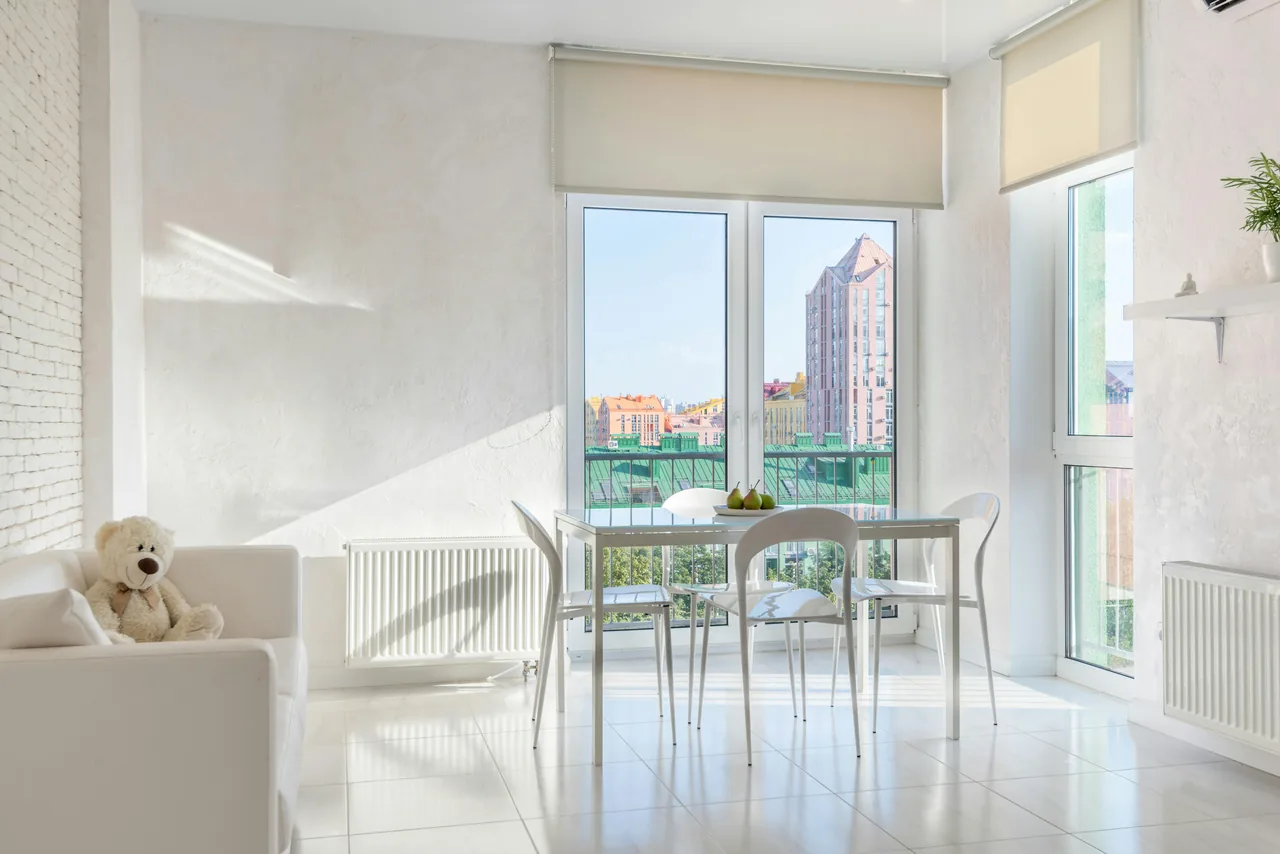
Porcelain tile does not care about heat — it is dimensionally stable. What porcelain does care about is slab flatness. Large-format porcelain (the popular 24-inch and larger planks and squares) demands a slab within tight flatness tolerance, because any deviation shows up as lippage — one tile edge sitting proud of its neighbor. Both floors depend on a sound slab; tile is simply less forgiving of a bad one. See our slab prep guide for the flatness numbers.
Install Time and Disruption
For homeowners living in the house during the work, this matters as much as the spec.
- LVP install
- Floating rigid-core planks click together over a prepped slab and are typically walkable the same day. A single room can be done in a day; a whole floor in a few days. Minimal dust, no curing wait.
- Tile install
- Porcelain is set in thinset, then grouted after the mortar cures, then often sealed. Plan on staying off fresh tile while the thinset and grout cure — usually a couple of days per area before full use. More dust during demolition and cutting.
Neither timeline is "better" — but if you need a kitchen back in service fast, LVP’s same-day walkability is a real advantage. If you are remodeling a bathroom down to the studs anyway, the tile curing window folds into the larger schedule.
Which Wins, By Room
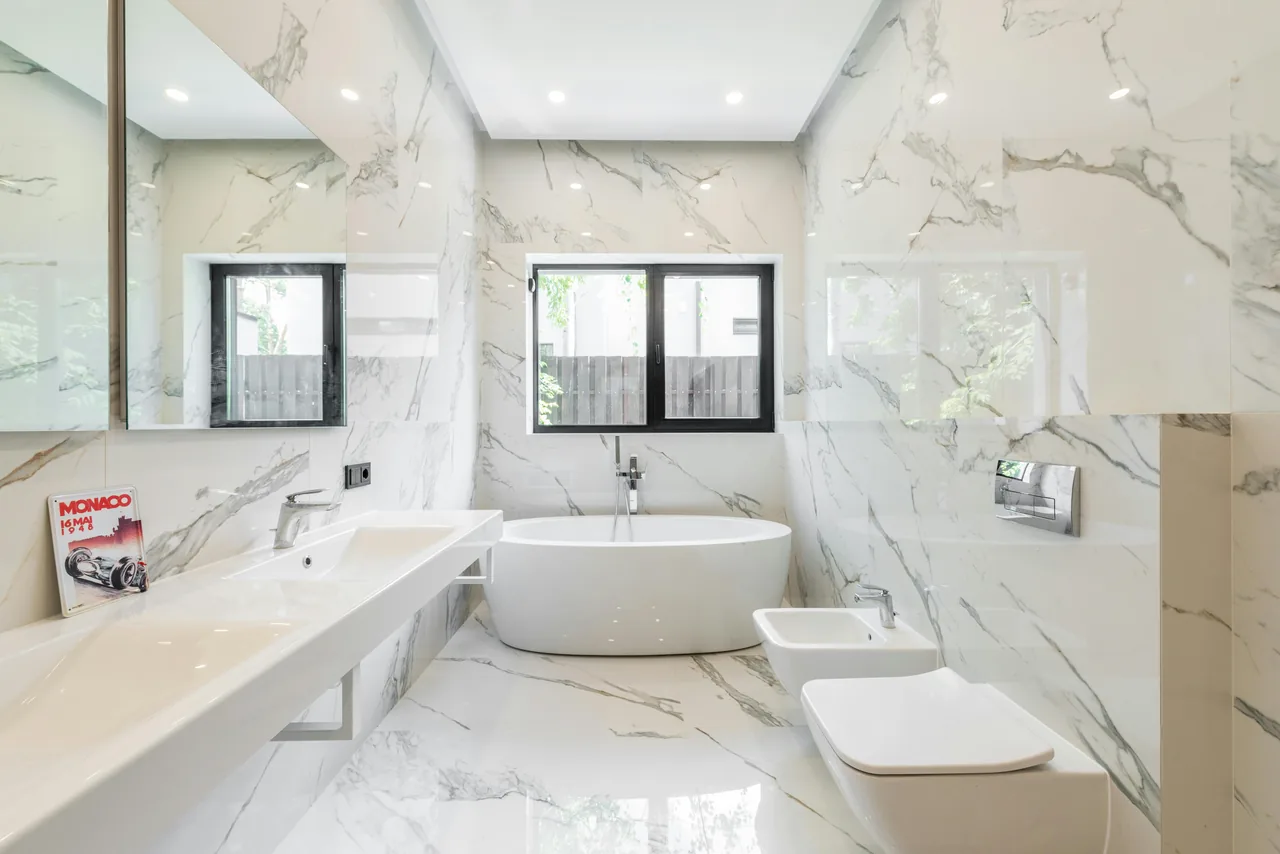
- Showers and wet floors. Tile, decisively. Porcelain over a bonded membrane is the only one of the two we recommend inside a shower. See shower tile.
- Kitchens. A toss-up. Porcelain for maximum durability and resale; SPC vinyl for comfort and a faster install. Both shrug off dishwasher leaks.
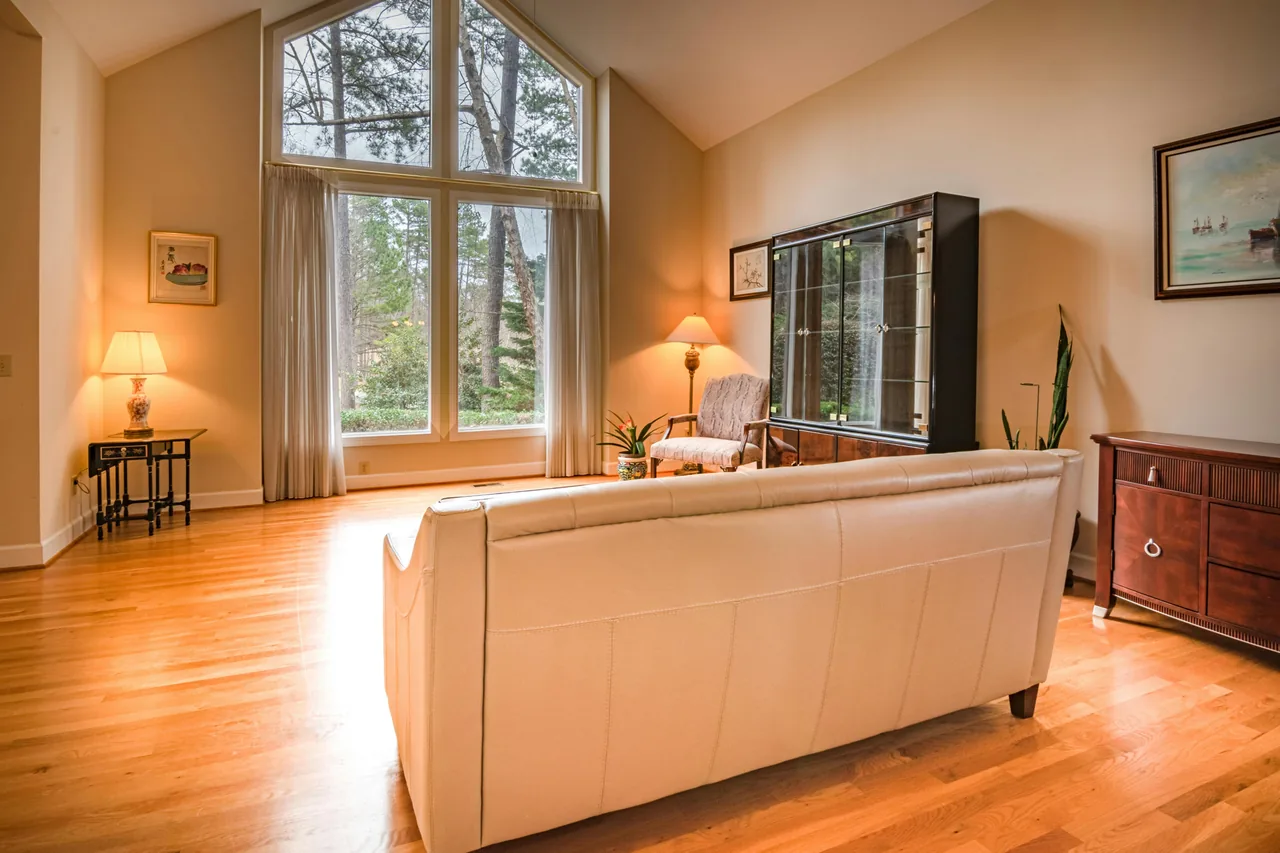
- Living and bedrooms. LVP often wins on comfort and quiet, especially with a 20-mil wear layer for pets. Tile wins if you want one continuous hard surface throughout.
- Lanai and entry. Porcelain, for heat stability and slip-rated options near the pool.
We install both across Florida and will tell you honestly which fits your room and slab. Compare the LVP service and the tile flooring service, or start at the flooring hub.
Frequently Asked Questions
Is LVP or tile better for a Florida home?
Does luxury vinyl plank expand in Florida heat?
Is the wear-layer mil number the same as PEI?
Which installs faster, LVP or tile?
Is tile or vinyl better for resale value in Florida?
Can I put LVP in a Florida bathroom instead of tile?
References & Sources
- Tile Council of North America (TCNA) Handbook. https://www.tcnatile.com/
- ANSI A137.1 — American National Standard Specifications for Ceramic Tile. https://www.tcnatile.com/products-and-services/ansi-standards/
- ASTM F3261 — Rigid Polymeric Core Resilient Flooring. https://www.astm.org/f3261-17.html
- Florida Building Code. https://floridabuilding.org/