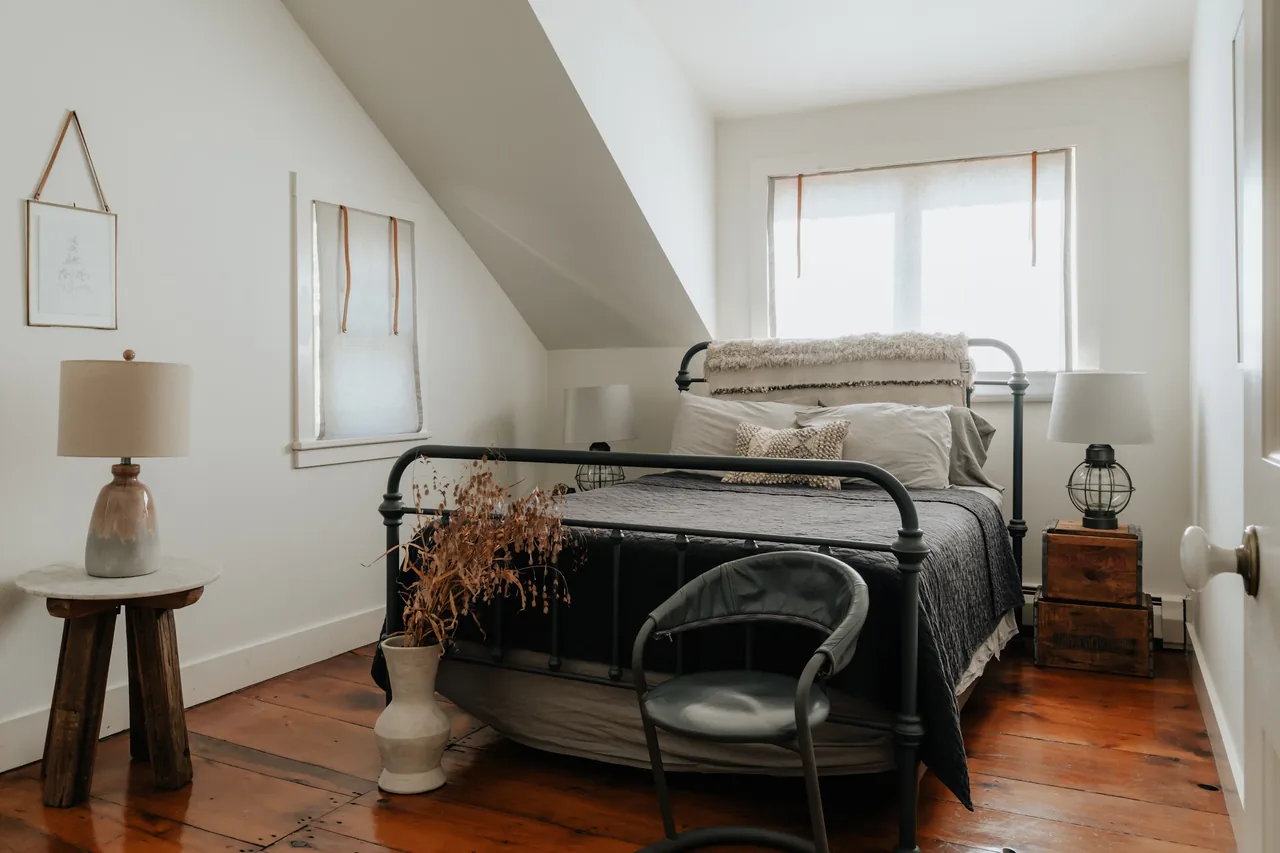
Attic remodeling in Florida is a heat problem before it is a space problem. An unconditioned Florida attic can sit far hotter than the rooms below on a summer afternoon, so the decision that determines whether a finished attic is a comfortable room or an oven is how you handle heat, insulation, and ventilation — not the floor plan. Bringing the attic into the home's conditioned envelope usually means insulating at the roof deck rather than the floor, adding a radiant barrier to reject solar heat, and getting the ventilation strategy right so the space neither bakes nor traps moisture. On top of that, attics are structural: any change that affects the roof framing, a new dormer, or an opening for a staircase has to meet the Florida Building Code, and in coastal South Florida the HVHZ wind requirements govern that structural work. We design the room around the climate and the code, then finish it.
Watch
See Attic Remodeling Done Right in Florida
Attic Remodeling in Atlantic Beach: What Matters Locally
The right attic-remodeling for Atlantic Beach depends on local building code and climate. Key factors for Duval County:
For waterfront and near-coast Atlantic Beach homes, we prioritize dimensional stability and moisture resistance.
As a coastal Duval County community, Atlantic Beach sees salt air and high humidity all year, so moisture control and material selection lead every attic-remodeling decision.
Not every product suits Northeast Florida. For attic-remodeling in Atlantic Beach, here's what we recommend and why:
What Attic Remodeling Covers, and Why Heat Comes First in Florida
Attic remodeling converts an unfinished attic into conditioned living space — insulation and air sealing, framing and access, electrical, drywall, flooring, and finishes. In Florida, the heat and ventilation strategy comes first because a finished attic that bakes is an unusable attic. Here is what a complete attic conversion involves.
- Heat & insulation strategy — moving the insulation to the roof deck and bringing the attic into the conditioned envelope so it does not run hot
- Radiant barrier — a reflective layer to reject the solar heat that pours through a Florida roof
- Ventilation — the right approach so the assembly neither overheats nor traps humidity once it is finished
- Structure & access — framing for floor loads, a code-compliant staircase, and any dormer, detailed to the Florida Building Code and HVHZ wind rules where they apply
- Electrical, drywall & finish — wiring, drywall, flooring, and trim to turn the attic into a finished room
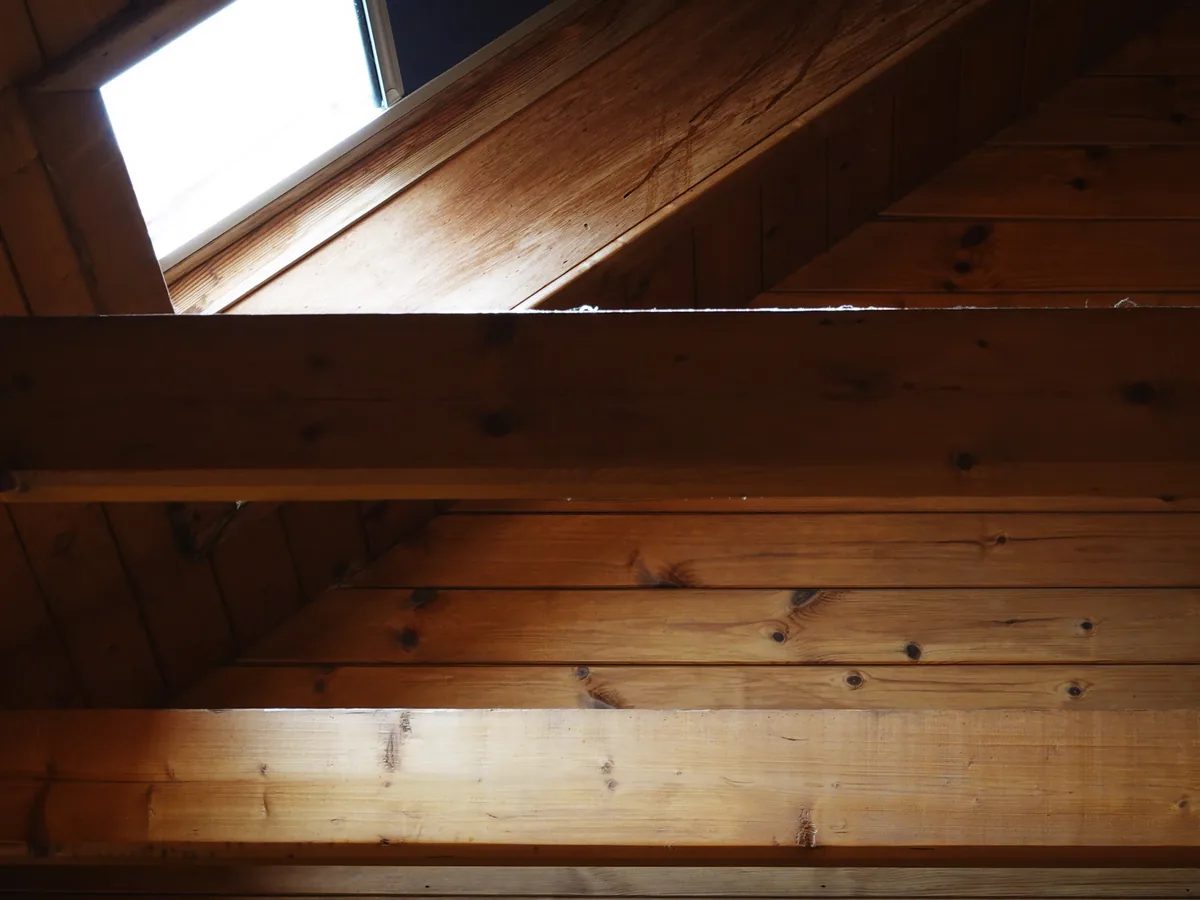
Can Your Attic Become a Comfortable Room?
Free in-home visit, a heat and structure assessment, and a recommendation matched to your roof and framing — written estimate, no pressure.
Heat, Insulation, and Ventilation: The Florida Attic Decision
The decision that makes or breaks a Florida attic conversion is how the assembly handles heat. A Florida roof absorbs enormous solar load, and an attic insulated the old way — batts on the floor, room left outside the conditioned envelope — turns any finished space above into an oven and runs the AC ragged. Designing for the heat is the whole game.
- Insulate at the roof deck — typically spray foam at the underside of the roof so the finished attic sits inside the conditioned envelope rather than below a superheated cavity
- Radiant barrier — a reflective layer that rejects a large share of the solar heat radiating through the roof, a high-impact move in the Florida sun
- Ventilation matched to the assembly — a vented or unvented strategy chosen so the finished space stays comfortable and the roof assembly does not trap moisture
- Air sealing — sealing the envelope so conditioned air stays in and hot, humid attic air stays out
- HVAC reach — confirming the conditioned air can actually serve the new room, coordinated with licensed trades
Why Florida Attic Remodeling Is Different
Extreme roof heat and hurricane wind rules shape every Florida attic. A contractor used to a milder climate simply insulates the attic floor and stops there. In Florida, the priority flips: the job is rejecting and managing heat gain, bringing the space into the conditioned envelope, and detailing any structural change for hurricane wind loads — because the roof is both the heat source and the part the storm hits hardest.
- Insulation moved to the roof deck and a radiant barrier added so the finished attic does not overheat in the Florida sun
- Ventilation strategy chosen for the climate so the assembly stays comfortable and does not trap humidity
- Structural changes — floor reinforcement, a staircase opening, or a dormer — engineered and detailed to the Florida Building Code
- HVHZ wind requirements applied to any roof or structural work in Miami-Dade, Broward, and other coastal South Florida jurisdictions
- Egress, ceiling height, and electrical handled so the finished attic is a code-compliant habitable room, with permitting where required
Structure, Egress, and HVHZ Wind Code for a Florida Attic
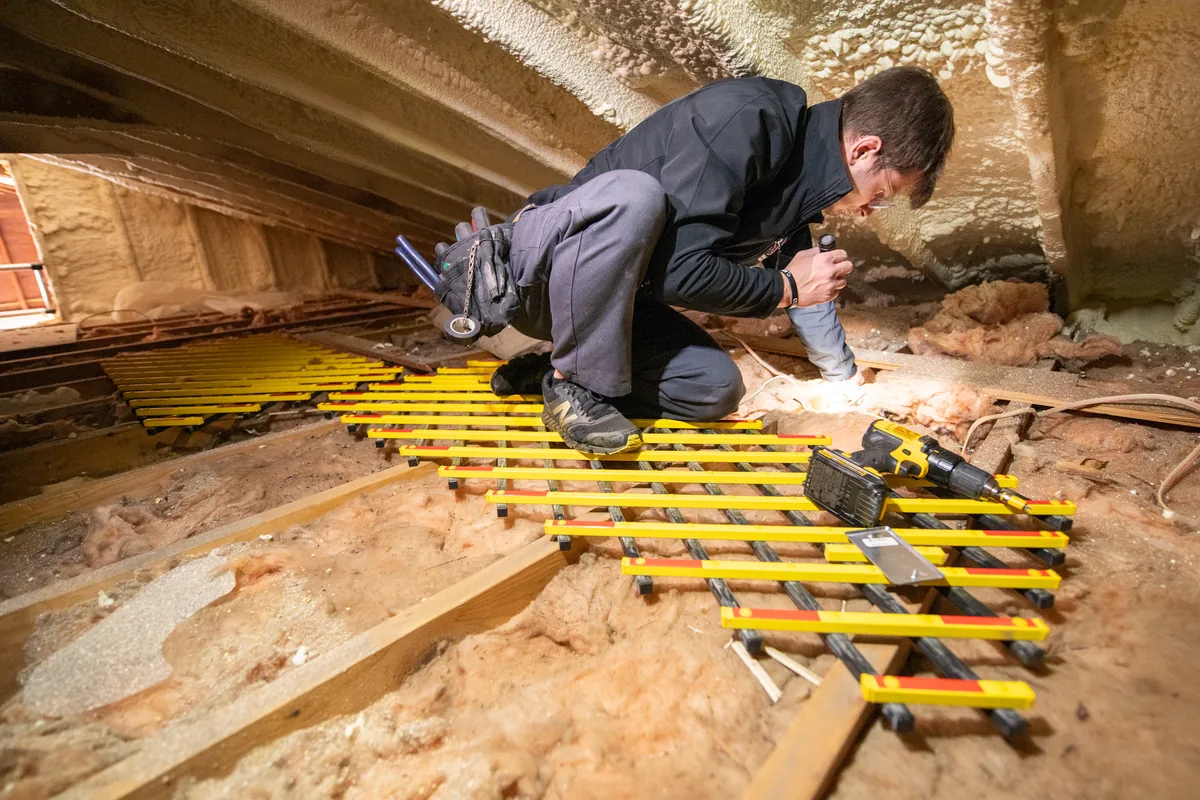
An attic conversion is structural work, which puts it squarely under the Florida Building Code. Attic floors are often framed for storage, not living loads, so they may need reinforcement; a usable room needs a code-compliant staircase rather than a pull-down ladder; and adding a dormer for headroom or light touches the roof structure. Any of that structural and roof work falls under the FBC, and in coastal South Florida the High-Velocity Hurricane Zone adds wind-load and product-approval requirements on top.
We tell you during the estimate exactly which parts of your project are structural, which trigger HVHZ requirements, and what permitting is involved. See our drywall installation service for the finish build-out, and we coordinate engineering and electrical with licensed professionals.
Our 6-Step Attic Remodeling Process
Every Pro Work attic remodeling project follows the same six-step framework — built for a comfortable, code-compliant, climate-ready room in a Florida home.
- Free in-home consultation. We assess the attic's height, framing, roof, and access, and talk through how you want to use the space. No commitment.
- Written estimate. Line-item breakdown — heat and insulation strategy, structure and access, electrical, drywall, flooring, finishing, and timeline. Delivered after the visit.
- Heat, insulation & ventilation. Roof-deck insulation, a radiant barrier, air sealing, and the right ventilation so the finished space stays comfortable.
- Structure, access & rough-in. Floor reinforcement, a code-compliant staircase, any dormer detailed to the FBC and HVHZ wind rules, and electrical rough-in with licensed trades.
- Drywall, flooring & finish. Drywall over the conditioned assembly, flooring, trim, and paint to a finished room with the sloped-ceiling details done cleanly.
An Attic That Stays Comfortable
Fast reply. Experienced crews. Heat and ventilation designed in, structure to code. Done right, the first time.
How to Identify a Qualified Florida Attic Remodeler
A beautifully finished attic that bakes every afternoon is a failed conversion. Verify all of the following before signing anything:
- Solves the heat before the finish
- A qualified Florida remodeler designs the insulation, radiant barrier, and ventilation first so the space stays comfortable. If the plan jumps straight to drywall, the room will overheat.
- Insulates at the roof deck
- Bringing the attic into the conditioned envelope — typically with roof-deck spray foam — is what keeps a Florida attic usable. A crew leaving batts on the floor is leaving the room outside the conditioned space.
- Addresses structure and floor loads
- Attic floors are often framed for storage, not living. A reputable contractor checks and reinforces the framing for a habitable room.
- Applies HVHZ wind rules to structural work
- In coastal South Florida, any roof or structural change must meet HVHZ wind requirements. A remodeler who accounts for that up front is building it legally and safely.
- Handles egress, headroom, and a real staircase
- A habitable attic needs egress, adequate ceiling height, and a code-compliant staircase. A contractor who addresses the Florida Building Code is protecting you.
Florida Attic Remodeling Case Study
Our Installation Standards
Every Pro Work attic remodeling project meets these installation standards:
- Florida Building Code & HVHZ compliance
- Structural work, egress, headroom, and electrical detailed to the FBC, with HVHZ wind requirements met where coastal South Florida requires them, and permitting where needed.
- Heat-managed assembly
- Roof-deck insulation, a radiant barrier, air sealing, and a matched ventilation strategy — the design that keeps a Florida attic comfortable instead of baking.
Why Florida Homeowners Choose Pro Work for Attic Remodeling
Most contractors finish an attic and worry about the heat later. We treat the Florida roof heat and the wind code as the project. The same crew that finishes the room also designs the insulation, radiant barrier, and ventilation, and details the structure to code — so the attic stays comfortable and legal.
- Heat solved first. Roof-deck insulation and a radiant barrier so the room sits inside the conditioned envelope, not under a superheated cavity.
- Ventilation matched to the assembly. Chosen for the Florida climate so the space stays comfortable and dry.
- Free in-home estimate. On-site heat and structure assessment, line-item breakdown, no high-pressure sales tactic.
- Structure to code. Floor loads, staircase, and any dormer engineered to the Florida Building Code.
- HVHZ-aware. Wind requirements applied to structural work in coastal South Florida.
Related Remodeling Work We Coordinate
An attic conversion in Florida pulls in several trades. We hold it under one crew so the new room comes together cleanly:
- Drywall Installation — drywall on the sloped ceilings and knee walls of the conditioned attic.
- Interior Painting — finishing the new walls, ceilings, and trim.
- Luxury Vinyl Plank Flooring — a stable, comfortable floor for the finished attic.
- All Additional Spaces — room conversions and add-on living space under one crew.
Attic Remodeling Near Atlantic Beach
We cover attic-remodeling across Duval County — communities close to Atlantic Beach include: