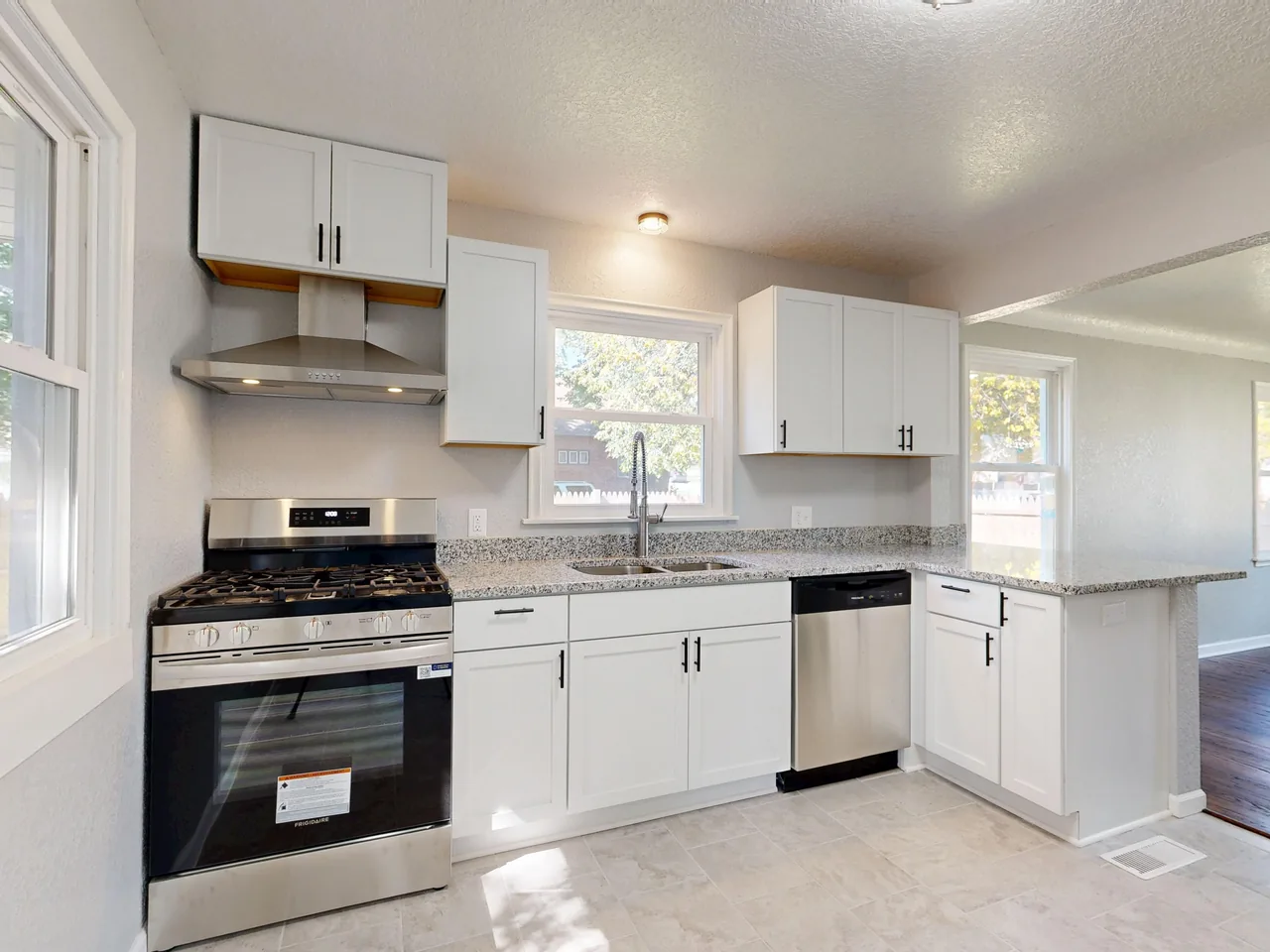
Whole-home renovation in Florida means taking a house top to bottom — demolition, structure, mechanicals, and finishes — and rebuilding it as a home that fits how you live and survives where you live. The thing that separates a renovation that lands on budget from one that spirals is sequence: the order the trades run in so the work passes each inspection and nothing gets torn out twice. A Florida renovation carries a second discipline on top — the climate. We spec the rebuild with mold-resistant, moisture-tolerant materials over slab-on-grade, and where the work touches the envelope we make the home more storm-resilient than it started, with impact-rated openings and a weather-tight detail.
Watch
See Whole-Home Renovation Done Right in Florida
Whole-Home Renovation in Bowling Green: What Matters Locally
Local conditions decide a lot about home-renovation in Bowling Green. Here's what we account for:
Less coastal exposure in Bowling Green means more options, but slab prep still makes or breaks the install.
Inland Bowling Green, in Hardee County, contends with slab moisture and sustained humidity more than salt exposure, which shapes subfloor prep and material choice for home-renovation.
Not every product suits Central Florida. For home-renovation in Bowling Green, here's what we recommend and why:
What a Whole-Home Renovation Covers
A whole-home renovation usually blends two kinds of work — refreshing what is sound and reconfiguring what does not work — across the entire house under one project.
- Demolition — controlled removal of finishes, fixtures, and any walls that come out, with the structure protected
- Structural reconfiguration — beams, headers, and wall changes that open up a dated layout, each engineered
- Mechanical updates — electrical, plumbing, and HVAC brought up to current code and capacity
- Kitchen and baths — the highest-impact rooms, coordinated with cabinetry, counters, tile, and waterproof flooring
- Finishes throughout — drywall, paint, trim, and flooring spec'd for Florida humidity
- Envelope upgrades — impact openings and weather-tight detailing where the renovation reaches the exterior

Not Sure Where to Start With the Whole House?
Free consultation, a scope priority and Florida Building Code review, and a written estimate sequenced for one crew — no pressure.
The Sequence That Keeps a Renovation on Budget
Order is the whole discipline of a whole-home project. Run the trades in the wrong sequence and you pay to redo work — finishes installed before a rough inspection fails, a wall removed before the beam is engineered. We run the same proven sequence on every renovation so the inspections pass and the schedule holds.
- Demolition — clear the finishes and any walls coming out, with the structure and the slab protected
- Structure — engineer and install any beams or headers, then pass the structural inspection
- Rough-in mechanicals — electrical, plumbing, and HVAC, then the rough inspections
- Insulation and close-up — only after the rough inspections sign off
- Drywall and finishes — paint, trim, tile, and flooring last, when the shell is closed and dry
One schedule, one point of contact, and our own supervision on site means each trade arrives when the work in front of it is ready — not when a homeowner managed to line them up. General Contracting →
Why Florida Whole-Home Renovations Are Different
The climate sets the material spec. A renovation that copies a dry-climate finish package fails in a Florida summer. We rebuild for slab moisture, high indoor humidity, and storm season — and where the work reaches the envelope, we use the opportunity to harden the home.
- Mold-resistant board in baths, laundry, and any wet area, in place of standard drywall
- Moisture-tolerant finishes and waterproof flooring assemblies over slab-on-grade
- Flood-damage-resistant materials below the design flood elevation in flood-prone areas, so a flood is a cleanup not a teardown
- Impact-rated openings and a weather-tight envelope detail where the renovation touches the exterior — leaving the home more storm-resilient than it started
- HVAC sized and zoned for Florida humidity, because comfort and mold control both depend on it
Florida Building Code & Permits for Renovations
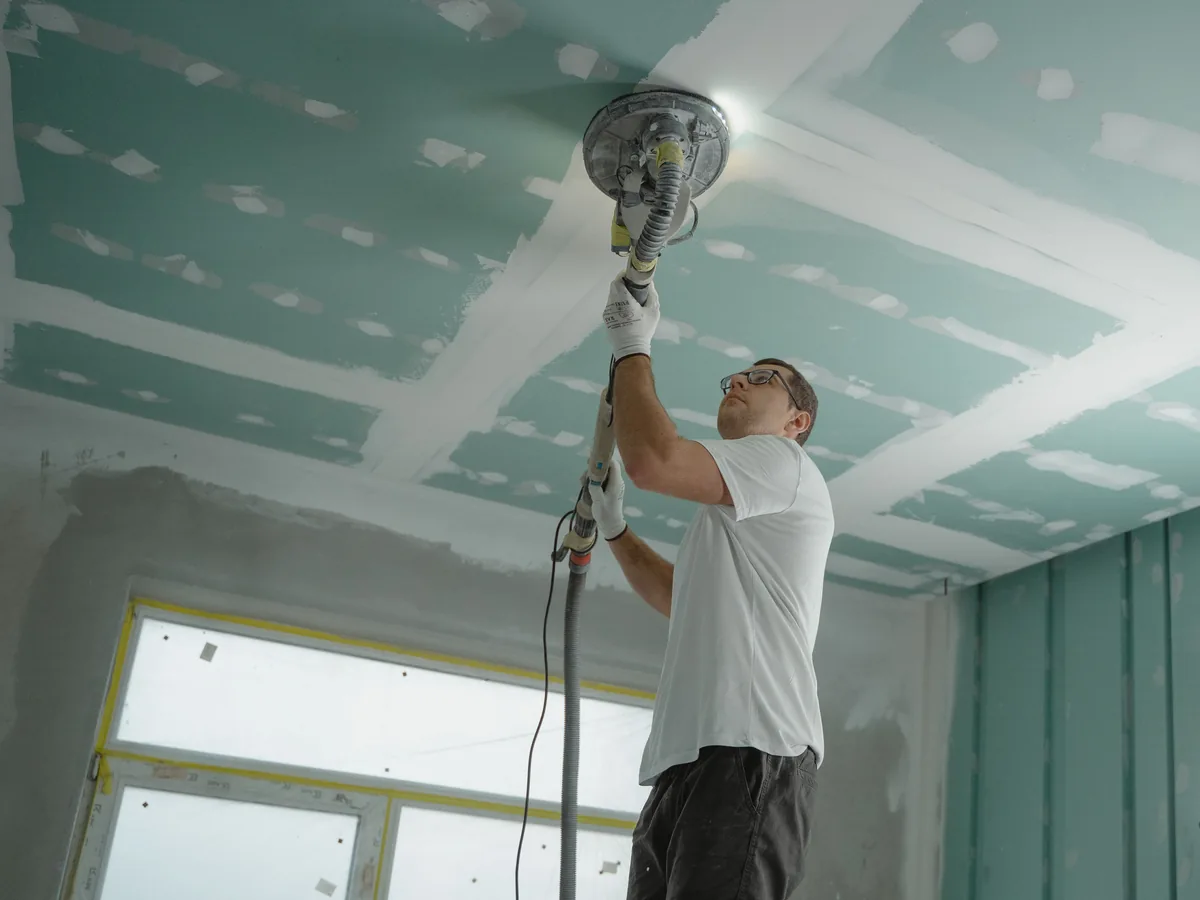
A whole-home renovation almost always touches electrical, plumbing, mechanical, or structure — all permittable under the FBC. We pull the multi-trade permits the project requires and stand for the inspections so the renovated home is legal, insurable, and clean for resale.
- Multi-trade permits for the structural, electrical, plumbing, and mechanical scopes the renovation includes
- Drawings for any layout or structural change, submitted with the application
- HVHZ documentation where the renovation reaches the envelope in coastal South Florida jurisdictions
- Inspections at each milestone — structural, rough mechanical, and final — attended and signed off
Skipping permits to save time is exactly what surfaces during a home sale and what an insurer points to after a storm. The permit trail protects both.
Standards & Systems We Build To
The materials that fight humidity and storm are where a Florida renovation earns its money.
- DensArmor / mold-resistant board for wet areas
- PGT / CGI impact-rated windows & doors
- Simpson Strong-Tie connectors for structural work
- Schluter waterproofing for wet rooms
- Sherwin-Williams mildew-resistant interior coatings
- Shaw / COREtec waterproof flooring systems
- Bostik / Mapei moisture-control adhesives
- Florida Product Approval documented envelope components
Our 6-Step Whole-Home Renovation Process
Every Pro Work whole-home renovation follows the same six-step framework — built for a sequenced, code-compliant, humidity-tolerant result on a Florida home.
- Free consultation & scope. We walk the whole house, prioritize what changes, and flag what the Florida Building Code and HVHZ will require for the structural and mechanical work. No commitment.
- Drawings & written estimate. Drawings for any layout or structural change and a line-item estimate covering demolition, structure, mechanicals, finishes, permits, and timeline.
- FBC permit process. We pull the multi-trade permits the renovation requires and carry it through plan review, including HVHZ documentation where the work touches the envelope.
- Demolition & structure. Controlled demolition, then any structural reconfiguration — beams, headers, and wall changes — engineered and inspected before the rebuild.
- Mechanicals, close-up & finishes. Electrical, plumbing, and HVAC rough-in and inspection, then insulation, drywall, and the humidity-tolerant finishes that complete the home.
One Crew for the Whole House
Fast reply. Every trade sequenced under one schedule. Humidity-spec'd. Permits handled. Built to the Florida Building Code.
How to Identify a Qualified Florida Renovator
A whole-home renovation touches every system, so the wrong crew compounds mistakes across the entire house. Verify all of the following before signing anything:
- A written sequence and schedule
- A qualified renovator can explain the order the trades run in and why. If the plan is "we figure it out as we go," the budget is at risk.
- Multi-trade permits pulled
- A whole-home project that touches mechanicals and structure needs permits.
- Engineering for any structural change
- Opening up a layout changes the load path. Beams and headers need engineering and inspection — confirm both are in scope.
- Florida-spec material package
- Ask about mold-resistant board, moisture-tolerant finishes, and waterproof assemblies. A dry-climate finish package fails in Florida humidity.
- Written line-item estimate after a walkthrough
- A reputable renovator walks the whole house and itemizes demolition, structure, mechanicals, finishes, and permits. A lump-sum number with no walkthrough is a warning sign.
Florida Whole-Home Renovation Case Study
Our Installation Standards
Every Pro Work whole-home renovation meets these installation standards:
- Florida Building Code compliance
- Built to FBC structural, moisture, and assembly requirements, with HVHZ product-approved materials where the work reaches the envelope. We pull the multi-trade permits and stand for the inspections.
- Spec'd for Florida humidity & storms
- Moisture-tolerant materials throughout and a hardened envelope where the renovation reaches the exterior — the detailing that keeps the finished home dry and insurable.
Why Florida Homeowners Choose Pro Work for Whole-Home Renovation
A whole-home project is where a disorganized crew does the most damage and a sequenced one delivers the most value. We own the schedule, spec for the climate, and permit the work — so the renovated home is worth what you put into it.
- Sequenced, not chaotic. Every trade runs in the order that keeps inspections passing and prevents rework.
- Spec'd for Florida. Mold-resistant board and waterproof assemblies, not a dry-climate finish package.
- We handle the permits. Multi-trade applications, plan review, and inspections — off your plate.
- Free consultation & estimate. Whole-house walkthrough, code review, line-item breakdown, no high-pressure sales tactic.
- One crew, prep to finish. Demolition through finishes under one schedule — no bouncing between contractors.
Related Work We Coordinate
A whole-home renovation in Florida pulls in several scopes. We hold them under one crew so the project moves as one:
- Interior Remodeling — room-level reconfiguration when the project is focused rather than whole-house.
- General Contracting — one accountable crew running scope, permits, and every trade.
- Permit Handling — the multi-trade FBC applications and inspections, managed for you.
- Design Consultation — scope, material, and layout planning before demolition begins.
Whole-Home Renovation Near Bowling Green
We cover home-renovation across Hardee County — communities close to Bowling Green include: