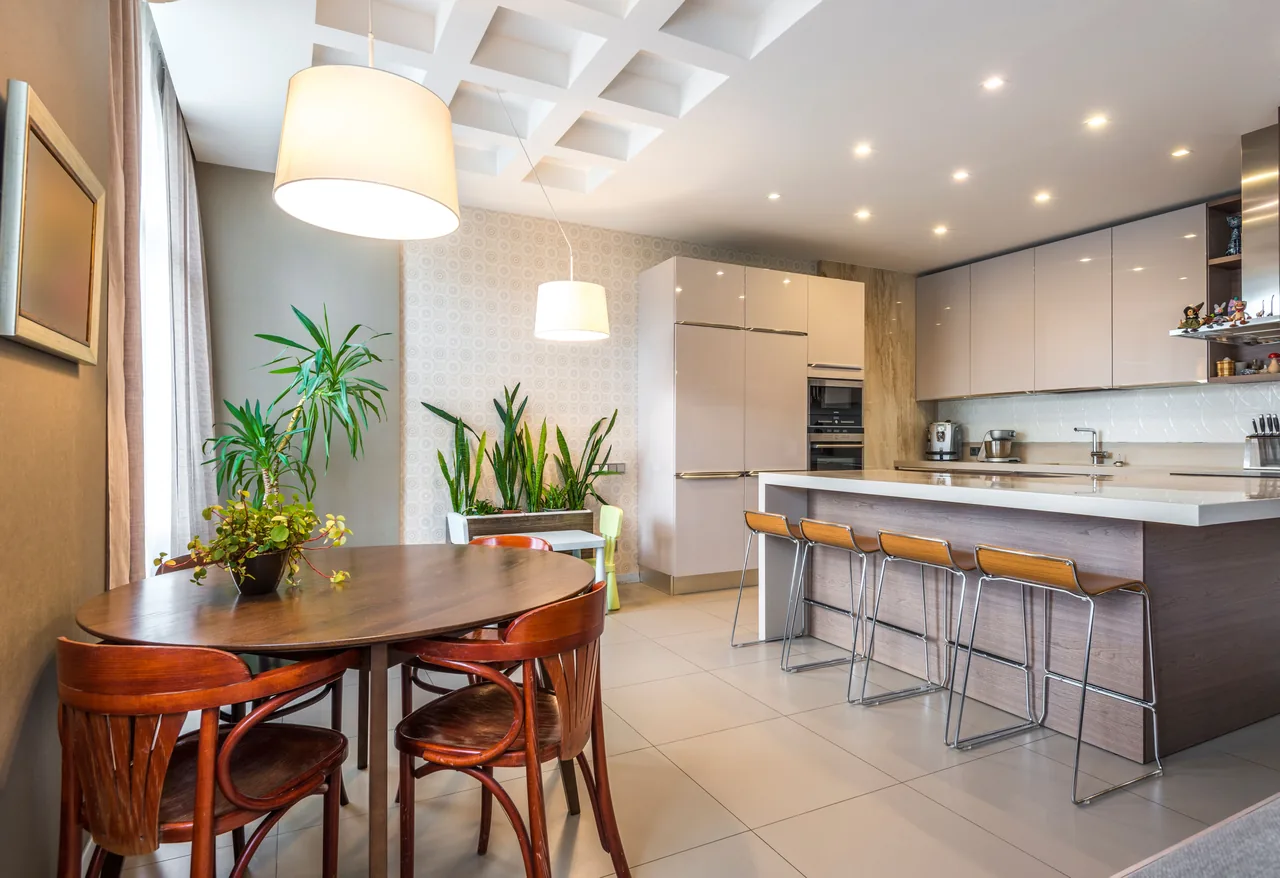
Kitchen lighting installation in Florida means designing and wiring light in layers so the room is bright where you cook, soft where you gather, and never leaves you working in your own shadow. A complete kitchen lighting plan combines ambient lighting (general overhead), task lighting (focused on the counter and sink), and accent lighting (highlighting cabinets or a backsplash) — each on the right circuit, with the right color temperature, and dimmable where it matters. The specs that decide whether a kitchen feels right are not a price tag: the color temperature in kelvin (typically 2700K to 4000K), the CRI that makes food look true, the lumen output per zone, and — critically in Florida — a damp-rated fixture rating wherever humidity is a factor. We design the layers, wire every fixture to current electrical code, and put the right zones on dimmers.
Watch
See Kitchen Lighting Installation Done Right in Florida
Kitchen Lighting Installation in Lakeland: What Matters Locally
Lakeland isn't the same as inland Florida when it comes to kitchen-lighting-installation. The local factors below shape the right approach:
Away from the coast, Lakeland's main flooring challenge is humidity and concrete-slab moisture.
Inland Lakeland, in Polk County, contends with slab moisture and sustained humidity more than salt exposure, which shapes subfloor prep and material choice for kitchen-lighting-installation.
We'll help you weigh the kitchen-lighting-installation materials that make sense for Lakeland conditions:
The Three Layers of Kitchen Lighting
Good kitchen lighting is never one fixture doing everything. It is three layers working together, each solving a different problem. A plan that skips a layer is the reason a kitchen feels dim, flat, or shadowed no matter how many bulbs are in the ceiling.
- Ambient (general) lighting — recessed cans or a central fixture that fills the room with even light so nothing is dark
- Task lighting — under-cabinet LED on the counter and a fixture over the sink, putting light between you and your shadow so the work surface stays bright
- Accent lighting — in-cabinet, toe-kick, or backsplash lighting that adds depth and shows off finishes
- Decorative / island lighting — pendants over an island or peninsula that double as task light and a design statement
- Dimming & controls — separate switches and dimmers per layer so the same kitchen does bright-for-prep and soft-for-dinner
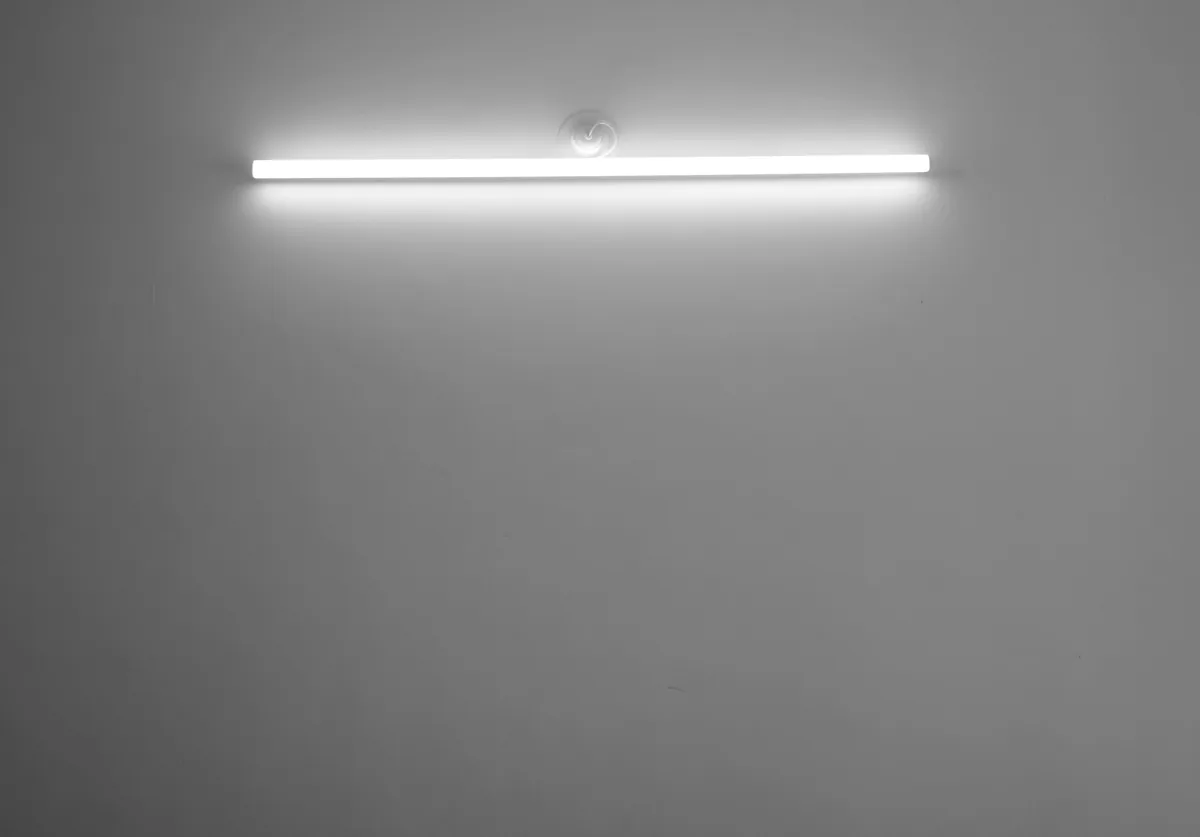
Which Layers Is Your Kitchen Missing?
Free in-home visit, a look at your ceiling and counters, and a layered lighting plan with the right color temperature — written estimate, no pressure.
Under-Cabinet Task Lighting: The Highest-Impact Upgrade
Under-cabinet lighting is the single change that makes a kitchen feel finished. Mounted under the wall cabinets, it lights the counter directly — eliminating the shadow your body casts when overhead light is behind you — and it washes the backsplash so the whole zone reads brighter. It is also the layer most kitchens are missing entirely.
- LED strip or linear bars — continuous, low-profile light with no hot spots, hidden behind the cabinet's light rail
- Hardwired, not plug-in — we wire it to a dedicated switch so there is no visible cord or wall wart, and it dims with the zone
- Color temperature matched — usually 2700K to 3000K for a warm kitchen, or 3500K to 4000K for a crisp, true-color prep light
- High CRI — a CRI of 90-plus makes produce, meat, and finishes look their real color, which a cheap strip does not
- Damp-rated near the sink — over a wet zone we use fixtures rated for the moisture a Florida kitchen sees
Why Florida Kitchen Lighting Is Different
Humidity decides which fixtures can go where. A standard dry-rated fixture installed over a sink or in a kitchen that runs humid can corrode, trap condensation, or fail early. Lighting fixtures carry a damp or wet location rating, and matching that rating to the spot is the part of a Florida lighting job most installers ignore. We also account for the heat and the coastal salt air that shortens fixture life near the coast.
- Damp-rated fixtures where humidity is a factor — over the sink, in a poorly ventilated kitchen, or anywhere steam and moisture collect, we spec a UL-listed damp-location fixture
- Sealed recessed cans — airtight, insulation-contact-rated cans keep humid attic air and conditioned kitchen air from mixing and sweating
- Corrosion-aware hardware near the coast — coastal salt air pits cheap fixtures and trim; we favor finishes that hold up
- LED for heat and longevity — LED runs cool and lasts, which matters in a warm Florida kitchen where incandescent adds heat the AC has to fight
- Wired to current electrical code — kitchen lighting and any added circuits are wired to the Florida Building Code electrical provisions, with HVHZ requirements where coastal South Florida applies
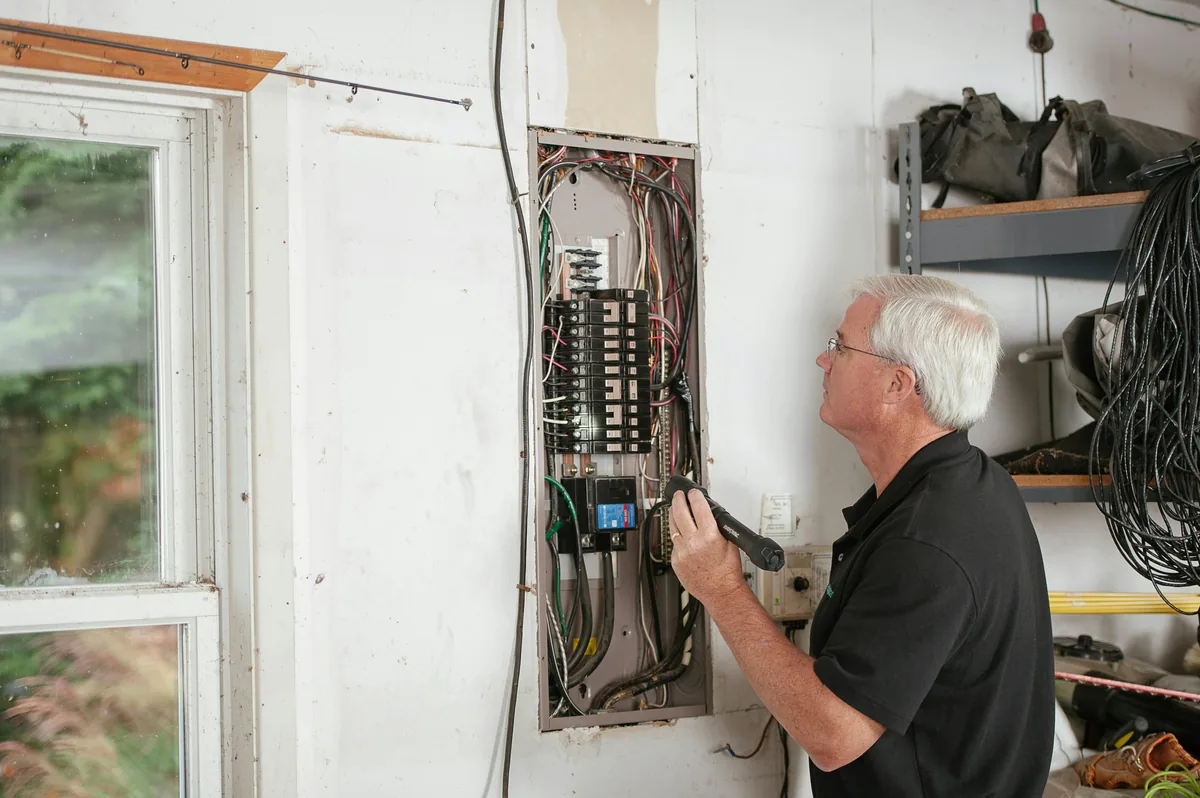
Lighting Brands We Install
Driver quality and CRI decide how a fixture ages and how true your food looks. A bargain strip with a cheap driver flickers, shifts color, and dies early.
- Kichler under-cabinet & decorative
- WAC Lighting LED task & recessed
- Halo / Cooper recessed cans & trims
- Lutron dimmers & controls
- Progress Lighting pendants & fixtures
- Diode LED linear strip systems
- Sea Gull / Generation kitchen fixtures
- Leviton switches & controls
Color Temperature and CRI: Getting the Light Right
The same kitchen feels completely different at 2700K versus 4000K, and food looks wrong under a low-CRI light no matter how bright it is. These two specs — not wattage — are what make a kitchen feel warm and inviting or crisp and clinical, so we choose them deliberately per layer.
For most Florida kitchens we recommend 2700K to 3000K for ambient and accent layers — a warm, comfortable light — and 3000K to 4000K with a CRI of 90-plus for under-cabinet task light, where true color and crispness help you cook. Keeping the layers within a consistent range, and putting them on dimmers, lets one kitchen shift from bright prep to soft dinner without ever looking mismatched.
Electrical Code and Permits for Kitchen Lighting in Florida
Swapping a fixture for a like-for-like fixture on existing wiring usually does not require a permit, because it is a replacement rather than new circuitry. The picture changes when the job adds recessed cans, runs a new under-cabinet circuit, adds switches or dimmers, or extends wiring — that work falls under the Florida Building Code electrical provisions, and in coastal High-Velocity Hurricane Zone jurisdictions added electrical work carries its own requirements.
We tell you during the estimate whether your specific project triggers any FBC or permit requirement, and we wire every fixture, switch, and circuit to current electrical code so the lighting is safe, dimmable, and inspection-ready where a permit applies.
Our 6-Step Kitchen Lighting Installation Process
- Free in-home consultation. We look at your ceiling, cabinets, and counters, map where light is missing, and design the ambient, task, and accent layers. You see fixture and color-temperature options. No commitment.
- Written estimate. Line-item breakdown — fixtures, under-cabinet system, any new circuits or dimmers, and timeline. Delivered after the visit so you see exactly what you are paying for.
- Lighting plan & fixture selection. We finalize the layout, color temperature, CRI, and damp-rated fixtures for wet zones, and confirm dimming and switch zones.
- Wiring & circuit work. New circuits, switches, and dimmers run and wired to current electrical code, with damp-rated fixtures placed where humidity calls for them.
- Fixture installation & aiming. Cans, under-cabinet bars, and pendants mounted, aimed, and dialed in. Daily cleanup, single point of contact.
Stop Cooking in Your Own Shadow
Fast reply. Wired to code. Layered kitchen lighting done right, the first time.
How to Identify a Qualified Florida Kitchen Lighting Installer
A bright kitchen badly wired is a hazard, and the wrong fixture in a wet zone fails fast. Verify all of the following before signing anything:
- Designs in layers, not single fixtures
- A qualified installer maps ambient, task, and accent light to how you use the kitchen. If the plan is just more cans, you will still cook in your own shadow.
- Uses damp-rated fixtures where humidity is a factor
- Over a sink or in a humid Florida kitchen, fixtures need a UL damp-location rating. Ask which fixtures are rated for moisture — a dry-rated fixture in a wet zone is a red flag.
- Wires to current electrical code
- New circuits, switches, and dimmers must follow the Florida Building Code electrical provisions. Confirm the installer wires to code and handles any permit the job triggers.
- Specs color temperature and CRI deliberately
- The right kelvin and a high CRI are what make a kitchen feel warm and food look true. An installer who cannot talk color temperature is guessing.
- Written line-item estimate after a site visit
- A reputable installer looks at your ceiling and cabinets and itemizes fixtures, circuits, and labor. A phone quote with no look at your kitchen is a red flag.
Florida Kitchen Lighting Case Study
Our Installation Standards
Every Pro Work kitchen lighting project meets these installation standards:
- Florida Building Code compliance
- Fixtures, circuits, switches, and dimmers wired to the FBC electrical provisions, with HVHZ requirements handled where coastal South Florida applies.
- Damp-rated installation
- UL damp-location fixtures placed wherever humidity is a factor — over the sink, in poorly ventilated kitchens, and near the coast — the step that keeps Florida moisture from corroding or fogging the light.
Why Florida Homeowners Choose Pro Work for Kitchen Lighting
Most crews add cans and call it a lighting upgrade. We design the light to the way you actually use the kitchen. The same crew that maps your layers wires them to code, dims the right zones, and uses damp-rated fixtures where Florida humidity demands them — so the room is bright where you work and soft where you gather.
- Designed in layers. Ambient, task, and accent mapped to your kitchen — not just more ceiling cans.
- Damp-rated where it counts. The detail most installers skip, and the one that keeps fixtures alive in humid Florida.
- Free in-home estimate. On-site look at your ceiling and cabinets, line-item breakdown, no high-pressure sales tactic.
- Wired to code. New circuits, switches, and dimmers to the Florida Building Code, permit handled where the job triggers it.
Related Kitchen Work We Coordinate
A lighting upgrade in Florida often pairs with the rest of the kitchen. We hold the related work under one crew so the light, cabinets, and finishes all come together:
- Kitchen Island Installation — pendants and power planned with the island so the light lands where you prep and eat.
- Custom Cabinets — cabinets built with a light rail and in-cabinet wiring so under-cabinet LED hides clean.
- Kitchen Backsplash — backsplash and under-cabinet lighting coordinated so the wash highlights the tile.
- Full Kitchen Remodeling — the lighting plan built into the whole-kitchen scope from the start.
Kitchen Lighting Installation Near Lakeland
Beyond Lakeland, our kitchen-lighting-installation crews regularly work these nearby areas: