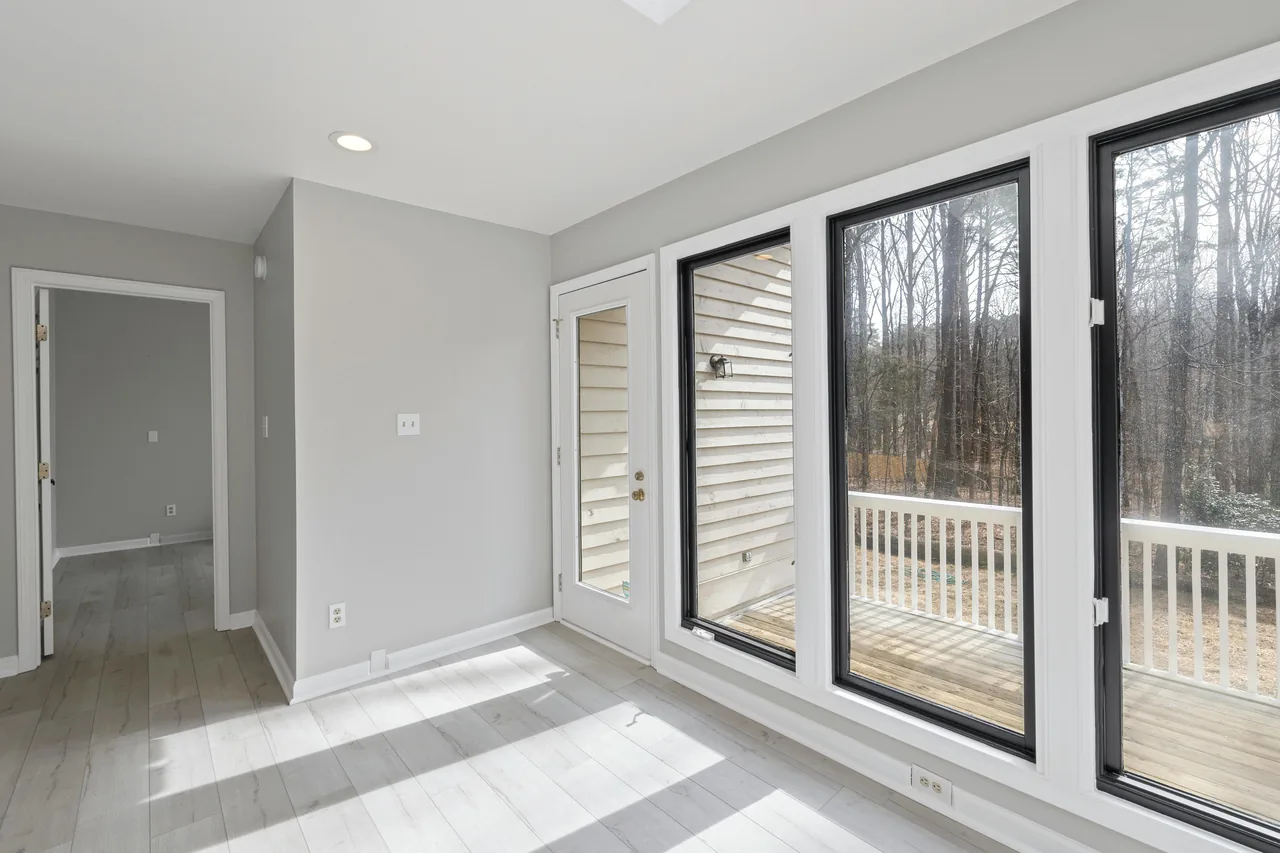
Mudroom remodeling in Florida is the art of building a buffer between the outdoors and your living space — and in Florida the outdoors means sand, sudden rain, and a humidity load that punishes the wrong materials. A mudroom is the room that catches it all: wet flip-flops, sandy beach bags, dripping umbrellas, and dog paws after an afternoon downpour. Build it the way most remodelers do — a porous floor, a wood bench, and storage that swells in the heat — and the very grit and water it was meant to stop will grind the finish, warp the seams, and grow mildew inside a season. We build a Florida mudroom as a drop zone first: a sealed, waterproof floor that sheds water and sweeps clean, durable seating and lockers engineered for daily abuse, and moisture-tolerant storage that ignores the humidity. The good looks come standard — but the material decisions underneath are what keep the rest of your home clean and dry.
Watch
See Mudroom Remodeling Done Right in Florida
Mudroom Remodeling in Martin County: What Matters Locally
Getting mudroom-remodeling right in Martin County means planning for what Treasure Coast puts a home through:
Near the coast, salt air and high humidity are hard on floors. mudroom-remodeling in Martin County has to account for both.
As a coastal Martin County community, Martin County sees salt air and high humidity all year, so moisture control and material selection lead every mudroom-remodeling decision.
The material under your feet matters most in Treasure Coast. Options for mudroom-remodeling in Martin County:
What a Florida Mudroom Remodel Includes
A real mudroom is part transition zone, part storage wall, part wet-entry floor. The organization only earns its keep if the surfaces underneath can take Florida sand and water without failing.
- Waterproof, sealed flooring — porcelain tile or rigid-core LVP that sheds rain, releases sand when swept, and shrugs off a wet entry
- A durable bench or seat — for pulling off sandy shoes, built from a surface that wipes clean instead of soaking it up
- Lockers, cubbies, or hooks — open storage that air-dries wet gear rather than trapping moisture against it
- Moisture-tolerant cabinetry — closed storage built from materials that do not swell in Florida humidity, with a durable counter or top
- Easy-clean walls and finishes — washable, mildew-resistant paint and a scuff-tolerant lower wall or wainscot where bags and shoes hit
- A defined grit barrier — a layout and floor transition that contains sand at the door instead of letting it migrate inside
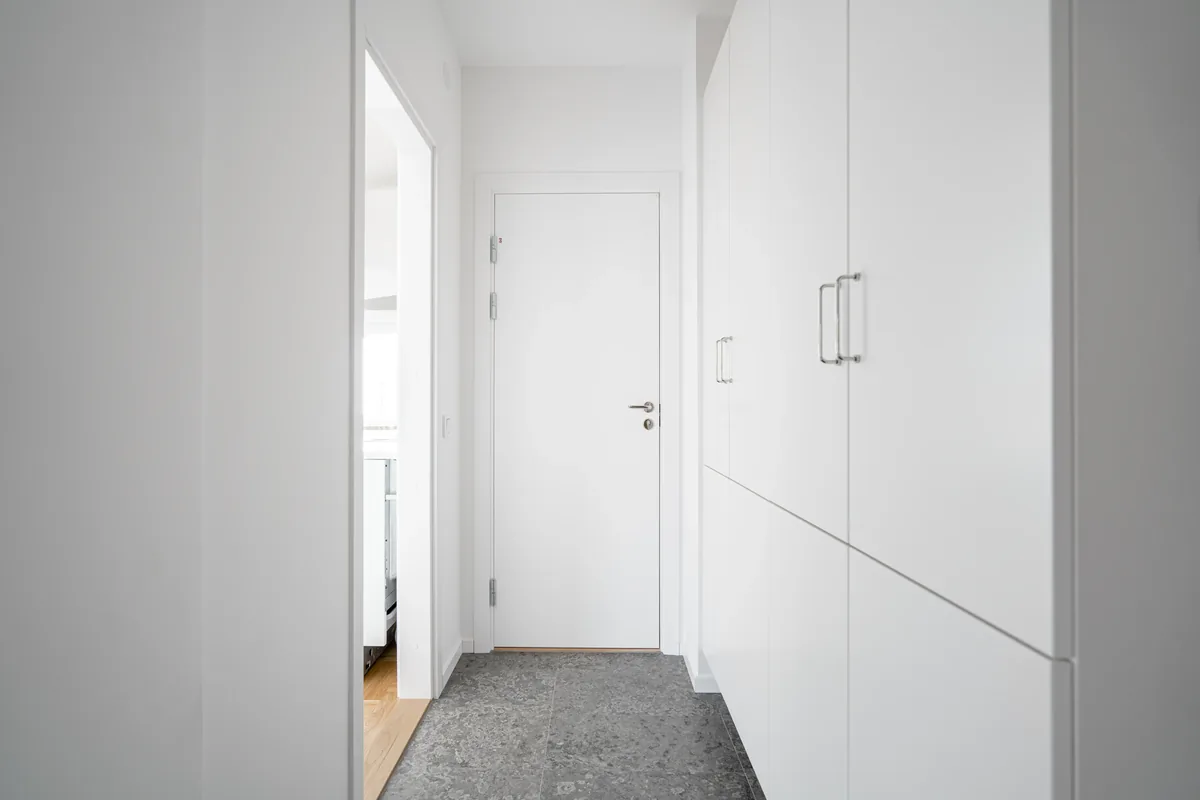
Want a Mudroom That Stops Sand at the Door?
Free in-home visit, a drop-zone layout, and surfaces matched to your entry and traffic. Written estimate, no pressure.
The Drop Zone: How a Florida Mudroom Earns Its Keep
A mudroom is a containment system, not a decoration. Its purpose is to give sand, water, and wet gear a single place to land so they never reach the floors you actually care about. In Florida, where a beach trip or a five-minute storm puts grit and water at the door daily, that containment is the difference between a quick sweep and a constant battle.
- A floor that releases grit — a hard, sealed surface lets sand sweep up cleanly instead of embedding in carpet fiber or a soft finish
- A wet landing for shoes and gear — a waterproof floor takes dripping umbrellas and soaked sneakers without staining or swelling
- A seat that invites the shoes-off habit — a durable bench at the entry is what actually keeps sand from being walked through the house
- Air-drying storage — open hooks and slatted cubbies let wet gear breathe, so a humid house does not turn a closet into a mildew pocket
- A contained perimeter — sealed transitions and the right floor-to-wall detail keep water and sand inside the zone, not migrating under the next room's floor
Why Florida Mudroom Flooring Is Different
The mudroom floor takes more sand and standing water than any other floor in the house. It faces gritty abrasion, a constant wet-and-dry cycle, and — because mudrooms often sit off a garage or patio on a slab — the same rising ground moisture every Florida floor fights. That rules out the soft, absorbent floors that look fine in a catalog and fail at a Florida back door.
- Porcelain tile or rigid-core LVP — both are waterproof, abrasion-tough, and give mold and mildew nothing to feed on, unlike carpet or unsealed wood
- Slab moisture-vapor emission rate (MVER) tested where the mudroom is on grade, so the floor does not trap rising vapor under it
- Slip resistance for a floor that gets wet — we check the wet slip rating where rain and dripping gear are a daily event
- Grit tolerance — a hard porcelain body or a thick LVP wear layer resists the sandpaper effect of tracked-in beach sand
- Sealed grout or seams and a contained perimeter — so water and sand stay on top of the floor and sweep away rather than seeping in
Humidity, Mildew, and the Storage That Survives It
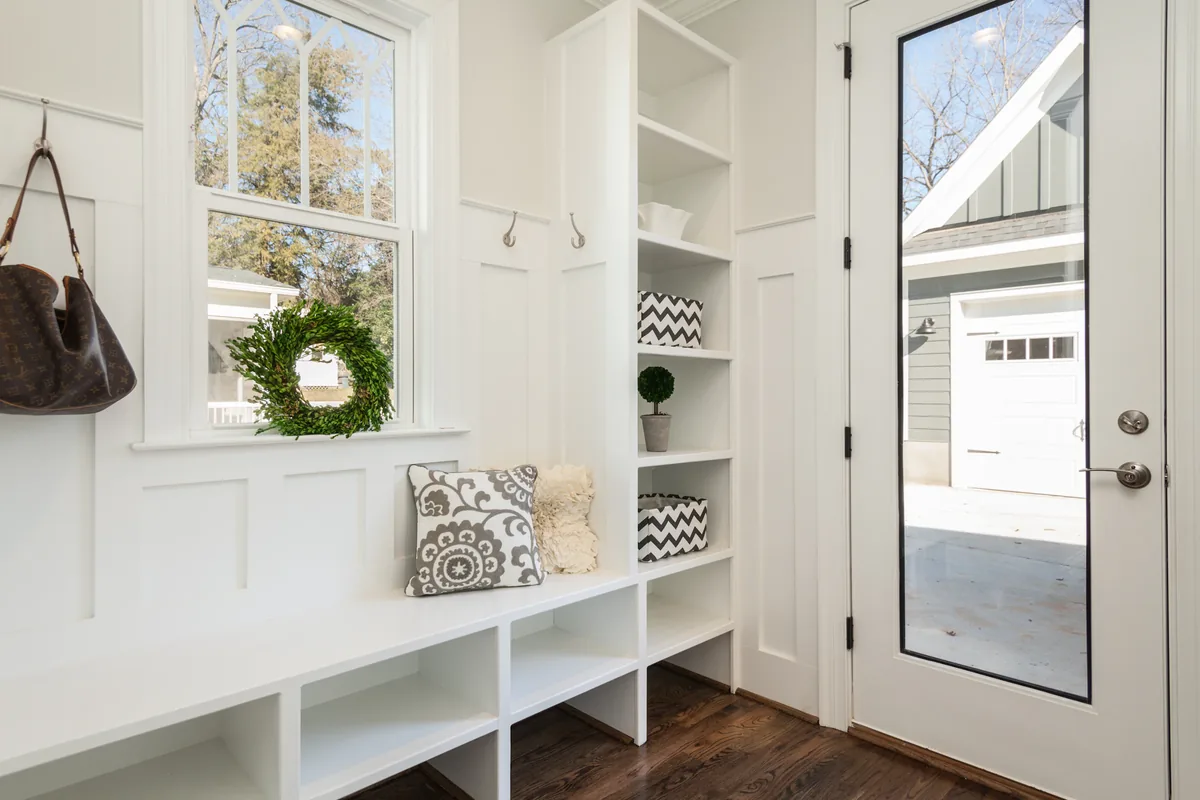
The mudroom is a humidity trap waiting to happen: it takes in wet gear all day and often sits at the back of a conditioned home where air moves least. In Florida's climate, damp gear stuffed into a closed cabinet or hung against a cold wall is exactly how a mildew smell starts. The storage choices decide whether the room stays fresh or turns musty.
We favor moisture-tolerant storage that lets gear breathe: open lockers and slatted cubbies for wet items, hooks set off the wall for airflow, and any closed cabinetry built from materials that resist swelling in humidity. Walls get a washable, mildew-resistant finish, and where the entry has no natural ventilation we flag it during the estimate so air movement is part of the plan, not an afterthought. The result is a room that handles wet gear every day and still smells clean.
Florida Building Code & Permits for Mudrooms
A mudroom remodel inside an existing room usually does not require a permit, because adding cabinetry, a bench, hooks, and new flooring is finish work rather than a structural change. The picture changes when the project grows: enclosing a covered entry, converting part of a garage, moving a wall, or adding plumbing for a utility sink can fall under the Florida Building Code, and any work touching an exterior wall or the building envelope carries moisture-detailing and, in coastal zones, product-approval considerations.
We tell you during the estimate exactly which side of the permit line your mudroom falls on. Where the work is permittable — an enclosure, a relocated wall, or new plumbing — we handle the FBC process and inspections so the room is legal and the envelope stays sealed against Florida humidity and water.
Our 6-Step Mudroom Remodel Process
Every Pro Work mudroom follows the same six-step framework — built for a waterproof, sand-shedding, mildew-resistant result on a Florida home.
- Free in-home consultation. We look at the entry, the existing floor, the traffic pattern, and how your household actually drops gear, then confirm the function you want. No commitment.
- Written estimate & layout plan. A line-item estimate with a drop-zone layout — bench, storage, hooks, and floor transition — delivered after the visit.
- Demolition & prep. We remove the old finishes, and where the mudroom is on a slab we moisture-test the concrete and prep it for a waterproof floor.
- Waterproof flooring. Install sealed porcelain tile or rigid-core LVP with a contained perimeter, so sand sweeps up and water stays on top of the floor.
- Storage, bench & finishes. Moisture-tolerant lockers, cubbies, and a durable bench, then washable mildew-resistant paint, lighting, and any scuff-tolerant lower wall.
Keep the Sand and Rain in One Room
Fast reply. Waterproof floor. Wipe-clean surfaces. Air-drying storage. Built for Florida sand and humidity from the slab up.
How to Identify a Qualified Florida Mudroom Contractor
The bench and hooks are the easy part. A mudroom that actually contains sand and survives Florida humidity depends on flooring, sealing, and storage choices that most remodels treat as cosmetic. Verify all of the following before signing anything:
- Specs a waterproof, sealed floor
- A qualified contractor puts porcelain tile or rigid-core LVP in a mudroom, moisture-tested where it is on a slab. A porous floor or carpet at a Florida back door is a failure waiting to happen.
- Designs a real drop zone
- The room should contain sand and water, not just store coats. Confirm a layout with a seat, air-drying storage, and a floor transition that keeps grit at the door.
- Uses moisture-tolerant storage
- Cabinetry and benches that swell or rot in humidity will not last. A reputable contractor specifies moisture-tolerant materials and finishes for wet gear.
- Plans for airflow and mildew control
- A mudroom takes in wet gear daily. Ask how the contractor handles ventilation and specifies washable, mildew-resistant finishes for the climate.
- Written line-item estimate after a site visit
- A reputable contractor measures on-site, checks the entry and any slab, and itemizes material, labor, and any plumbing or electrical. A phone quote is a red flag.
Florida Mudroom Case Study
Our Installation Standards
Every Pro Work mudroom remodel meets these installation standards:
- Waterproof, sealed installation
- A sealed waterproof floor with a contained perimeter and moisture-tolerant storage — the detailing that keeps sand and rain in the drop zone and out of the rest of the home.
- Moisture-tested floor
- Slab MVER testing where the room is on grade, before a waterproof floor goes down — the step that prevents rising vapor from undermining the floor.
Why Florida Homeowners Choose Pro Work for Mudrooms
Most remodelers sell the bench and forget the room exists to fight sand, water, and humidity. We build the containment first. The same crew that hangs your lockers also lays a waterproof floor and seals the perimeter — so the mudroom does its real job of keeping the rest of your home clean and dry.
- Built as a drop zone. Sealed waterproof floor and a layout that contains sand and water at the door.
- Sand-and-rain tough. Surfaces that sweep and wipe clean instead of soaking up grit and moisture.
- Air-drying storage. Open lockers and moisture-tolerant cabinetry so wet gear never breeds mildew.
- Spec'd for Florida humidity. Washable, mildew-resistant finishes and airflow planned where it is needed.
- One crew, start to finish. Flooring, storage, and finishes under one schedule.
Related Work We Coordinate
A mudroom remodel pulls in flooring, storage, and adjacent rooms. We hold it all under one crew so the room comes together waterproof, organized, and finished:
- Tile Flooring — sealed porcelain that shrugs off sand, water, and Florida humidity, the toughest mudroom floor.
- Luxury Vinyl Plank — 100% waterproof flooring that sweeps clean and survives a wet entry.
- Laundry Room Remodeling — combine the mudroom with the laundry on the same waterproof floor, a popular Florida pairing.
- Interior Painting — washable, mildew-resistant finishes for a hard-working entry.
Mudroom Remodeling Near Martin County
Outside Martin County? We cover mudroom-remodeling throughout the surrounding area: