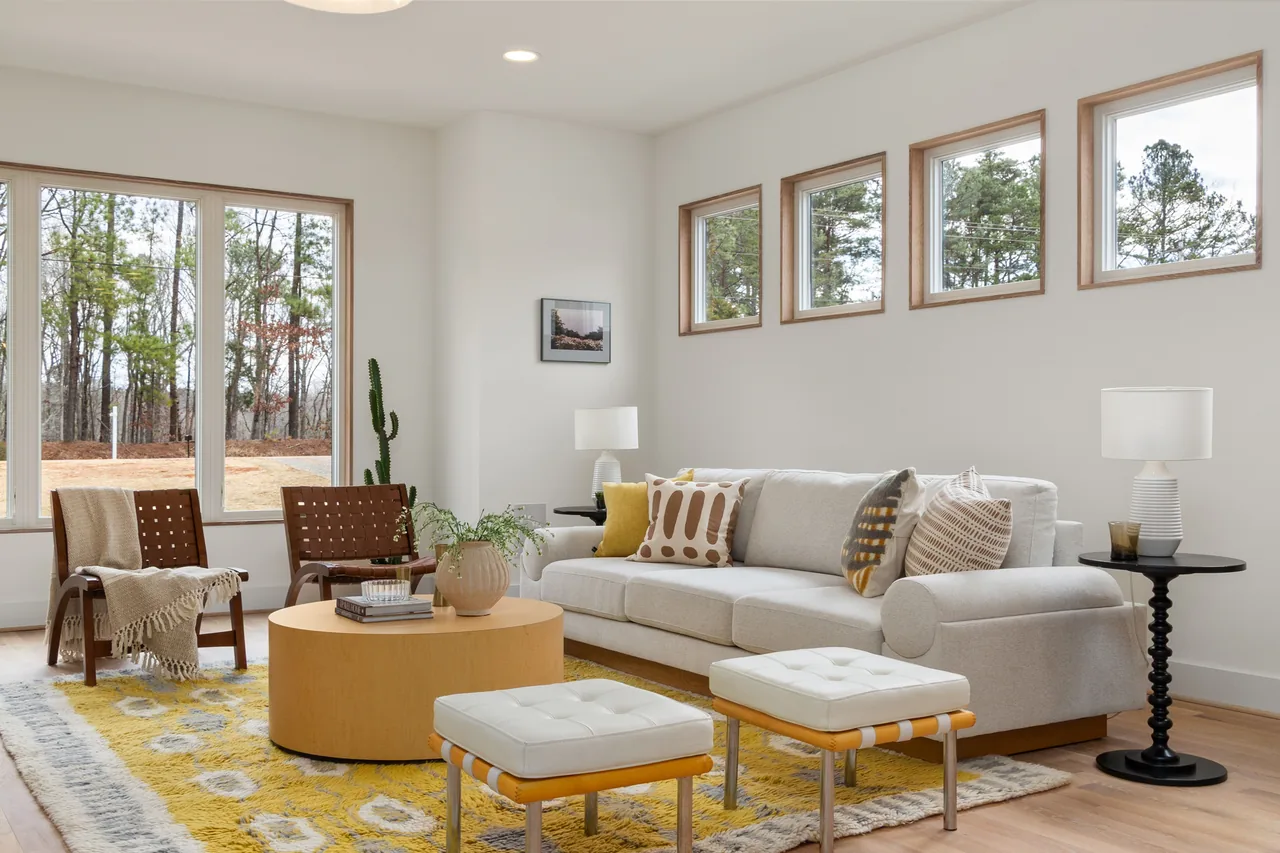
Accent wall installation in Florida is a moisture and substrate problem before it is a style problem. A feature wall — shiplap, a wood slat panel, board and batten, or a tile face — looks simple, but in a humid Florida home the decision that determines whether it stays crisp is the material and how it is attached, not the look on the mood board. Raw wood absorbs moisture and cups and gaps; MDF slats swell if they ever get damp; and tile or panels glued to bare drywall or block can let go when humidity migrates through an exterior wall. We match the material to the wall's moisture exposure, fasten wood and panels into the framing rather than relying on adhesive alone, and waterproof the substrate behind any tile accent. The result is a feature wall that reads as built-in and holds its line through Florida summers.
Watch
See Accent Wall Installation Done Right in Florida
Accent Wall Installation in North Port: What Matters Locally
Getting accent-wall-installation right in North Port means planning for what Southwest Florida / Gulf Coast puts a home through:
For waterfront and near-coast North Port homes, we prioritize dimensional stability and moisture resistance.
As a coastal Sarasota County community, North Port sees salt air and high humidity all year, so moisture control and material selection lead every accent-wall-installation decision.
Some materials thrive in Southwest Florida / Gulf Coast; others fail early. For accent-wall-installation in North Port, here's the breakdown:
What Accent Wall Installation Covers, and Why Material Comes First in Florida
An accent wall is a single wall finished to stand apart from the rest of the room, and a lasting one is equal parts the right material and a sound attachment. In Florida, the material decision comes first because humidity and the block construction common here punish the wrong choice. Here is what a complete accent wall installation involves.
- Style and material selection — shiplap, wood slat, board and batten, or tile chosen by room, look, and moisture exposure
- Substrate assessment — checking whether the wall is drywall over framing or finish over a block exterior wall, which changes the attachment and any moisture detailing
- Layout — boards, slats, or tile set out so reveals, spacing, and the center line read clean across the wall
- Secure attachment — wood and panels glued and fastened to studs or furring rather than relying on adhesive into drywall
- Caulk, fill, and finish — seams caulked, fastener holes filled, and the wall primed and painted, or grout and seal on a tile accent
Which Style and Material Fit Your Room?
Free in-home visit, style and material help, and a recommendation matched to your wall and its humidity — written estimate, no pressure.
Shiplap, Slat, and Tile: The Florida Accent Wall Options
The three accent walls Florida homeowners ask for most each behave differently in humidity, and that drives the material spec. Matching the style to the room and to the wall behind it is what keeps the joints tight and the surface sound for years.
- Shiplap — overlapping horizontal boards with a clean reveal; we use PVC or moisture-resistant engineered boards in humid and exterior-wall locations rather than raw pine that cups
- Wood slat / fluted — vertical slats over a backer for a warm, textured look; the slats and backer are spec'd and sealed so the look survives humidity swings
- Board & batten — a grid of flat stock and battens; moisture-tolerant material and fasteners into framing keep the grid from opening at the joints
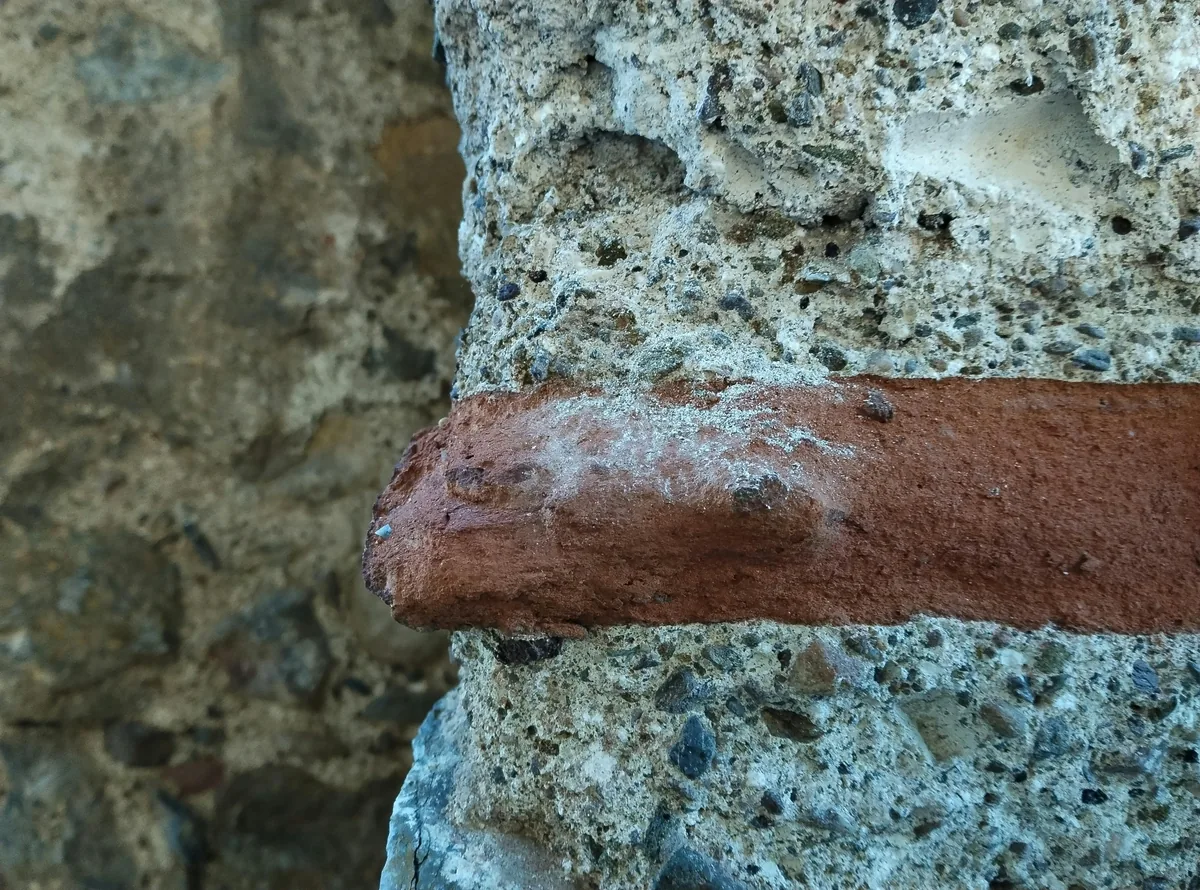
- Tile accent wall — porcelain, ceramic, or stone over a waterproofed substrate; the wall behind is detailed so moisture migrating through Florida block does not loosen the tile
- Material matched to exposure — interior partition walls take more material options; exterior block walls and humid rooms get moisture-tolerant material and proper detailing
Why Florida Accent Wall Installs Are Different
Humidity and block construction shape every Florida accent wall. An installer used to a dry climate can glue raw wood or slats straight to drywall and move on. In Florida, the material has to tolerate moisture, walls that back to the exterior are often concrete block where moisture migrates through, and attachment has to reach framing or furring so the wall does not rely on adhesive that humidity can defeat.
- Moisture-tolerant materials specified so boards and slats do not cup, swell, or gap in Florida humidity
- Exterior block walls treated with furring and, where a tile accent is going on, a waterproofing layer so wall moisture does not reach the finish
- Wood and panels glued and fastened into studs or furring rather than relying on adhesive into drywall alone
- Tile accents set on a waterproofed substrate with the right thinset so the face stays bonded through humidity swings
- Material matched wall by wall — interior partitions versus humid rooms and exterior-facing walls get different specs
Substrate and Attachment: Why the Wall Behind Decides Everything
The reason cheap accent walls fail is the wall behind the finish, not the finish itself. A panel or board glued to bare drywall on an exterior concrete block wall has no way to handle the moisture that migrates through that block in a Florida summer, and the adhesive eventually lets go. The fix is to read the wall first: interior framed partitions take fasteners straight into studs, while exterior block walls get furring strips to attach to and, for any tile accent, a waterproofing layer between the block and the finish.
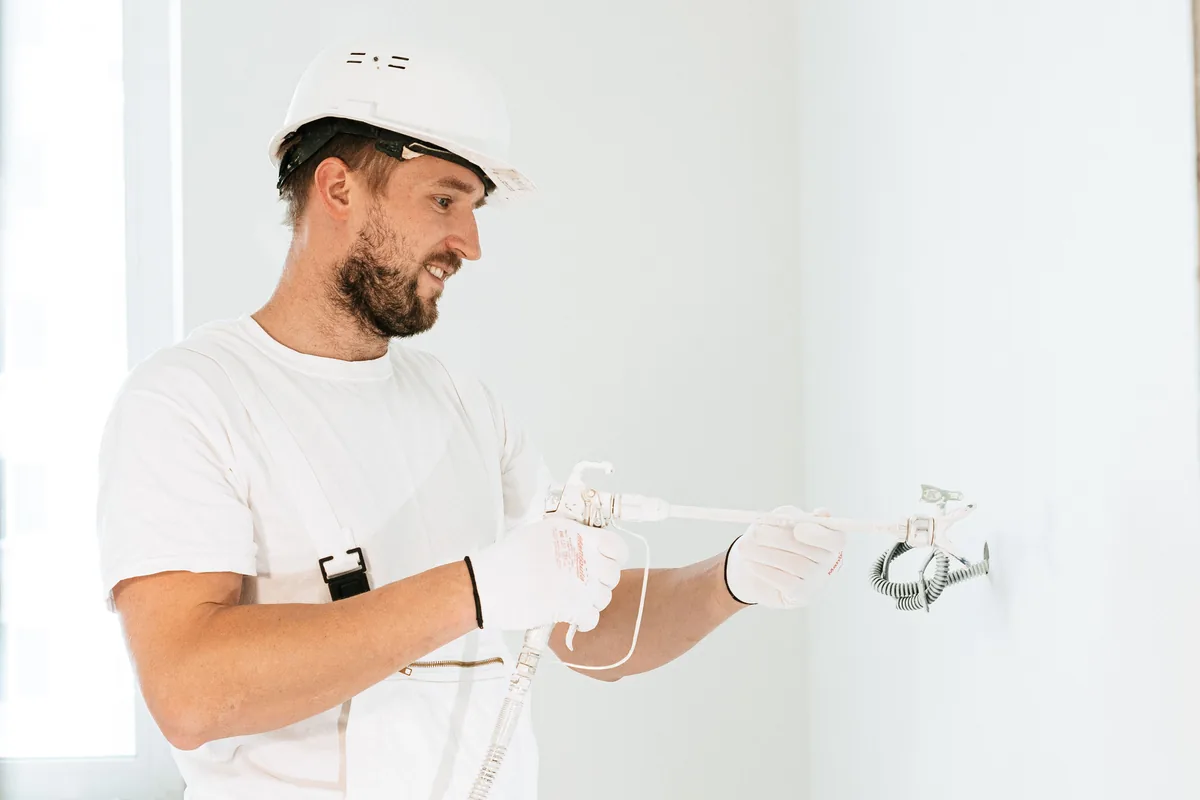
We assess the substrate during the estimate, fasten wood and panels into framing or furring, and waterproof behind tile so the accent wall is bonded to something solid and dry. See our drywall installation service for any wall that needs to be built or refaced first.
Permits and Scope for Accent Walls in Florida
An accent wall is a cosmetic wall finish and does not require a permit. The picture only changes when the work is part of a larger remodel that touches structure, electrical, or a moisture assembly — those portions can fall under the Florida Building Code. If your accent wall is part of a bigger scope, or if building a new partition wall is involved, we tell you up front which parts go beyond a finish so there are no surprises.
Most accent wall projects are exactly what they sound like: choose the style and material, prepare and lay out the wall, install, and finish. We keep the written estimate clear so you can see the material, the wall area, the substrate prep, and the finishing, and we coordinate with any painting or trim work happening at the same time.
Our 6-Step Accent Wall Process
Every Pro Work accent wall project follows the same six-step framework — built for tight joints, a humidity-tolerant material, and a furniture-grade finish in a Florida home.
- Free in-home consultation. We measure the wall, read the substrate, and help you pick a style and the right material for the room's humidity and the wall behind it. No commitment.
- Written estimate. Line-item breakdown — material, wall area, substrate prep, install, and finishing, plus timeline. Delivered after the visit.
- Style & material selection. Shiplap, slat, board and batten, or tile chosen by look and moisture exposure, with PVC or moisture-resistant material where humidity demands it.
- Substrate prep & layout. Furring added on block walls, waterproofing behind any tile accent, and the boards, slats, or tile set out for clean reveals and a centered line.
- Install & finish. Wood and panels glued and fastened into framing or furring, or tile set and grouted, then seams caulked, holes filled, and the wall painted or the grout sealed.
An Accent Wall That Looks Built Into the Room
Fast reply. Experienced crews. Humidity-tolerant material, fastened to framing. Done right, the first time.
How to Identify a Qualified Florida Accent Wall Installer
A great-looking material cannot rescue the wrong attachment or an untreated block wall. Verify all of the following before signing anything:
- Matches the material to humidity
- A qualified Florida installer uses PVC or moisture-resistant material on humid and exterior-facing walls, not raw pine or paper-faced MDF that will cup and swell. Ask what goes where and why.
- Reads the substrate first
- The wall behind the finish decides everything. A reputable crew checks whether it is framed drywall or an exterior block wall and details the attachment and moisture accordingly.
- Fastens to framing or furring
- Wood and panels fastened into studs or furring stay put; finishes glued to bare drywall on a block wall can let go. Confirm the attachment plan.
- Waterproofs behind tile
- A tile accent on an exterior Florida wall needs a waterproofing layer between the block and the tile. An installer who skips it is inviting the tile to loosen.
- Lays out for clean reveals
- Even spacing, a centered line, and consistent reveals are what make an accent wall look built. Careful layout is the mark of someone who has done this before.
Florida Accent Wall Case Study
Our Installation Standards
Every Pro Work accent wall project meets these installation standards:
- Humidity-tolerant material
- PVC and moisture-resistant material on humid and exterior-facing walls — the spec that keeps a Florida accent wall from cupping, swelling, and peeling.
- Sound substrate & attachment
- Furring on block walls, waterproofing behind tile, and fasteners into framing — the detailing that keeps the wall bonded to something solid and dry.
Why Florida Homeowners Choose Pro Work for Accent Walls
Most installers glue the trendy material straight to the wall and move on. We treat the Florida humidity and the wall behind the finish as the project. The same crew that helps with your style also matches the material to the room, reads the substrate, and fastens to framing — so the accent wall stays tight and looks built-in.
- Material matched to the wall. PVC or moisture-resistant material where the humidity is, more options where it is dry and interior — not one material everywhere.
- Fastened to framing. Wood and panels into studs or furring, not glued to bare drywall on a block wall that moves moisture.
- Free in-home estimate. On-site measurement, style and material help, line-item breakdown, no high-pressure sales tactic.
- Substrate read first. We detail block walls and waterproof behind tile so the finish bonds to something dry.
- Caulked and finished. Seams caulked, holes filled, and painted, or grout sealed, to a furniture-grade result.
Related Wall Work We Coordinate
An accent wall project in Florida often pairs with drywall, paint, and trim. We hold it under one crew so the wall package is consistent:
- Drywall Installation — building or refacing the wall before the accent finish goes on.
- Interior Painting — the surrounding walls and trim painted to set off the feature wall.
- Crown Molding — finishing the ceiling line above the accent wall in a humidity-tolerant profile.
- All Walls & Surfaces — drywall, texture, paint, and finish carpentry under one crew.
Accent Wall Installation Near North Port
Need accent-wall-installation just outside North Port? We work across Southwest Florida / Gulf Coast, including: