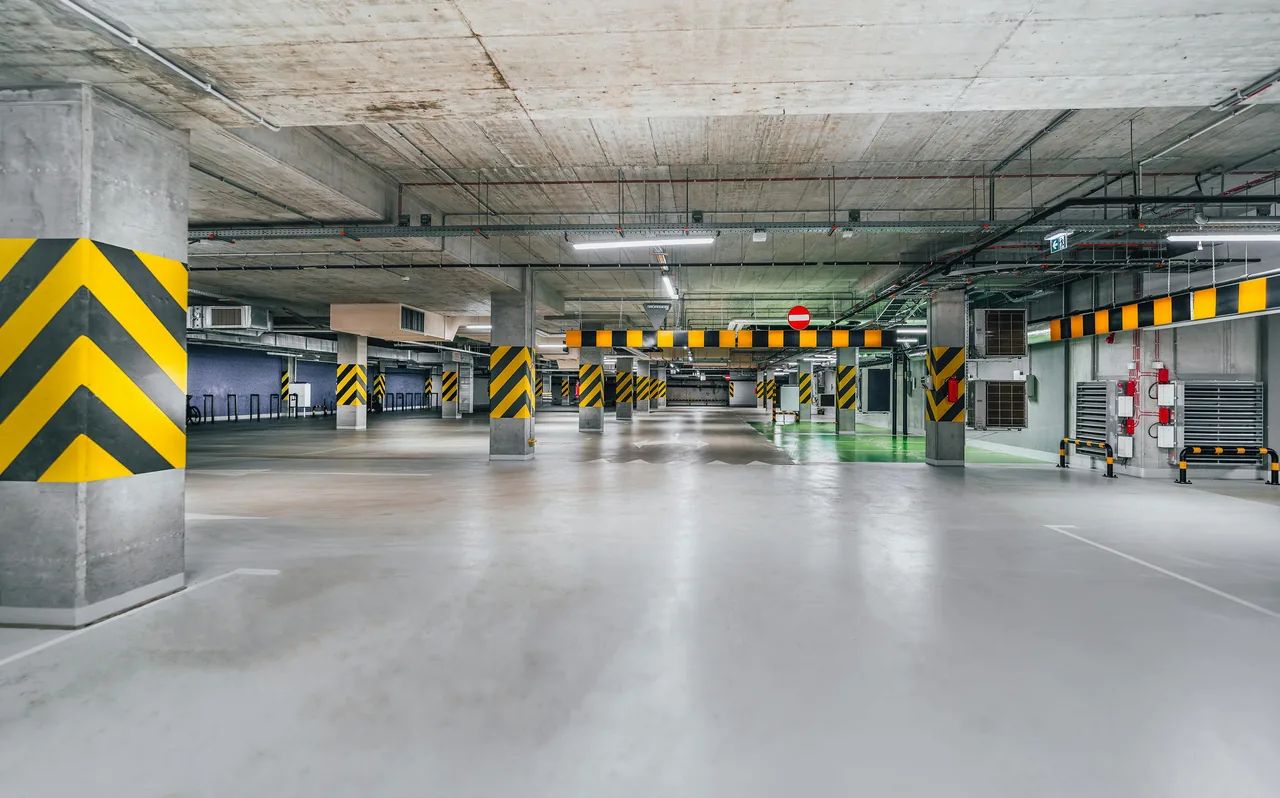
Garage floor coating in Florida means bonding a seamless resin floor to your concrete slab — typically an epoxy base built up with a broadcast flake layer and sealed under a clear topcoat, or a faster all-day polyaspartic system. The spec that decides whether the floor lasts under Florida sun is the topcoat: a UV-stable polyaspartic clear that resists the ambering and chalking a south-facing, open-door garage forces on cheap epoxy. The spec that decides whether it bonds at all is slab prep — a diamond-ground concrete surface profile and a tested MVER so vapor does not blister it from below.
Watch
See Garage Floor Coating Done Right in Florida
Garage Floor Coating in Pierson: What Matters Locally
Getting garage-floor-coating right in Pierson means planning for what Central Florida puts a home through:
Sea air and humidity swings make moisture control the priority for garage-floor-coating in coastal Pierson.
As a coastal Volusia County community, Pierson sees salt air and high humidity all year, so moisture control and material selection lead every garage-floor-coating decision.
Picking a material for garage-floor-coating in Pierson? Start with how it handles Florida humidity:
What Is a Garage Floor Coating, and What Goes Into It?
A garage floor coating is a multi-layer resin system mechanically bonded to a profiled slab — not a paint, and not a peel-and-stick. The build varies by product, but a durable Florida system stacks a primer or base coat, a decorative broadcast layer, and a protective clear topcoat that takes the abuse.
- Polyaspartic (the Florida topcoat) — a polyurea resin that cures fast, stays clear, and resists UV ambering; the right clear coat for a sun-exposed, open-door garage
- Epoxy base — a thick, high-build resin that fills and bonds; excellent as a base layer but prone to ambering if left as the exposed topcoat
- Decorative flake broadcast — vinyl color chips broadcast into the base for grip, hidden imperfections, and a finished look
- Quartz or anti-slip aggregate — broadcast for higher traction where a wet Florida garage or lanai needs it
- Clear UV-stable topcoat — the layer that locks in the flake, adds chemical and abrasion resistance, and survives the sun
Will Your Slab Hold a Coating?
Free on-site visit, slab moisture check, and a profile assessment so the coating bonds and lasts — written estimate, no pressure.
Why UV Stability and Heat Tolerance Decide a Florida Garage Floor
Florida garages live with the door open and the sun pouring in — and that is exactly what a cheap coating cannot survive. The difference between a floor that looks new in five years and one that yellows in one comes down to two specs the box kits ignore: ultraviolet stability and heat tolerance.
- UV stability stops ambering — straight epoxy yellows and chalks under sunlight; a polyaspartic UV-stable topcoat holds its color through years of open-door exposure
- Heat tolerance beats hot-tire lift — hot Florida tires pull weakly bonded coatings off the slab; a properly ground and primed system resists hot-tire pickup
- Humidity affects the cure — high ambient humidity changes how resins cure, so a Florida-experienced crew adjusts product and timing to avoid blushing and soft spots
- Slip resistance matters when it rains — water tracks in off a Florida driveway, so we broadcast flake or aggregate to keep traction on a wet coated floor
Why Florida Garage Coatings Are Different
The slab and the climate decide the system. Most Florida garages are slab-on-grade — concrete poured straight on the ground — and that slab pushes vapor up into a coating that must stay bonded. A Florida-correct coating answers vapor, heat, humidity, UV, and, in coastal South Florida, salt-air and HVHZ awareness.
- Slab moisture-vapor emission rate (MVER) tested before coating — vapor blisters and delaminates a coating laid over an untested slab
- Diamond grinding to an industry concrete surface profile (CSP) so the resin keys mechanically into the concrete instead of sitting on top
- UV-stable polyaspartic topcoat specified for sun exposure through an open garage door — the spec the box kits skip
- Humidity-aware product selection and cure timing so the system does not blush, bubble, or stay soft
- FBC-aware detailing, with salt-air and HVHZ-considered materials for coastal and South Florida projects where applicable
Brands We Install for Garage Floor Coatings
A big-box weekend kit is thin, ambers fast, and bonds to an unprepared slab that lets it lift.
- Penntek polyaspartic systems
- Sherwin-Williams coatings & primers
- Polyaspartic / Polyurea UV-stable topcoats
- Sika / Sikafloor resin flooring
- Rust-Oleum commercial flake systems
- Bostik / Mapei moisture-mitigation primers
- Torginol decorative flake
- HTC / Husqvarna diamond grinding
Will Your Slab Need Crack Repair or Moisture Mitigation First?
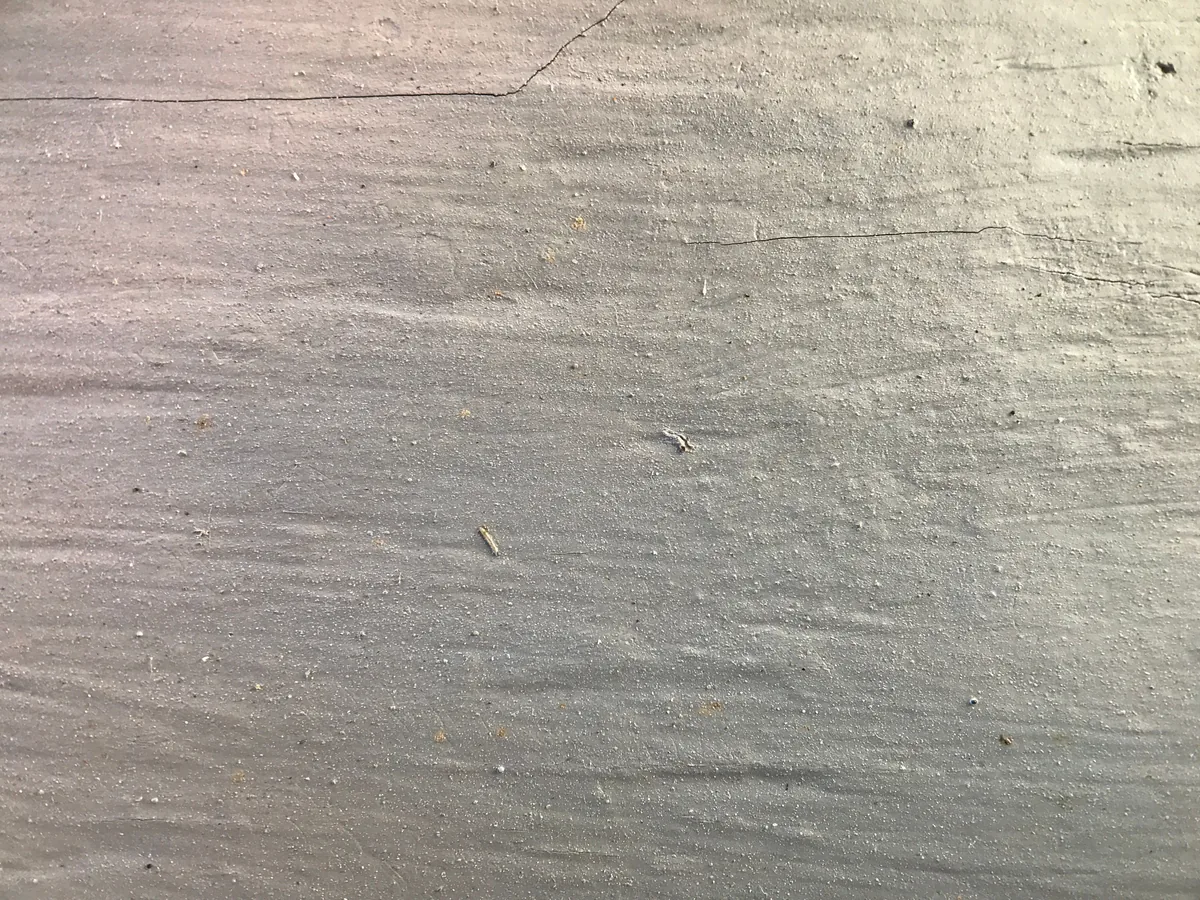
Older Florida garage slabs are often cracked, pitted, oil-stained, or high on moisture — and a coating laid over any of those fails. We chase and fill cracks, patch spalls, degrease, and grind to profile, and where the slab tests high we apply a moisture-mitigation primer so vapor cannot push the coating off.
We bundle slab prep into the same visit and the same crew — moisture test, grind, repair, prime, then coat — so your project does not bounce between a prep contractor and an applicator. Concrete Polishing Estimate
Florida Building Code, Salt Air, and Permits for Garage Coatings
A garage floor coating over an existing slab usually does not require a permit, because it is a surface finish rather than a structural change. The picture changes when the work touches the slab structurally or a moisture assembly — that can fall under the Florida Building Code — and in coastal High-Velocity Hurricane Zone areas (Miami-Dade, Broward, and other South Florida jurisdictions), salt air and product approvals are worth considering for adjacent assemblies.
We tell you during the estimate whether your specific project triggers any FBC requirement, and we detail the system — profile, moisture mitigation, and topcoat — to the manufacturer's specification.
Our 6-Step Garage Floor Coating Process
- Free on-site consultation. We measure the bays, check the slab condition, and identify cracks, spalls, or oil contamination. You see flake colors and topcoat options matched to your use. No commitment.
- Written estimate. Line-item breakdown — slab prep, crack repair, moisture mitigation, coating system, topcoat, and timeline. Delivered after the visit so you see exactly what you are paying for.
- Slab moisture test & diamond grind. MVER check, then diamond grinding to the manufacturer's CSP so the resin keys into the concrete. Moisture-mitigation primer added where the slab tests high.
- Crack repair & base coat. Cracks chased and filled, spalls patched, then the primer or base resin applied to a clean, profiled slab.
- Flake broadcast & UV-stable topcoat. Decorative flake or aggregate broadcast into the base, then sealed under a clear UV-stable polyaspartic topcoat. Daily cleanup, single point of contact.
Skip the Weekend-Kit Gamble
Fast reply. Slab diamond-ground and moisture-tested, UV-stable topcoat. Garage coating done right, the first time.
How to Identify a Qualified Florida Garage Coating Installer
The coating matters less than the prep and the topcoat behind it. A glossy floor laid over an unground, untested slab — or finished with a yellowing epoxy clear — will lift or amber. Verify all of the following before signing anything:
- Slab moisture testing as standard
- A qualified Florida installer tests the slab's moisture-vapor emission rate before coating. Vapor is the number-one cause of blistering, so if moisture testing is not in the scope, the install is a guess.
- Diamond grinding, not acid etch
- A durable bond needs a mechanically ground profile, not a quick acid wash. Ask how the slab will be profiled; diamond grinding to a stated CSP is the answer you want.
- A UV-stable topcoat specified
- For a Florida open-door garage, the clear coat must be UV-stable polyaspartic or polyurea, not exposed epoxy. Confirm the topcoat by name; ambering is the box-kit failure.
- Crack and spall repair included
- A coating bridges nothing on its own. Confirm cracks, spalls, and oil contamination are addressed before the resin goes down, or they telegraph and fail through the new floor.
Florida Garage Floor Coating Case Study
Our Installation Standards
Every Pro Work garage floor coating meets these installation standards:
- Florida Building Code compliance
- Installed to FBC requirements where applicable, with salt-air and HVHZ-considered materials where coastal South Florida warrants them.
- Moisture-tested installation
- Slab MVER testing and, where needed, a moisture-mitigation primer before coating — the step that prevents the blistering vapor causes on Florida slabs.
Why Florida Homeowners Choose Pro Work for Garage Coatings
Most coating crews chase a one-day install and skip the two steps that decide a Florida garage floor's fate — moisture testing and a UV-stable topcoat. We treat the slab and the sun as the project. The same installer who shows you flake colors also tests the slab, grinds it to profile, and specs a topcoat that survives an open door.
- UV-stable topcoat on every job. No ambering under Florida sun — the failure that defines cheap epoxy.
- Slab moisture-tested every job. Vapor is the top cause of blistering, so we never coat over an untested slab.
- Diamond-ground profile. A mechanical key into the concrete, not an acid etch — the bond that beats hot-tire lift.
- One crew, prep to topcoat. Moisture test, grind, crack repair, base, flake, and topcoat under one schedule — no bouncing between contractors.
Related Flooring Work We Coordinate
A garage coating in Florida often pairs with adjacent slab work. We hold it all under one crew so the finish goes down bonded and even:
- Concrete Polishing — a polished, densified slab finish for interior or showroom areas instead of a coating.
- Epoxy Flooring — seamless epoxy systems for utility rooms, workshops, and commercial slabs.
- Floor Leveling — self-leveling and patching so the slab is even before coating.
- Subfloor Repair — slab crack and spall repair after moisture or settling, done before the coating.
Garage Floor Coating Near Pierson
Our garage-floor-coating coverage extends beyond Pierson to neighboring cities: