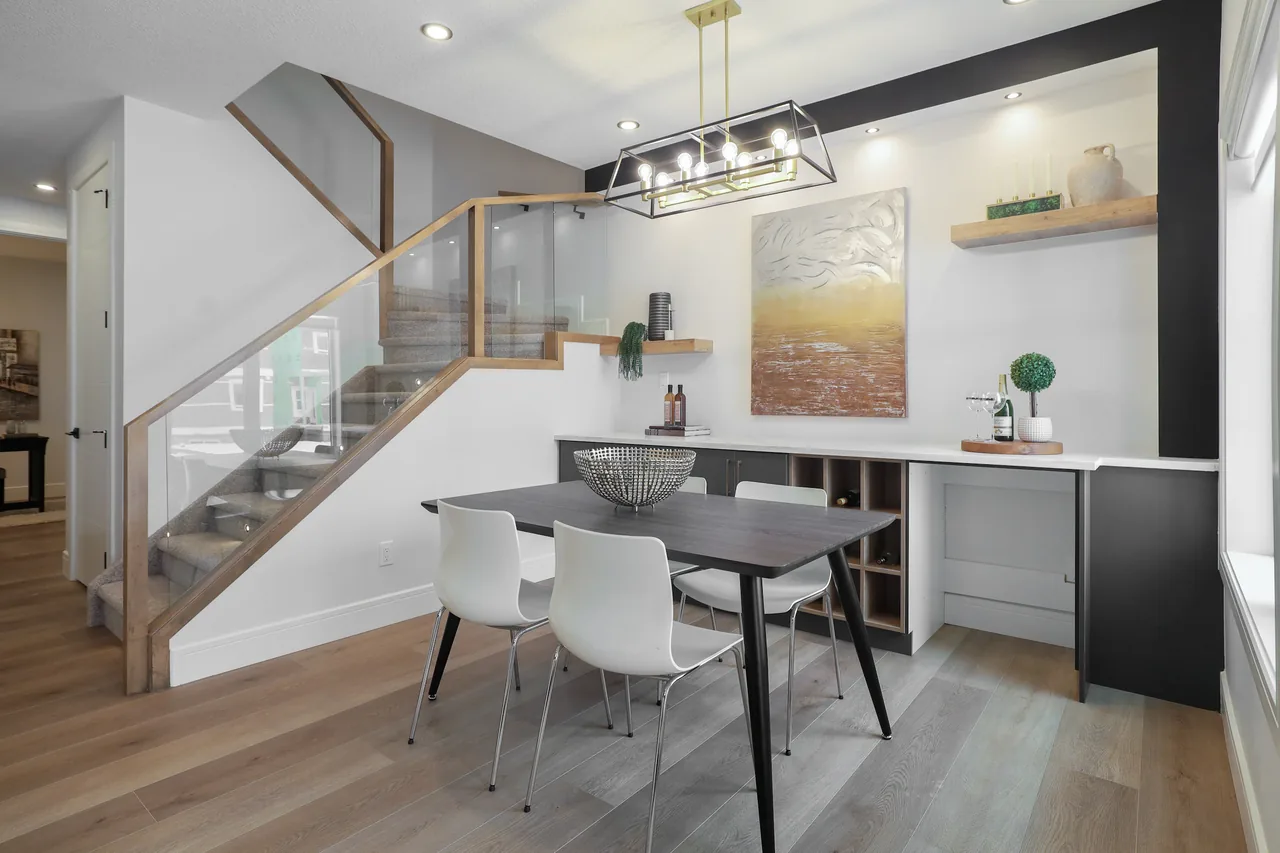
Basement remodeling in Florida is the reworking of an already-finished lower level — new layout, new finishes, or a new use — and in this climate the redesign has to be governed by moisture, not driven by it. Florida basements are rare because the water table sits high, and the ones that exist were often finished years ago with no vapor management, so a remodel that simply swaps finishes inherits whatever moisture problem caused the musty smell, the soft trim, or the stained drywall in the first place. The right approach is the reverse of a normal remodel: we diagnose the moisture path first, correct it, and then let aggressive vapor management and flood-resistant finishes shape the design — wall assemblies that can dry, inorganic materials low on the wall, and a layout that respects where water shows up. That is the difference between a lower level you remodel once and one you remodel twice.
Watch
See Basement Remodeling Done Right in Florida
Basement Remodeling in Ponce de Leon: What Matters Locally
Local conditions decide a lot about basement-remodeling in Ponce de Leon. Here's what we account for:
In Ponce de Leon, seasonal temperature changes make acclimation and expansion gaps especially important.
Inland Ponce de Leon, in Holmes County, contends with slab moisture and sustained humidity more than salt exposure, which shapes subfloor prep and material choice for basement-remodeling.
The material under your feet matters most in Northwest Florida / Panhandle. Options for basement-remodeling in Ponce de Leon:
What Basement Remodeling Covers, and Why Diagnosis Comes First in Florida
Basement remodeling reworks an existing finished lower level rather than finishing a bare shell — selective demolition, layout changes, new finishes, and sometimes added rooms. In Florida, the moisture diagnosis comes first because a remodel that ignores why the old finish struggled is a remodel that fails the same way. Here is what a complete basement remodel involves.
- Moisture diagnosis — finding out why the existing finish smells musty, stains, or has soft trim before any new finish goes in
- Selective demolition — removing failed or dated finishes and exposing the wall and slab to assess the assembly behind them
- Vapor-managed rebuild — re-detailing the wall so it can dry, with a drainage gap where the old assembly trapped moisture
- Layout & new finishes — reconfiguring the space and installing flood-resistant, mold-resistant finishes that survive a wet event
- Added rooms where wanted — a bedroom, bath, or office worked into the remodel, detailed to the Florida Building Code where habitable
Why Did Your Lower Level's Finish Fail?
Free in-home visit, a moisture diagnosis, and a redesign matched to your space — written estimate, no pressure.
Moisture-Led Redesign: Why Vapor Management Governs the Plan
In a Florida basement remodel, vapor management is not a line item — it governs the whole design. Where the old assembly sealed moisture behind drywall against a damp below-grade wall, the remodel has to undo that and build something that breathes and dries. The finish choices, the layout, and the materials all follow from that.
- Diagnose before demolishing — identify whether the issue is vapor through the wall, bulk-water intrusion, or finishes that simply could not handle humidity
- Re-detail the wall to dry — replace a moisture-trapping assembly with a drainage or dimple layer that gives water a path out
- Flood-resistant finishes set the palette — inorganic, washable materials low on the wall drive the design rather than being an afterthought
- Layout that respects water — keeping moisture-sensitive uses and storage off the floor where water shows up first
- Mold-resistant drywall and mildew-resistant paint — because a below-grade Florida space stays humid even after the remodel
Why Florida Basement Remodeling Is Different
The high water table and a likely-flawed original finish shape every Florida basement remodel. A remodeler used to dry climates re-skins the room and moves on. In Florida, the existing finish usually has to be opened up, the moisture path corrected, and the new design built so the wall can dry and the materials can take water — because the groundwater that made basements rare here has not gone anywhere.
- The original finish diagnosed and the moisture cause corrected before any new finish is installed
- Wall assemblies re-detailed with a drainage gap so the wall can dry instead of trapping moisture as the old one did
- Flood-resistant, inorganic materials used low on the wall where Florida's water table and rain events put water first
- Mold-resistant drywall and mildew-resistant finishes throughout because the space stays humid below grade
- Any added bedroom, bath, or habitable use detailed to the Florida Building Code for egress and electrical, with permitting where required
Layout, Added Rooms, and Code in a Florida Basement Remodel
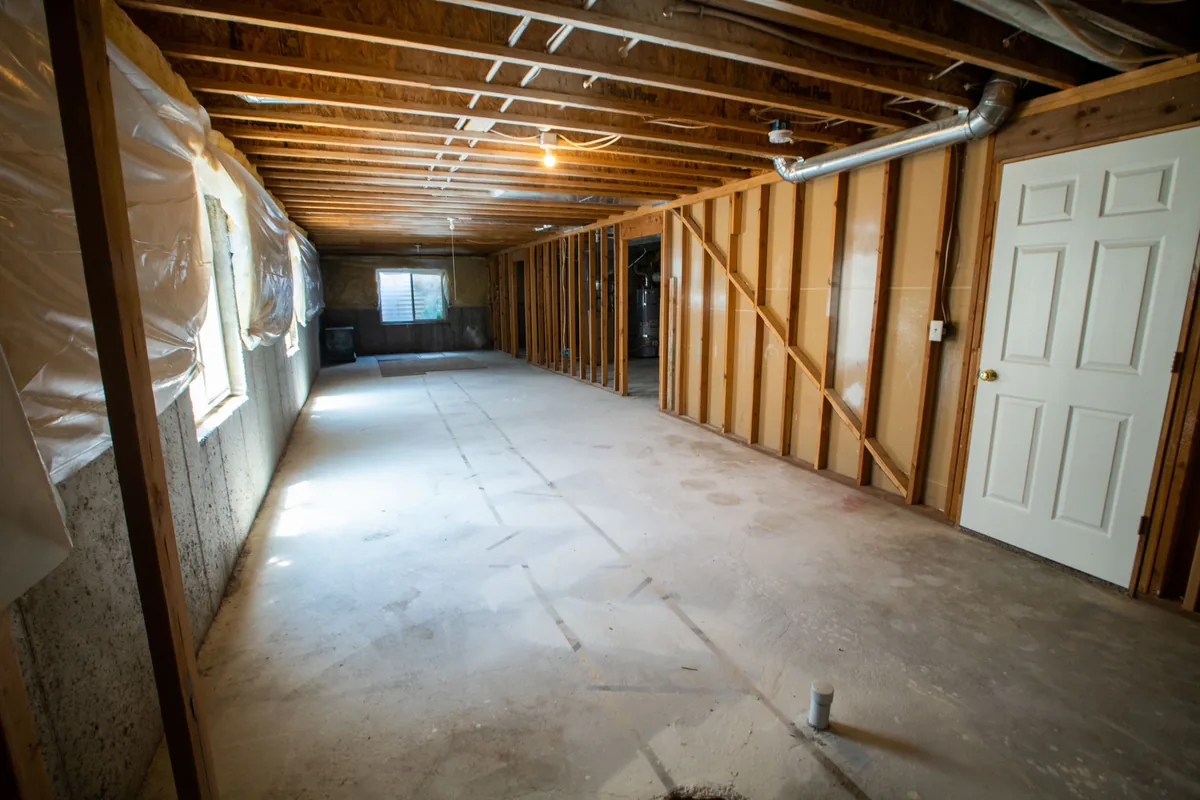
A remodel is the moment to fix the layout, not just the finishes. Many Florida lower levels were finished as one open, awkward room; a remodel can carve out a bedroom, a bath, an office, or a media area. The instant a remodel adds a habitable room — especially a bedroom — it brings Florida Building Code requirements for egress, ceiling height, and electrical into play.
We tell you during the estimate which parts of the remodel trigger permitting and code review, and we build to those requirements. See our drywall installation service for new walls, and we coordinate any plumbing or electrical with licensed trades.
Our 6-Step Basement Remodeling Process
Every Pro Work basement remodeling project follows the same six-step framework — built to fix the moisture, then deliver a dry, redesigned lower level in a Florida home.
- Free in-home consultation. We assess the existing finish, diagnose any moisture or odor issue, and talk through the layout and use you want. No commitment.
- Written estimate. Line-item breakdown — moisture correction, demolition, framing, electrical, drywall, flooring, finishing, and timeline. Delivered after the visit.
- Demolition & moisture correction. Failed finishes removed, the assembly assessed, the moisture path corrected, and the wall re-detailed to dry.
- Reframe & rough-in. New layout framed, any added rooms set out, insulation suited to a below-grade space, and electrical rough-in coordinated with licensed trades.
- Drywall, flooring & finish. Mold-resistant drywall, flood-resistant flooring and finishes low on the wall, then trim and mildew-resistant paint to a finished room.
A Lower Level You Remodel Once
Fast reply. Experienced crews. Moisture diagnosed and corrected, then redesigned. Done right, the first time.
How to Identify a Qualified Florida Basement Remodeler
A remodel that skips the moisture diagnosis just re-skins the same failure. Verify all of the following before signing anything:
- Diagnoses before demolishing
- A qualified Florida remodeler finds out why the old finish failed — vapor, bulk water, or wrong materials — before installing new ones. A quote that ignores the cause is a quote to fail twice.
- Re-details the wall to dry
- Where the original assembly trapped moisture, the remodel has to rebuild it to breathe. A reputable crew adds a drainage gap rather than re-sealing the wall.
- Lets flood-resistant materials lead
- In a below-grade Florida space, inorganic, washable finishes low on the wall should drive the design. An installer who runs carpet and paper-faced board to the floor again is repeating the mistake.
- Specs mold-resistant drywall
- The space stays humid after the remodel. Paperless or treated board resists mold where standard drywall feeds it. Ask what board is going back on the walls.
- Handles egress and code on added rooms
- Adding a bedroom or bath brings the Florida Building Code into play. A remodeler who addresses egress, headroom, and electrical up front is protecting you.
Florida Basement Remodeling Case Study
Our Installation Standards
Every Pro Work basement remodeling project meets these installation standards:
- Florida Building Code compliance
- Egress, headroom, and electrical detailed to the FBC where the remodel adds habitable rooms, with permitting where required.
- Moisture-led redesign
- Diagnosis of the original failure, a corrected moisture path, a wall that dries, and flood-resistant materials governing the finishes — the strategy that keeps a remodeled Florida basement dry.
Why Florida Homeowners Choose Pro Work for Basement Remodeling
Most remodelers re-skin a lower level and hand it back. We treat the Florida water table and the reason the old finish struggled as the project. The same crew that redesigns the room also diagnoses the moisture, corrects the path, and lets flood-resistant materials lead — so you remodel the space once.
- Diagnosis first. We find out why the old finish failed before installing a new one — the step that keeps the problem from returning.
- Rebuilt to dry. A re-detailed wall with a drainage gap, not a re-sealed assembly that traps moisture again.
- Free in-home estimate. On-site moisture diagnosis, line-item breakdown, no high-pressure sales tactic.
- Flood-resistant by design. Inorganic, washable finishes lead the palette, not get tacked on.
- Layout and code handled. New rooms, egress, and electrical addressed to the Florida Building Code.
Related Remodeling Work We Coordinate
A basement remodel in Florida pulls in several trades. We hold it under one crew so the redesigned lower level comes together cleanly:
- Basement Finishing — finishing a bare shell for the first time rather than reworking an existing finish.
- Drywall Installation — mold-resistant board on the rebuilt below-grade walls.
- Interior Painting — mildew-resistant paint to finish the redesigned space.
- All Additional Spaces — room conversions and remodels under one crew.
Basement Remodeling Near Ponce de Leon
Beyond Ponce de Leon, our basement-remodeling crews regularly work these nearby areas: