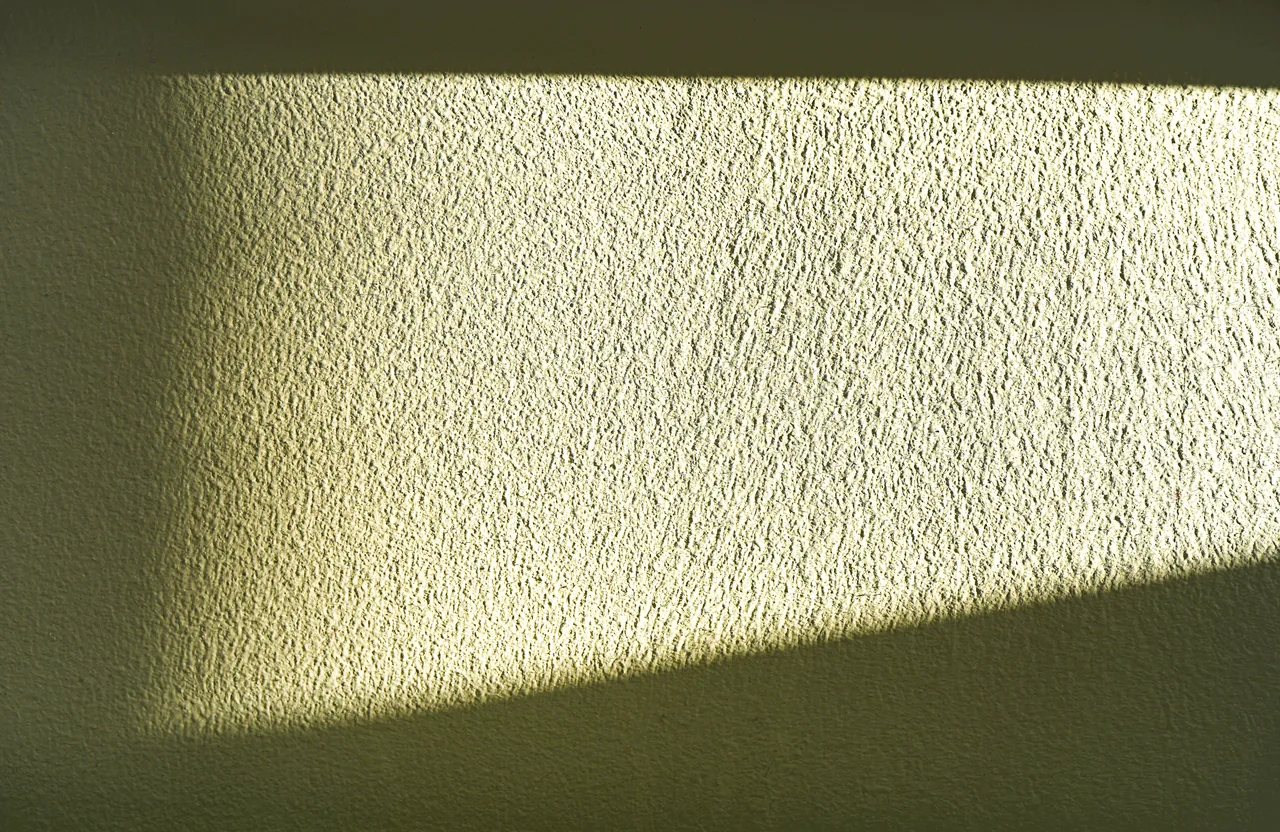
Wall texturing in Florida is the finishing step that gives a wall or ceiling its surface character — a knockdown mottle, an orange-peel spatter, or a hand-troweled skip pattern — and, just as often here, the step that makes a repair vanish. After a Florida leak, a roof failure, or a hurricane, the cut-out drywall gets replaced flat while the wall around it stays textured, and the single thing that decides whether the patch shows is the texture match. We sample the existing pattern, reproduce it by tuning the spray pressure, the mud consistency, and the knockdown timing, then feather the new texture into the old so the seam disappears. Because joint compound dries by giving up moisture, Florida's humidity changes that timing — and an installer who works here adjusts for it so the texture sets evenly instead of flashing or staying gummy.
Watch
See Wall Texturing Done Right in Florida
Wall Texturing in Venice: What Matters Locally
What makes wall-texturing in Venice different starts with the environment your floors live in:
Coastal living in Venice is tough on floors. We plan wall-texturing to handle salt, moisture, and heat together.
As a coastal Sarasota County community, Venice sees salt air and high humidity all year, so moisture control and material selection lead every wall-texturing decision.
Each wall-texturing material carries trade-offs in Venice's climate. A quick comparison:
What Wall Texture Is, and the Patterns We Apply
Wall texture is joint compound applied to a finished drywall surface in a deliberate pattern, both for looks and to hide minor surface variation. Texture is near-universal in Florida homes, and a handful of patterns cover almost every wall and ceiling here.
- Knockdown — joint compound sprayed on, then the peaks flattened with a knife after a brief set, leaving a soft, mottled, stucco-like finish; the most common Florida wall texture
- Orange-peel — a finer spatter sprayed and left unflattened, looking like the skin of an orange; common on walls and ceilings in newer homes
- Skip-trowel — a hand-applied finish dragged with a trowel for a flatter, more custom look in higher-end homes
- Smooth / level-5 — a fully smooth finish where no texture is wanted, which takes the most prep to get right
- Ceiling texture — knockdown or a light spatter on ceilings, often applied after dated popcorn is removed and the surface floated smooth
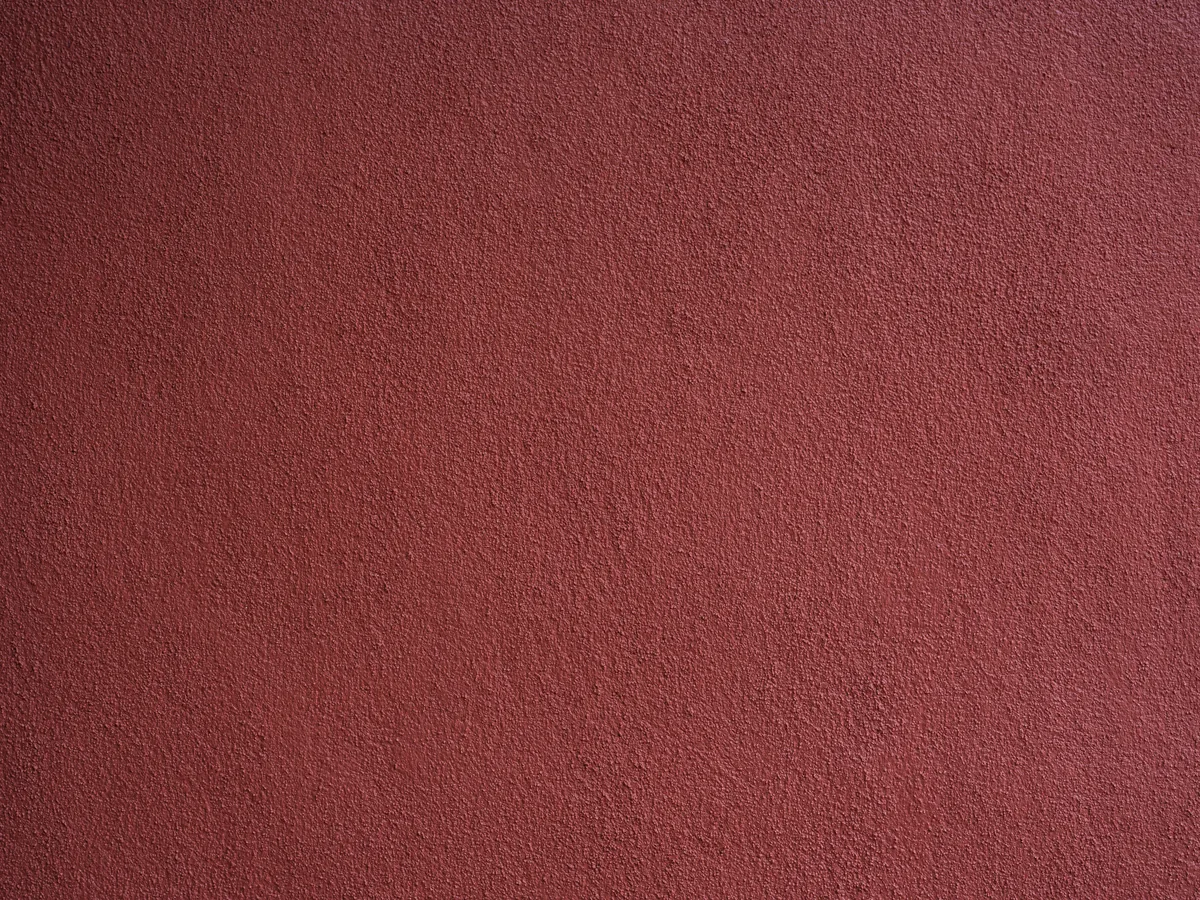
Need a Patch to Disappear?
Free in-home visit, a texture-match assessment, and a plan to blend the repair into your wall — written estimate, no pressure.
Why Texture Matching Is the Whole Game on a Repair
A texture match lives or dies on three variables most homeowners never think about. Get them right and the patch vanishes; get them wrong and a halo catches every angle of light for the life of the wall. Matching an existing knockdown or orange-peel takes a practiced eye and a tuned hopper.
- Spray pressure and tip size — these set how coarse or fine the spatter lands, the difference between a heavy knockdown and a tight orange-peel
- Mud consistency — joint compound thinned to the right body so the texture builds the same profile as the surrounding wall
- Knockdown timing — how long the compound sits before the knife flattens it, which controls how flat or peaked the finish reads
- Feathering into the existing wall — the new texture carried past the patch edge and blended so there is no hard line
- Sheen and paint match — primer and a paint that matches color and sheen, because a texture match still shows if the paint does not
Why Florida Wall Texturing Is Different
Humidity and moisture repair drive most of the texturing work here. Florida walls see leaks, storm intrusion, and the occasional plumbing failure, and every one of those repairs ends with a texture-match step. The climate also changes how the compound behaves on the wall.
- Texture matching after storm, roof-leak, and plumbing repairs is core Florida work — a consistent finish is what makes the patch disappear
- Humidity slows joint-compound set, so the knockdown timing and mud consistency are adjusted for the room's moisture
- Mold-conscious sequencing — the moisture source is corrected and the drywall sound and dry before any texture goes on, so the repair does not trap a problem
- Ceiling texture and popcorn-removal redos are common in older Florida homes refreshing dated finishes
- Coordination with drywall and paint so a repair runs straight through from patch to finished, painted wall under one crew
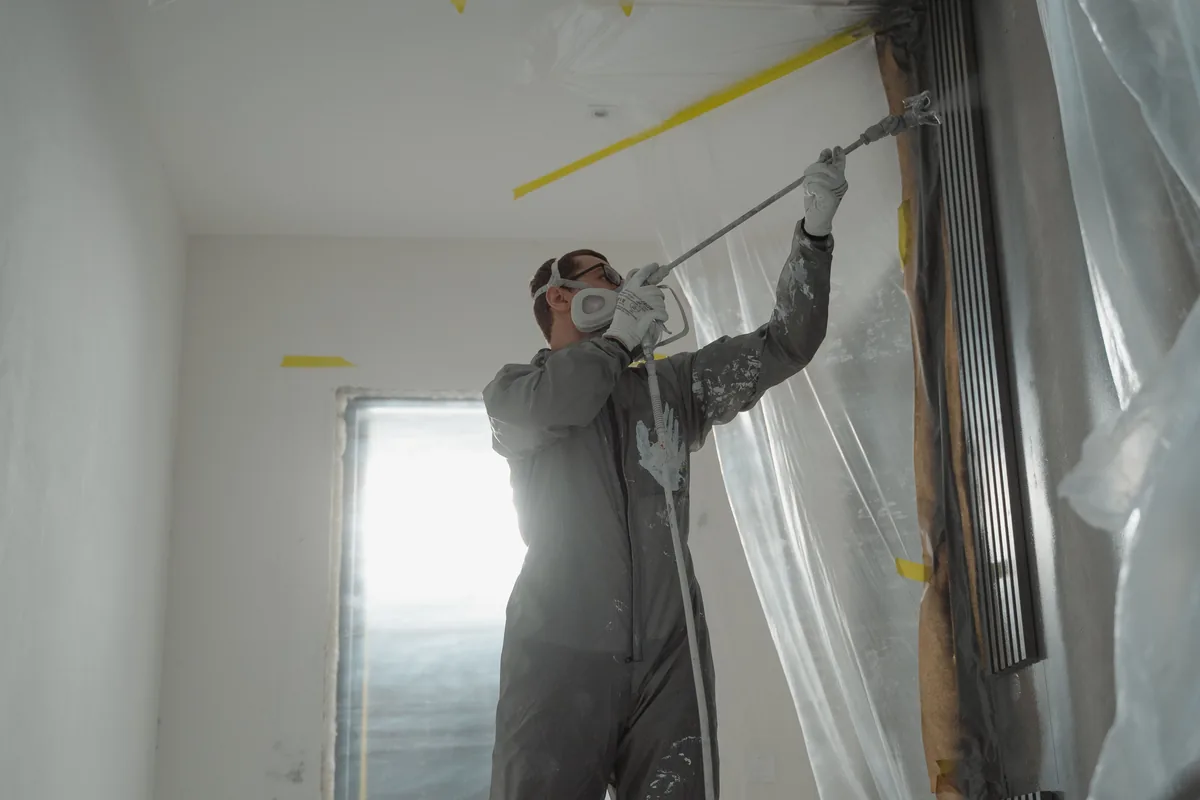
Materials We Texture With
The compound and primer decide how the texture sets and holds in Florida humidity. We use established joint compounds and primers chosen for an even set, a consistent profile, and a clean base for paint, and we prime the texture as part of the work.
- USG Sheetrock joint compound & texture
- ProForm / National Gypsum finishing compound
- Graco texture sprayers & hoppers
- Homax texture & touch-up products
- Sherwin-Williams / Benjamin Moore primers
- Zinsser stain-blocking primer for repairs
- FibaTape joint reinforcement
- Trim-Tex drywall beads & profiles
Matching a Remodel or Refreshing a Whole Home
Texturing is not only for repairs. When a room is added or a wall is moved, the new drywall has to be textured to match the rest of the house, and an aging home can be refreshed by retexturing tired walls and ceilings in a current finish. We match the existing pattern on an addition, or apply a fresh, consistent texture across a whole home so every wall reads the same.
If your texturing follows a drywall repair or precedes new paint, we run it as one job. Drywall Repair Estimate →
Florida Building Code and Permits for Texturing
Wall and ceiling texturing is cosmetic finishing that does not require a permit on its own. The picture only changes when the texture is the last step of a larger repair — if that repair involved structural, electrical, or moisture work, those portions can fall under the Florida Building Code, handled by the right licensed trade.
We tell you during the estimate whether your project includes anything beyond finishing, and we make sure any moisture source behind a repair is corrected and dry before texture goes on.
Our 6-Step Wall Texturing Process
- Free in-home consultation. We look at the existing texture, identify the pattern, and confirm whether the job is a full retexture or a blend into an existing wall. No commitment.
- Written estimate. Line-item breakdown — surface prep, texture application, priming, and timeline. Delivered after the visit.
- Texture matching. For a repair blend, we sample the existing pattern and dial in the spray pressure, mud consistency, and knockdown timing so the patch disappears.
- Surface prep & masking. Walls cleaned and sound, repairs taped and floated flat, and the room masked so texture lands only where intended.
- Texture application. Compound sprayed or troweled to the chosen pattern, knocked down or finished on the right timing for Florida humidity so it sets evenly.
Make the Repair Vanish
Fast reply. Texture sampled, matched, and feathered into your wall. A finish you cannot find the patch in.
How to Identify a Qualified Florida Texturing Pro
Anyone can load a hopper; matching an existing texture so a repair disappears takes a practiced eye and an installer who works in Florida's humidity. Verify all of the following before signing anything:
- Samples and matches your existing texture
- A qualified pro tests the spray and knockdown on a board to match your pattern before touching the wall. If the plan is to spray and hope, the patch will show.
- Adjusts timing for Florida humidity
- High indoor humidity slows the set and changes knockdown timing. Ask how they handle the timing so the texture sets evenly instead of flashing.
- Corrects the moisture source first
- On a repair, the leak or intrusion must be fixed and the drywall dry before texture goes on. Confirm the sequence so the repair does not trap a problem.
- Feathers the texture into the wall
- The new texture should carry past the patch and blend with no hard line. Ask how they avoid a visible edge.
- Primes and coordinates paint
- A texture match still shows if the paint sheen is off. Confirm the texture is primed and the paint matched.
Florida Wall Texturing Case Study
Our Installation Standards
Every Pro Work wall texturing project meets these installation standards:
- Florida Building Code compliance
- Any structural, electrical, or moisture work behind a larger repair handled by the right licensed trade to FBC requirements before texture is applied.
- Moisture-correct sequencing
- The moisture source corrected and the drywall sound and dry before texture goes on — the step that keeps a Florida repair from trapping a problem.
Why Florida Homeowners Choose Pro Work for Texturing
Most crews spray a texture and call it close enough. We sample your pattern, tune the hopper, and feather the new texture into the wall, because that is what makes a Florida repair disappear. The same crew that matches the texture also corrects the sequence, primes the patch, and coordinates the paint.
- Texture sampled and matched. We test on a board and dial in the spray and knockdown to your pattern before touching the wall.
- Tuned for Florida humidity. Timing and mud consistency adjusted so the texture sets evenly, not gummy or flashed.
- Free in-home estimate. On-site match assessment, line-item breakdown, no high-pressure sales tactic.
- Moisture-correct sequence. The leak fixed and the wall dry before texture goes on.
- Patch to paint, one crew. Drywall, texture, and paint coordinated so the repair runs straight through.
Related Wall & Surface Work We Coordinate
A texturing project in Florida usually connects to a repair or a refresh. We hold it under one crew so the wall runs straight through from patch to paint:
- Drywall Repair — cutting out and floating the damaged area flat before the texture match.
- Drywall Installation — new board for additions and moved walls, then textured to match.
- Interior Painting — primer and a paint matched to color and sheen so the texture match holds.
- Trim Installation — casing and trim refreshed alongside a retextured room.
Wall Texturing Near Venice
We also handle wall-texturing in cities near Venice, across Sarasota County and Southwest Florida / Gulf Coast: