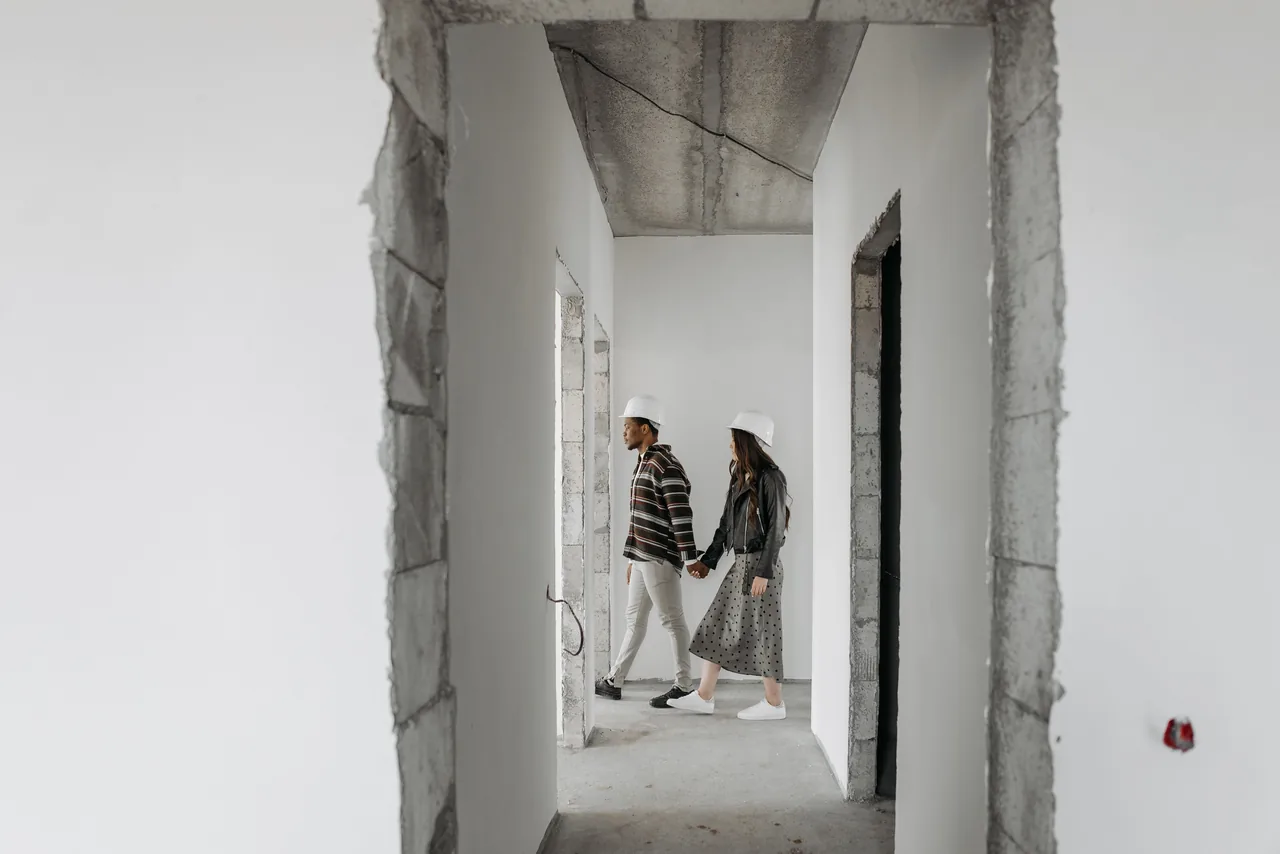
General contracting in Florida means putting one accountable party in charge of an entire construction project — a general contractor who owns the scope, the drawings, the FBC permit process, every subcontracted trade, the materials, and the inspections. Instead of a homeowner juggling a framer, an electrician, a plumber, a supply house, and a building inspector, the general contractor sequences all of it under one schedule and stands behind the result. In Florida that role carries extra weight: the structure has to be engineered for hurricane wind load, the materials have to survive slab moisture and humidity, and the work has to satisfy a building code that is among the strictest in the country. We run the project against three things a low-bid crew skips — the permit process, an engineered load path, and humidity- and flood-tolerant assemblies — so the finished work passes.
Watch
See General Contracting Done Right in Florida
General Contracting in Wildwood: What Matters Locally
What makes general-contracting in Wildwood different starts with the environment your floors live in:
Inland Wildwood sees less salt exposure, but humidity and slab moisture still drive general-contracting decisions.
Inland Wildwood, in Sumter County, contends with slab moisture and sustained humidity more than salt exposure, which shapes subfloor prep and material choice for general-contracting.
Some materials thrive in Central Florida; others fail early. For general-contracting in Wildwood, here's the breakdown:
What Does a General Contractor Do in Florida?
A general contractor is the single point of responsibility for a build. We do not just swing hammers — we manage the project from the first walkthrough to the final inspection so the homeowner has one number to call and one party accountable for the outcome.
- Scope and budget — defining exactly what gets built, what it costs, and where the money goes, line by line
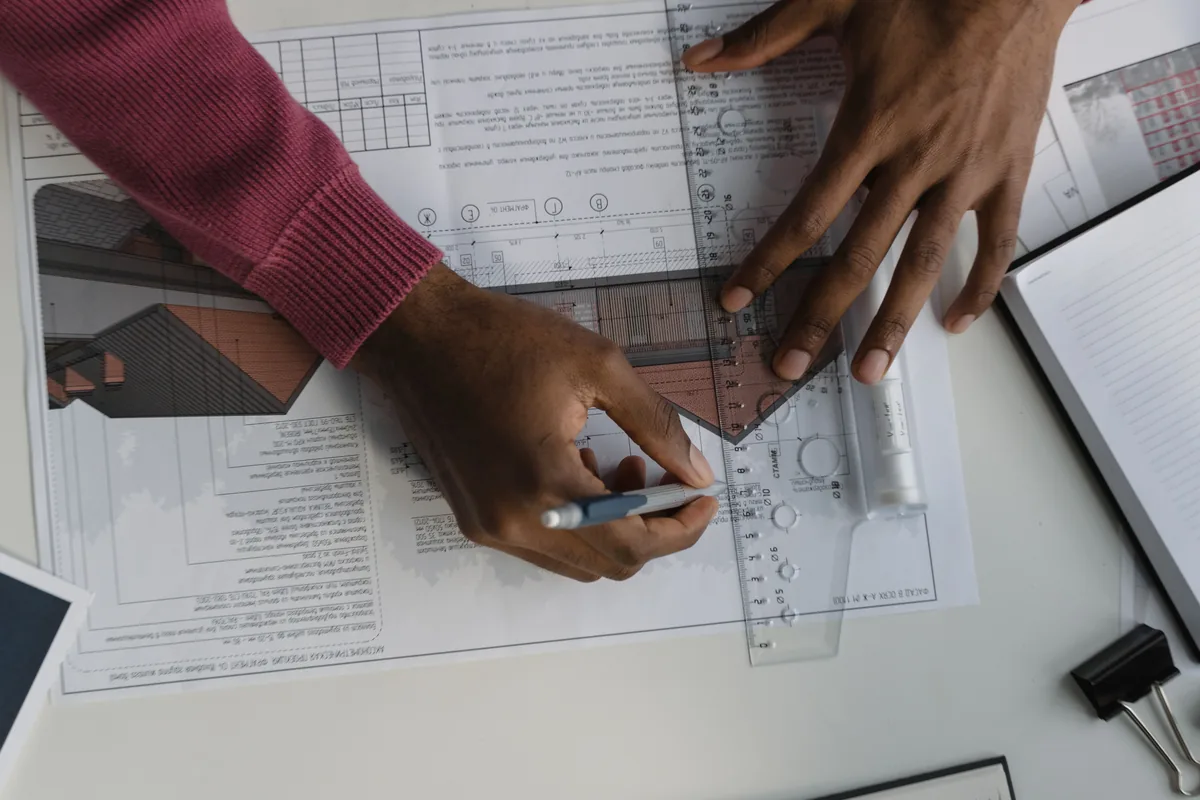
- Drawings and engineering — construction documents and, where structure is involved, an engineered load path stamped for Florida wind
- Permit process — the application, plan review, and the permit itself, plus HVHZ product-approval paperwork where required
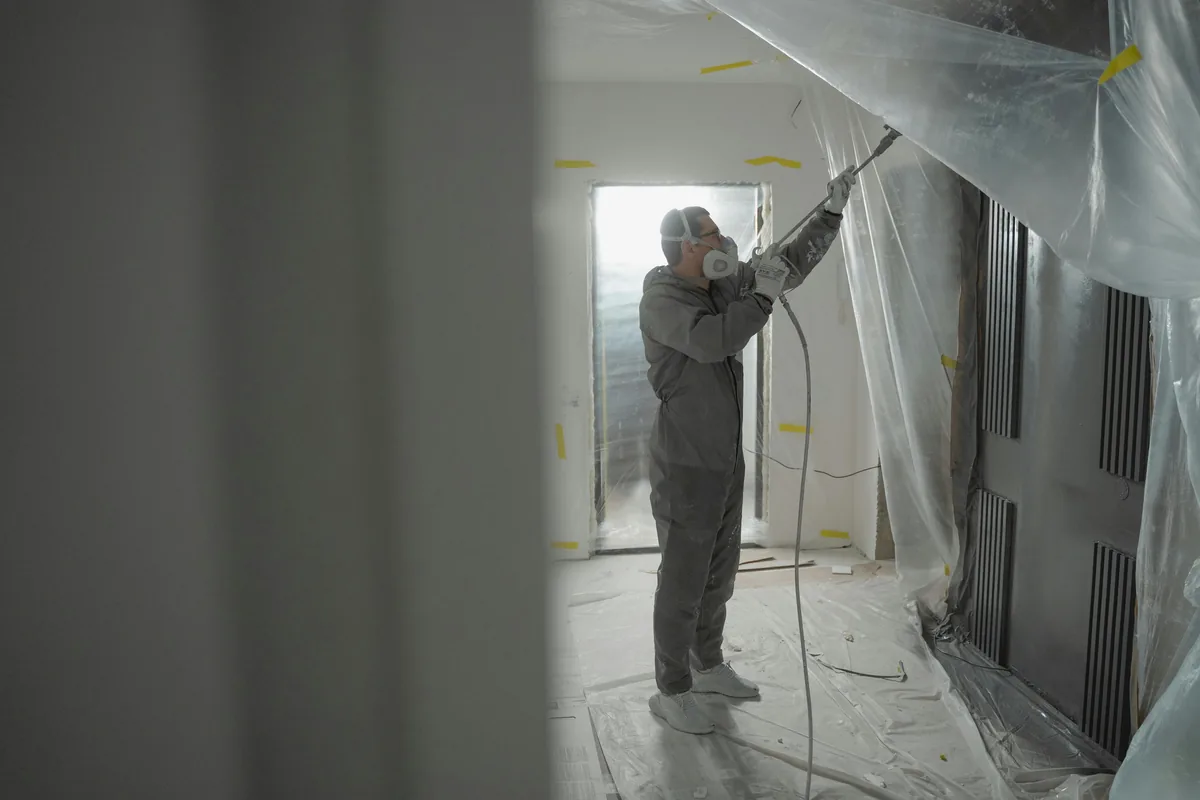
- Trade coordination — scheduling and supervising framing, electrical, plumbing, mechanical, and finish trades in the right order
- Material procurement — ordering the right specified products so the job is not waiting on a back-ordered window
- Inspections — standing for each required inspection so the work is documented and legal
Tired of Chasing Trades Yourself?
Free consultation, a scope and Florida Building Code review, and a written estimate with one crew running the whole job — no pressure.
The FBC Permit Process — and Why We Handle It
The permit is what makes the work legal, insurable, and sellable — and in Florida it is not optional for structural, electrical, plumbing, mechanical, or footprint-changing work. Unpermitted work that surfaces during a home sale can collapse the deal, and after a storm an insurer can deny a claim on construction that was never permitted or inspected. We take that whole burden off the homeowner.
- Application and drawings submitted to the local building department with the engineering the scope requires
- Plan review managed on your behalf, including responding to any reviewer comments so the permit does not stall
- HVHZ documentation — in High-Velocity Hurricane Zone areas (Miami-Dade, Broward, and other coastal South Florida jurisdictions) certain assemblies require a Florida Product Approval or Miami-Dade Notice of Acceptance, which we assemble
- Inspections scheduled and attended at each milestone so the work is signed off and on the record
Why Florida General Contracting Is Different
Wind and water set the rules. A competent contractor up north and a competent contractor in Florida are not building the same way. Florida structures must resist hurricane uplift, the envelope must shed wind-driven rain, and nearly everything sits on a slab that breathes moisture. The FBC codifies all of it.
- Continuous load path — an unbroken chain of connectors from roof to foundation so hurricane uplift cannot peel the structure apart
- Impact-rated glazing or tested shutters in the wind-borne debris region, with the heavier HVHZ standard in Miami-Dade and Broward
- Mold-resistant board, moisture-tolerant finishes, and waterproof flooring assemblies for slab-on-grade and high indoor humidity
- Flood-damage-resistant materials below the design flood elevation in flood-prone areas, so a flood is a cleanup rather than a teardown
- Building envelope detailing — flashing, sealants, and pressure-rated openings — tuned to keep storm-driven water out
Standards & Systems We Build To
The connectors and the rated assemblies matter more than the brand on the truck. Big-bid shortcuts — uncertified connectors, non-rated openings — are exactly what fails an inspection or a storm.
- Simpson Strong-Tie hurricane straps & connectors
- PGT / CGI impact-rated windows & doors
- ZIP System structural sheathing & tape
- James Hardie fiber-cement siding
- GAF / Owens Corning roofing systems
- DensArmor mold-resistant board for wet areas
- Miami-Dade NOA rated assemblies for HVHZ
- Florida Product Approval documented components
How We Coordinate the Trades
The difference between a smooth project and a stalled one is sequence. We run the trades in the order that keeps inspections passing and prevents rework — and we supervise the site so the schedule does not depend on the homeowner playing foreman.
Structure goes first, then rough-in mechanicals (electrical, plumbing, HVAC), then the rough inspections, then insulation and close-up, then finishes. Each trade arrives when the work in front of it is ready, and any scope that requires a separately licensed specialist is run by that specialist under our coordination. Whole-Home Renovation →
Our 6-Step General Contracting Process
- Free consultation & scope. We walk the project, define scope and budget, and flag what the Florida Building Code and HVHZ will require for your home. No commitment.
- Drawings & written estimate. Construction drawings and an engineered load path where structure is involved, plus a line-item estimate covering labor, materials, permits, and timeline.
- FBC permit process. We submit the application, carry it through plan review, and pull the permit — including HVHZ product-approval documentation where required.
- Trade coordination & build. We schedule and supervise every trade in the right sequence, with a single point of contact and daily site management.
- Inspections.
Skip the Coordination Headache
Fast reply. One crew from scope to inspection. Permits handled. Built to the Florida Building Code.
How to Identify a Qualified Florida General Contractor
The lowest bid is rarely the safest one. Verify all of the following before signing anything:
- Pulls the permit in the contractor's name
- A qualified Florida contractor handles the permit process and pulls it under their own responsibility. If you are asked to pull an owner-builder permit on structural work, that is a red flag.
- Engineering for any structural work
- Additions, wall removals, and second stories need stamped engineering for the wind-load load path. If the structure is not engineered, the work will not pass — or worse, will not hold in a storm.
- Written line-item estimate after a site visit
- A reputable contractor walks the project, reviews the scope, and itemizes labor, materials, permits, and timeline. A round-number phone quote with no site visit is a warning sign.
Florida General Contracting Case Study
Our Installation Standards
Every Pro Work general contracting project meets these installation standards:
- Florida Building Code compliance
- Built to FBC structural, moisture, and assembly requirements, with HVHZ product-approved materials where coastal South Florida requires them. We handle the permit process and the inspections.
- Engineered for Florida wind & water
- .
Why Florida Homeowners Choose Pro Work as Their General Contractor
Most low bids look cheaper because they leave something out — the permit, the engineering, or the supervision. We put all of it in, because that is what makes a Florida project pass and last. One accountable crew, one schedule
- Single point of responsibility. One number to call, one party accountable from scope to inspection.
- We handle the permit process. Application, plan review, HVHZ documentation, and inspections — off your plate.
- Engineered for Florida. Wind-load load path and humidity-tolerant materials, not a dry-climate spec.
- Free consultation & estimate. On-site walkthrough, code review, line-item breakdown, no high-pressure sales tactic.
- One crew, prep to finish. Trades sequenced under one schedule — no bouncing between contractors.
Related Work We Coordinate
A general contracting engagement in Florida usually pulls in several scopes. We hold them under one crew so the project moves as one:
- Home Additions — wind-load engineered square footage tied into your existing structure.
- Whole-Home Renovation — a top-to-bottom update sequenced across every trade.
- Permit Handling — the FBC application, plan review, and inspections, managed for you.
- Design Consultation — scope, material, and layout planning before construction begins.
General Contracting by Wildwood Neighborhood
Pro Work Flooring serves Wildwood neighborhood by neighborhood. Pick yours for local detail and a service-area map:
General Contracting Near Wildwood
Pro Work Flooring serves general-contracting in Wildwood and nearby communities, including: