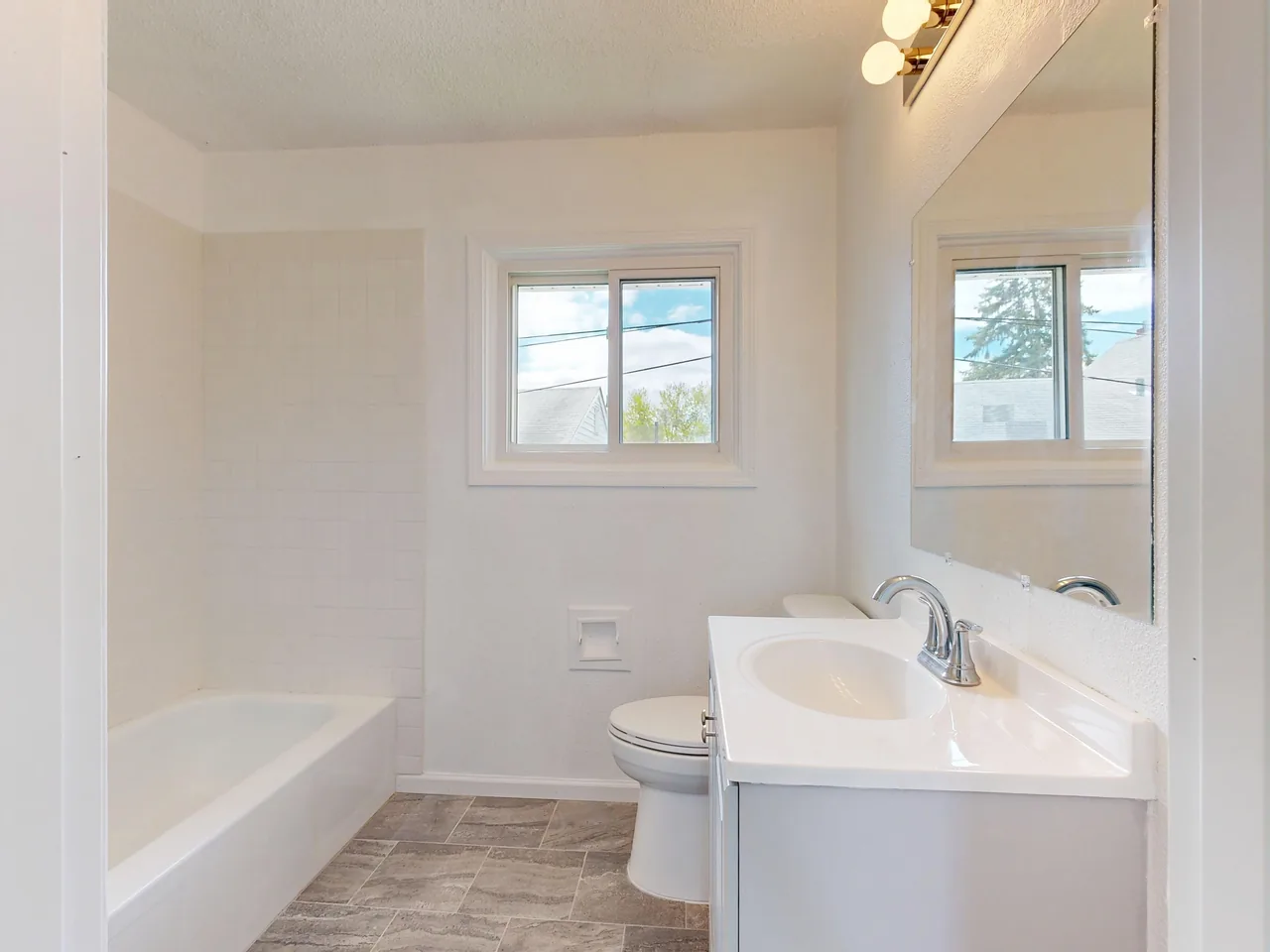
Ceramic tile installation in Florida means setting glazed ceramic tile — a fired-clay body with a hard, colored glaze on the face — on walls, backsplashes, and light-traffic floors where its lower cost makes sense. Ceramic is the value tile: it costs less than porcelain or stone, comes in the widest range of looks, and performs well in the right place. The catch in Florida is that its higher water absorption (roughly 3 to 7% versus porcelain's 0.5% or less) and softer glaze make tile selection a spec decision, not a color decision. The numbers that decide whether a ceramic job lasts here are the PEI rating matched to the traffic and the grout sealed against year-round humidity — not the price on the box. We assess the substrate, match the tile to the use, and seal the grout so a humid Florida bathroom does not turn the joints into a mildew strip.
Watch
See Ceramic Tile Installation Done Right in Florida
What Is Ceramic Tile, and Where Does It Win in Florida?
Ceramic tile is a fired-clay tile with a glazed surface, lighter and more absorbent than porcelain but far cheaper and available in more styles. It is the right tile for vertical surfaces and rooms that do not see heavy foot traffic — which covers a large share of any Florida home.
- Backsplashes — kitchen and bath backsplashes take splash and humidity but no traffic, so ceramic's lower cost and big style range win
- Bathroom and wet walls — glazed ceramic sheds surface water and wipes clean, ideal for tub surrounds and bathroom walls over the right board
- Light-traffic floors — guest baths, laundry rooms, and bedrooms when matched to a floor-rated PEI
- Accent and feature walls — the breadth of ceramic glazes and shapes makes it the budget choice for design moments
- Cost-driven projects — when a porcelain or stone budget does not fit, ceramic in the right location delivers a durable, sealed result
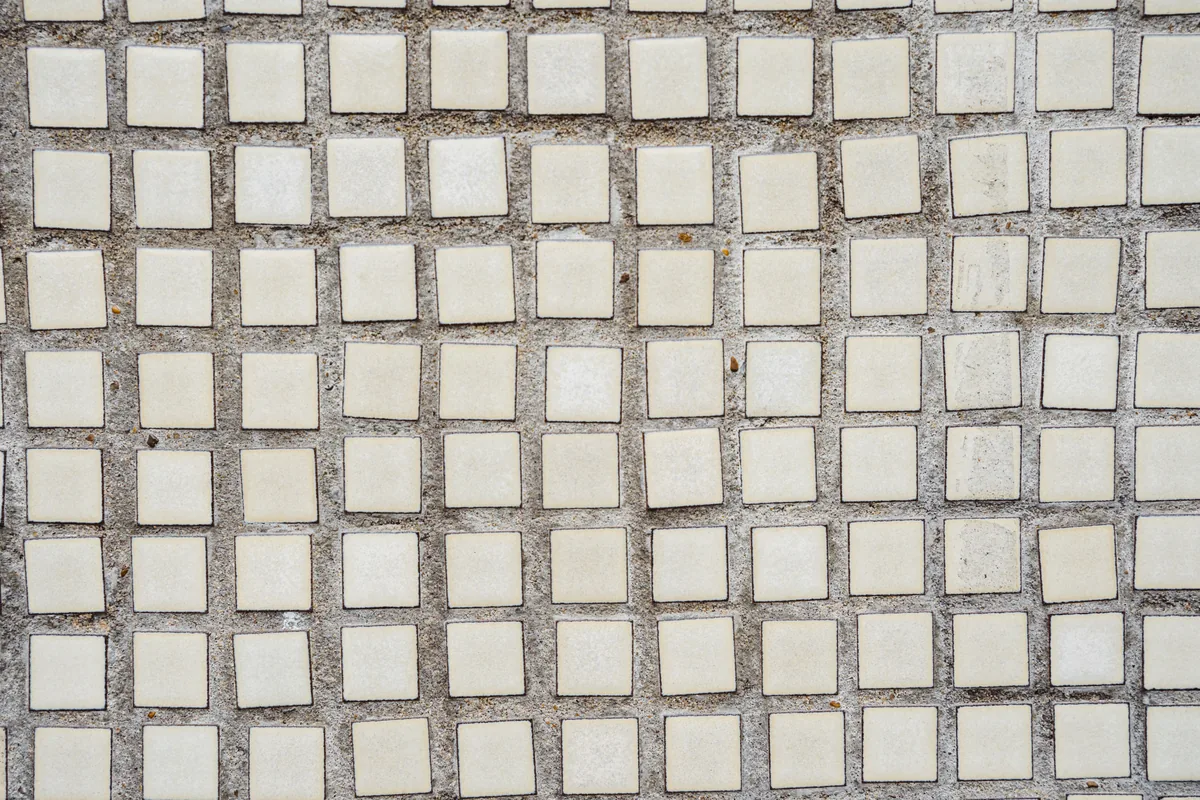
Wall, Backsplash, or Floor — Which Ceramic Fits?
Free in-home visit, substrate check, and a PEI-and-grout recommendation matched to where the tile is going — written estimate, no pressure.
PEI Rating: The Spec That Decides Where Ceramic Goes
The PEI rating is a ceramic tile's surface-wear grade, and in Florida it is the difference between a floor that holds up and one that dulls in a season. The Porcelain Enamel Institute scale runs 0 to 5, measuring how the glaze resists abrasion — and tracked-in Florida sand is abrasive.
- PEI 0–1 — walls only
- Decorative and wall tile not rated for any foot traffic. Perfect for backsplashes and accent walls, wrong for any floor.
- PEI 2 — light residential walls and very light floors
- Suitable for bathrooms with soft-soled traffic only. We avoid this underfoot in active Florida households.
- PEI 3 — light to moderate residential floors
- The minimum we specify for a residential Florida floor — guest baths, laundry rooms, and bedrooms.
- PEI 4 — heavy residential and light commercial
- Busy Florida households, entries, and main living areas. Where a high-traffic floor needs ceramic, this is the floor.
- PEI 5 — heavy commercial
- The toughest glaze grade, built for the heaviest traffic. For most homes this points toward porcelain instead.
For high-traffic and wet floors we often steer you to porcelain tile instead — its lower absorption and denser body outlast ceramic underfoot. Ceramic earns its place on walls, backsplashes, and the lighter-traffic rooms where its cost advantage is real.
Sealed Grout: Why Ceramic Joints Need It in Florida
The tile rarely fails first — the grout does. Standard cement grout is porous, and in a humid Florida bathroom or kitchen it stays damp, absorbs moisture, and breeds the mildew that discolors and crumbles the joints. The grout strategy is as important as the tile selection.
- Sealed cement grout — a penetrating grout sealer blocks moisture from soaking into cement joints, the baseline for any Florida ceramic install
- Epoxy grout for wet areas — does not absorb water at all, so showers and heavy-splash zones get a joint that gives mildew nothing to feed on
- Correct joint width — spacing matched to the tile so grout lines resist cracking and stay easy to clean
- Re-sealable — cement grout sealer is renewable, so the protection can be refreshed over the life of the floor
- Color-matched — grout selected to hide the dust and hard-water film a Florida home tracks in
Why Florida Ceramic Installs Are Different
Humidity and the slab change the ceramic playbook. Most Florida homes sit on slab-on-grade — concrete poured on the ground — and indoor relative humidity swings wide across the year. Ceramic's higher absorption and the porous grout around it both react to that moisture, so the install has to account for it.
- Substrate matched to the surface — backer board over wood, a flat clean slab on the ground floor, and a moisture-resistant board behind wet walls
- An uncoupling membrane on floors that see slab movement, so seasonal shift in the concrete does not crack the rigid ceramic
- Grout sealed or specified as epoxy so year-round humidity does not feed mildew in the joints
- Glaze and PEI matched to traffic so tracked-in sand does not dull a wall-rated tile used underfoot
- FBC-aware detailing, with HVHZ product-approved materials for coastal and South Florida projects where applicable
Brands We Install for Ceramic Tile
Glaze quality, body consistency, and the right setting system matter more than the look. Unbranded discount ceramic often varies in size and carries a softer glaze that wears quickly underfoot.
- Daltile glazed ceramic wall & floor
- Florida Tile ceramic & glazed bodies
- Marazzi ceramic & stone-look
- Emser ceramic field & trim
- American Olean residential ceramic
- Mapei / Laticrete thinset & grout
- Bostik epoxy & pre-mixed grout
- Custom Building Products sealers & setting
Will Your Walls or Floor Need Prep First?
Ceramic is only as sound as what it is bonded to. Drywall behind a wet wall needs a moisture-resistant or cement board, a wood floor needs a backer board, and an uneven slab needs leveling and often an uncoupling membrane. All of it is cheaper to handle before the tile goes up than after a grout-line failure.
We bundle substrate prep into the same visit and the same crew — assess, board, level, then set and seal — so your project does not bounce between a prep contractor and a tile setter. Floor Leveling Estimate
Florida Building Code, HVHZ, and Permits for Ceramic Tile
A like-for-like ceramic install over a sound existing substrate usually does not require a permit, because it is a surface finish rather than a structural change. The picture changes when the job involves a shower, wet-area waterproofing, slope-to-drain, or plumbing — that work can fall under the Florida Building Code, and in High-Velocity Hurricane Zone areas (Miami-Dade, Broward, and other coastal South Florida jurisdictions) certain assemblies and materials carry product-approval requirements.
Our 6-Step Ceramic Tile Process
- Free in-home consultation. We measure, inspect the substrate, and identify whether the surface is a wall, a light-traffic floor, or a wet area. You see ceramic options and a PEI recommendation matched to the use. No commitment.
- Written estimate. Line-item breakdown — tile, substrate prep, setting material, grout, sealing, and labor. Delivered after the visit so you see exactly what you are paying for.
- Substrate preparation. Backer board over wood, a clean flat slab on the ground floor, and an TCNA-spec uncoupling membrane where a floor sees slab movement. Wet walls get the correct moisture-resistant board.
- PEI & grout selection. Ceramic matched to a PEI rating for the traffic and grout selected for the moisture exposure — sealed cement grout or epoxy grout in humid and wet areas.
- Setting & grouting. Tile set in the correct thinset with full coverage, joints spaced and grouted, then grout sealed where cement grout is used. Daily cleanup, single point of contact.
Skip the Bargain-Tile Gamble
Fast reply. PEI-matched, grout sealed. Ceramic done right the first time.
How to Identify a Qualified Florida Ceramic Tile Installer
The tile matters less than the hands that set it and the spec they choose. A cheap ceramic glaze used on the wrong floor will dull no matter who installs it. Verify all of the following before signing anything:
- PEI rating matched to the surface
- A qualified Florida installer specifies a floor-rated PEI for floors and never uses wall-rated ceramic underfoot. If nobody mentions PEI, the tile selection is a guess.
- Grout sealed or specified as epoxy
- In humid Florida, cement grout must be sealed and wet areas should get epoxy grout. If grout sealing is not in the scope, the joints will mildew.
- Substrate prep included
- Backer board over wood, leveling on a wavy slab, and an uncoupling membrane where the slab moves. Tile set straight to drywall or a moving slab cracks and loosens.
- Written line-item estimate after a site visit
- A reputable installer measures on-site, checks the substrate, and itemizes tile, prep, setting material, grout, and labor. A phone quote with no inspection is a red flag.
- TCNA-spec setting materials
- The correct thinset, full coverage, and proper joint spacing per TCNA guidance. Spot-bonding and the wrong mortar cause hollow, loose tile.
Florida Ceramic Tile Case Study
Our Installation Standards
Every Pro Work ceramic tile project meets these installation standards:
- Florida Building Code compliance
- Wet-area work installed to FBC waterproofing and assembly requirements, with HVHZ product-approved materials where coastal South Florida requires them.
- Sealed-grout assembly
- Cement grout sealed and wet areas grouted with epoxy — the step that prevents the mildewed, crumbling joints humid Florida bathrooms are known for.
Why Florida Homeowners Choose Pro Work for Ceramic Tile
Most tile crews set whatever tile you hand them without questioning where it belongs. We treat the spec as the project. The same installer who recommends your tile also rates it to the traffic, preps the substrate, and seals the grout — so a budget ceramic floor actually performs in Florida.
- Spec'd to the surface. We match PEI rating and grout to walls, floors, and wet areas — not a one-tile-fits-all approach.
- Grout sealed every job. The most-skipped step on a Florida ceramic install, and the one that causes the most mildew complaints.
- Honest about porcelain. When a high-traffic or wet floor calls for porcelain, we say so instead of selling you the wrong ceramic.
- Free in-home estimate. On-site measurement, substrate check, line-item breakdown, no high-pressure sales tactic.
Related Tile Work We Coordinate
A ceramic project in Florida often pairs with other tile and wet-area work. We hold it all under one crew so the surfaces tie together and the moisture detailing is continuous:
- Wall & Backsplash Tile — ceramic walls and backsplashes with sealed grout, the natural home for ceramic.
- Floor Tile — PEI-matched ceramic or porcelain floors set over an uncoupling membrane on slab.
- Bathroom Tile — full wet-room tiling with waterproofing and mold-resistant grout.
- Grout Sealing — penetrating sealer to block moisture and mold in cement grout joints.