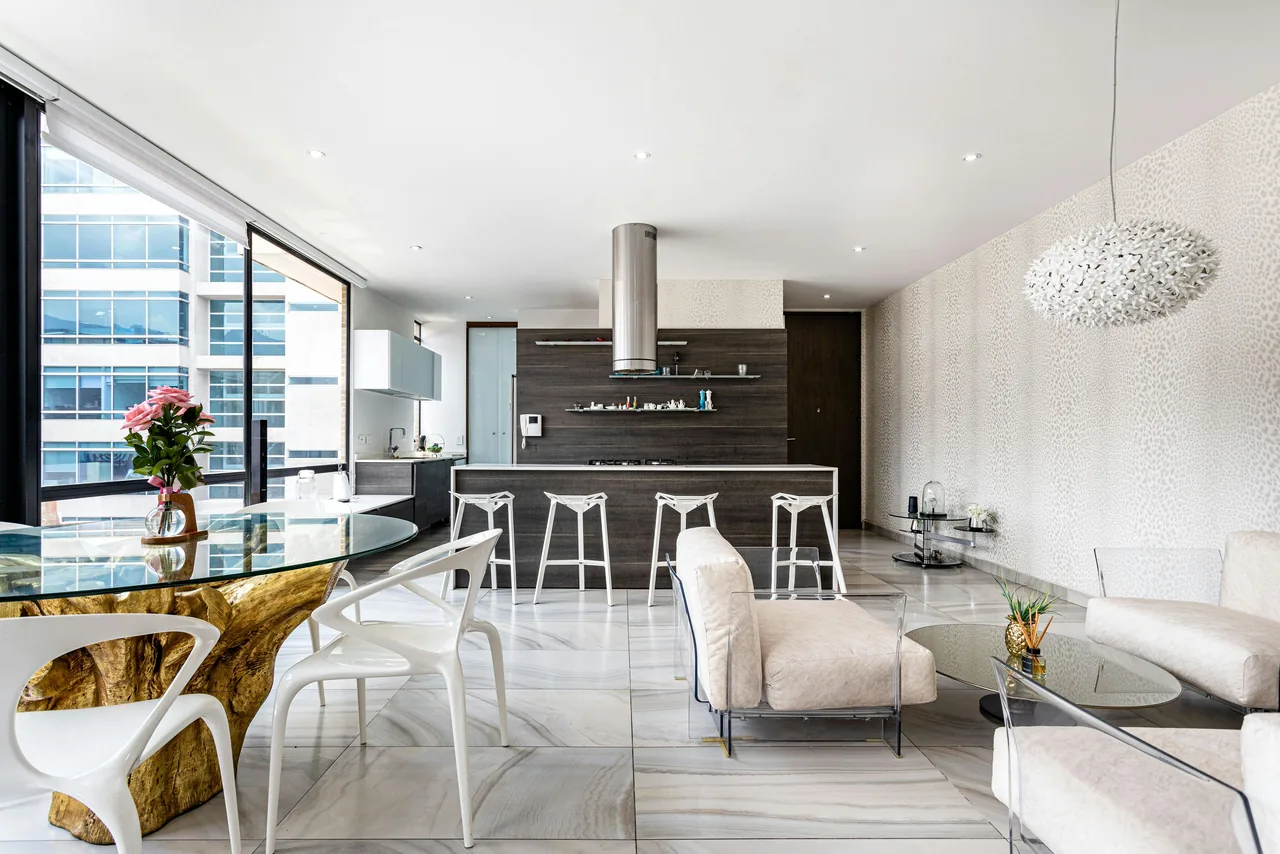
Natural stone tile installation in Florida means setting quarried stone — travertine, limestone, slate, and similar materials — and then defending it against the two things this climate throws at porous stone: humidity-driven moisture and, near the coast, salt air. Unlike fired porcelain or ceramic, natural stone is porous: it absorbs water, stains from spills, and on a Florida slab it can develop efflorescence — a white mineral chalk left when slab moisture carries dissolved salts up through the stone. The numbers that decide whether a stone job lasts here are not on a price tag; they are the sealing plan, the slab vapor mitigation behind it, and a finish chosen for slip safety. We mitigate the slab, pre-seal porous stone before it is set, seal again after grouting, and on coastal projects specify a sealer rated for salt air — so the stone reads as a luxury surface for years instead of staining in a season.
Watch
See Natural Stone Tile Installation Done Right in Florida
What Is Natural Stone Tile, and How Does It Behave in Florida?
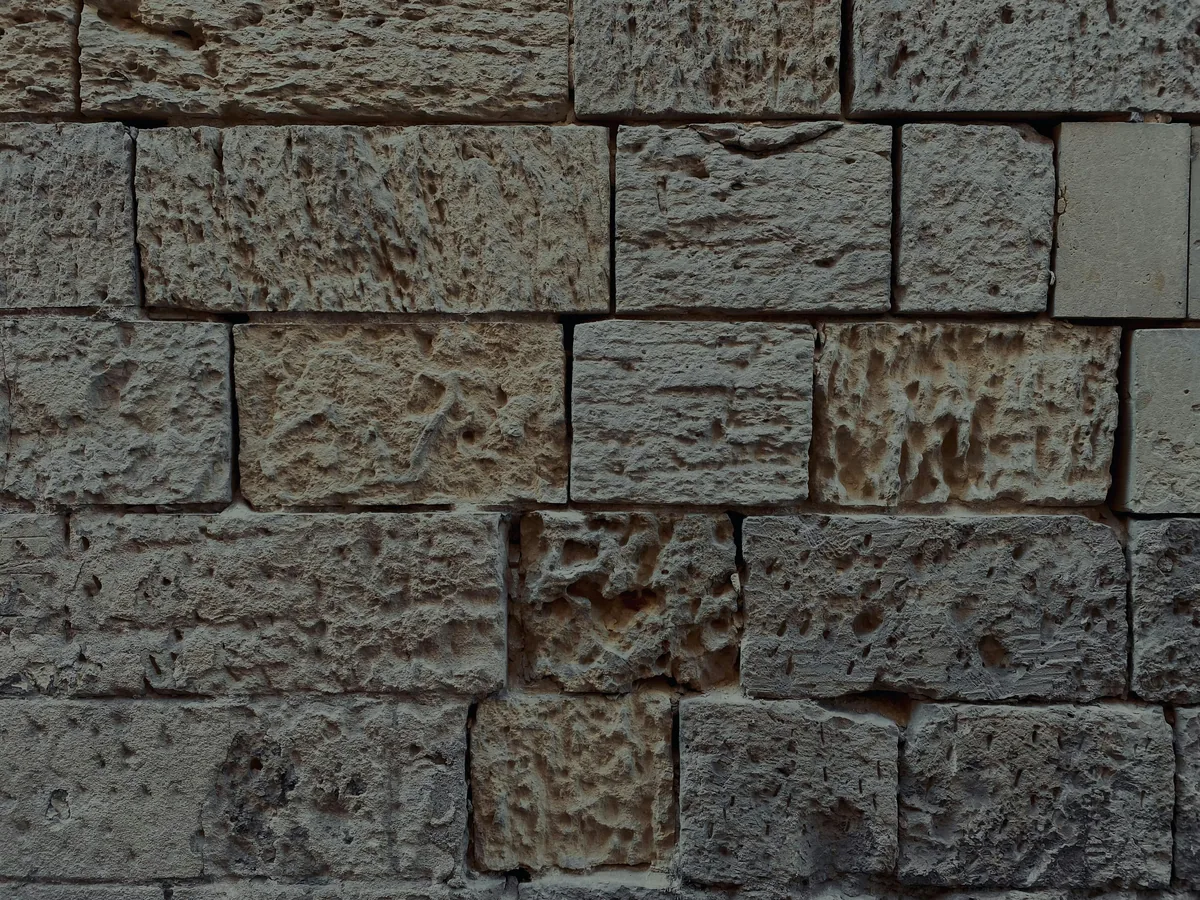
Natural stone tile is quarried, cut stone — not a manufactured, fired product — so each piece is unique and, critically, porous to some degree. In Florida that porosity is the whole story: it dictates sealing, cleaning, and where the stone belongs.
- Travertine — a calcareous stone with natural pits; warm, popular for floors and lanais, and highly absorbent, so sealing is mandatory in Florida
- Limestone — soft and calcareous like travertine; elegant but acid-sensitive and porous, requiring sealing and pH-neutral care
- Slate — denser and naturally slip-textured, a strong floor stone, still sealed to resist staining and flaking in humidity
- Granite tile — the hardest common stone, lower absorption, but still sealed for stain resistance on floors and counters
- Marble — covered in depth on our marble tile page; the most acid-sensitive and the most demanding to seal and maintain
Which Stone Survives Your Florida Room?
Free in-home visit, slab and moisture check, and a stone-and-sealing recommendation matched to the room and your distance from the coast — written estimate, no pressure.
Sealing: The Spec That Keeps Florida Stone Clean
A penetrating sealer is not optional on natural stone in Florida — it is the install. The sealer soaks into the stone's pores and blocks water, spills, and dissolved salts from being absorbed. Without it, humidity and everyday spills stain the stone and feed efflorescence from below.
- Penetrating (impregnating) sealer — fills the pore structure without changing the look, the baseline for any Florida stone install
- Pre-sealing before grout — porous and light stone is sealed before grouting so thinset and grout haze do not stain the face
- Final seal after grouting — the stone and grout are sealed together once the joints cure
- Salt-air-rated sealer for the coast — coastal stone gets a sealer formulated to hold up to airborne salt, with more frequent renewal
- Re-sealable on a schedule — penetrating sealers are renewable; we set a re-seal interval matched to your stone and location
Efflorescence and Slab Vapor: The Florida Stone Failure
The most common Florida stone complaint is a white chalky film that keeps coming back. That is efflorescence — mineral salts dissolved in slab moisture, carried up through porous stone and grout, crystallizing on the surface as the water evaporates. It is a moisture problem, not a cleaning problem, and it is specific to porous materials over a damp slab.
- The slab is tested for moisture-vapor emission rate (MVER) before any stone goes down
- Vapor mitigation is added where the slab reads high, cutting off the moisture that drives salts to the surface
- Stone is pre-sealed so the pores resist carrying moisture and salt
- An uncoupling membrane isolates the stone from seasonal slab movement, which also helps manage moisture at the bond line
- The result is stone that stays the color you chose, not a recurring chalk film
Stone & Sealer Authority
The stone source and the sealer system matter more than the showroom photo. Bargain stone of inconsistent thickness and unknown absorption is far harder to seal and set flat.
- Daltile travertine, limestone & slate
- MSI natural stone collections
- Emser stone field & mosaics
- Miracle Sealants penetrating sealers
- Aqua Mix stone sealers & cleaners
- Laticrete / Mapei white thinset & non-acidic grout
- Schluter uncoupling & vapor management
- StoneTech stone care & pH-neutral cleaners
Will Your Slab Need Vapor Mitigation First?
Porous stone is unforgiving of a damp slab, and many older Florida slabs read high on moisture. Vapor mitigation and leveling are far cheaper to handle before the stone is set than after efflorescence keeps surfacing. We test the slab, mitigate where it reads high, and level and add an uncoupling membrane so the stone sits flat and isolated.
We bundle slab prep into the same visit and the same crew — moisture test, mitigate, level, then pre-seal, set, and seal — so your project does not bounce between a prep contractor and a stone setter. Floor Leveling Estimate
Florida Building Code, HVHZ, and Permits for Natural Stone
A like-for-like stone install over a sound existing substrate usually does not require a permit, because it is a surface finish rather than a structural change. The picture changes when the job involves a shower, wet-area waterproofing, slope-to-drain, or plumbing — that work can fall under the Florida Building Code, and in High-Velocity Hurricane Zone areas (Miami-Dade, Broward, and other coastal South Florida jurisdictions) certain assemblies and materials carry product-approval requirements.
Our 6-Step Natural Stone Process
Every Pro Work natural stone project follows the same six-step framework — built for sealed, stain-resistant, efflorescence-free stone in a Florida home.
- Free in-home consultation. We measure, inspect the substrate, and assess room moisture and, near the coast, salt-air exposure. You see stone options and a sealing plan matched to the stone and location. No commitment.
- Written estimate. Line-item breakdown — stone, substrate prep, setting material, grout, sealing, and labor. Delivered after the visit so you see exactly what you are paying for.
- Substrate prep & vapor mitigation. A clean, flat slab with MVER-driven vapor mitigation where it reads high, plus an uncoupling membrane to isolate the stone from slab movement.
- Pre-seal & set. Porous and light stone is pre-sealed before setting so thinset and grout do not stain the face, then set in white polymer-modified thinset with full coverage.
- Grout & final seal. Non-acidic grout placed to the correct joint, then a penetrating sealer applied to stone and grout. Coastal projects get a salt-air-rated sealer. Daily cleanup, single point of contact.
Skip the Stained-Stone Regret
Fast reply. Vapor-mitigated, pre-sealed, salt-air rated. Stone done right the first time.
How to Identify a Qualified Florida Natural Stone Installer
Stone is the least forgiving tile in Florida, and most failures trace to a setter who treated it like ceramic. Verify all of the following before signing anything:
- Sealing built into the scope
- A qualified Florida stone installer pre-seals porous stone before grouting and seals again after. If sealing is not itemized, the stone will stain.
- Slab moisture testing and vapor mitigation
- Efflorescence is a slab-moisture problem. The installer should test the slab and mitigate vapor where it reads high before setting porous stone.
- White thinset and non-acidic grout
- Light and translucent stone shows gray thinset through the face, and acidic products etch calcareous stone. Correct materials are non-negotiable.
- Coastal salt-air planning
- Near the coast, the installer should specify salt-air-rated stone and sealer and set a more frequent re-seal schedule. Generic specs fail at the beach.
- Honed or tumbled finish for wet floors
- Polished stone is slick when wet. A qualified installer selects honed or tumbled finishes for Florida floors, baths, and lanais for slip safety.
Florida Natural Stone Case Study
Our Installation Standards
Every Pro Work natural stone project meets these installation standards:
- Florida Building Code compliance
- Wet-area work installed to FBC waterproofing and assembly requirements, with HVHZ product-approved materials where coastal South Florida requires them.
- Sealed & vapor-mitigated assembly
- Porous stone pre-sealed and sealed again over a vapor-mitigated slab — the steps that prevent the staining and efflorescence Florida is famous for in natural stone.
Why Florida Homeowners Choose Pro Work for Natural Stone
Most tile crews set stone exactly like ceramic and skip the sealing and vapor work that stone demands in Florida. We treat the stone's porosity as the project. The same installer who recommends your stone also tests the slab, mitigates vapor, pre-seals, and seals again — so a luxury stone surface stays luxurious in this climate.
- Sealed before and after. Pre-sealing protects the face during setting; the final seal protects it for life.
- Slab tested and mitigated. The step that prevents recurring efflorescence under porous stone.
- Coastal-aware specs. Salt-air-rated stone and sealer near the coast, with a re-seal schedule to match.
- Free in-home estimate. On-site measurement, slab and moisture check, line-item breakdown, no high-pressure sales tactic.
Related Tile Work We Coordinate
A natural stone project in Florida often pairs with other tile and wet-area work. We hold it all under one crew so the surfaces tie together and the moisture detailing is continuous:
- Marble Tile — the most demanding stone, sealed and honed for humid, coastal Florida.
- Floor Tile — stone or porcelain floors set over an uncoupling membrane on slab.
- Bathroom Tile — full wet-room tiling with waterproofing behind sealed stone walls and floors.
- Grout Sealing — penetrating sealer to block moisture in stone and grout joints.