Niche & Curbless Detailing
A niche and a curbless entry are the two spots a Florida shower leaks first. Here is the bonded pan, the taped corners, and the single-plane slope to a linear drain that stop water for good.
10 min readRead →
Free In-Home Estimate
One Crew · Flooring to FinishOne Project Director · Statewide Florida Service
Free In-Home EstimateStatewide Florida
Pro Work Flooring Editorial
Waterproof ratings, wear-layer mils, PEI wear grades, Janka hardness, and slab MVER numbers — explained for the climate they have to survive. Humidity, slab-on-grade moisture, salt air, and the FBC: the Pro Work Flooring editorial by the install crew that does the work statewide.
400 articles · updated as specs and code change · one crew, flooring to finish.
/// The Latest ///
Material specs that decide whether a floor survives a Florida summer. Waterproof ratings, slab moisture limits, PEI wear grades, and FBC permit reality. The full archive — sorted newest first, filterable by topic and format above.
A niche and a curbless entry are the two spots a Florida shower leaks first. Here is the bonded pan, the taped corners, and the single-plane slope to a linear drain that stop water for good.
10 min readRead →
A covered-porch ceiling lives in unconditioned, salt-laden air. Here is how cypress, western red cedar, and cellular PVC compare, and why the fasteners matter as much as the boards.
10 min readRead →
Both add a private bed-and-bath space, but Florida draws the line at the kitchen and the meter. Here is the shared-versus-separate test that decides whether you built one dwelling or two.
11 min readRead →
The repair-or-replace call is material science, not leak size: swollen particleboard and MDF are irreversible and get replaced, while plywood and solid-wood boxes dry and repair. Here is the decision rule for a humid Florida home.
11 min readRead →
South Florida is IECC Zone 1A, the hottest, most humid designation in the continental US; the rest is Zone 2A. The zone changes which floor, how it is acclimated, and how hard the AC must work.
11 min readRead →
Cushion is optional; a sealed vapor retarder usually is not. Over a porous Florida slab, the layer that decides whether vinyl plank lasts is a 6-mil Class I poly barrier — even under attached-pad planks.
10 min readRead →
Soft-close hardware is more than convenience in Florida. The damper spares door and drawer joints that humidity already stresses — if you read the BHMA grade, the slide type, and the corrosion finish.
10 min readRead →
Salt air pits porous stone; impervious porcelain shrugs it off. And because a tiled slab floor is flood-survivable, the right coastal tile doubles as a storm-surge recovery strategy.
10 min readRead →
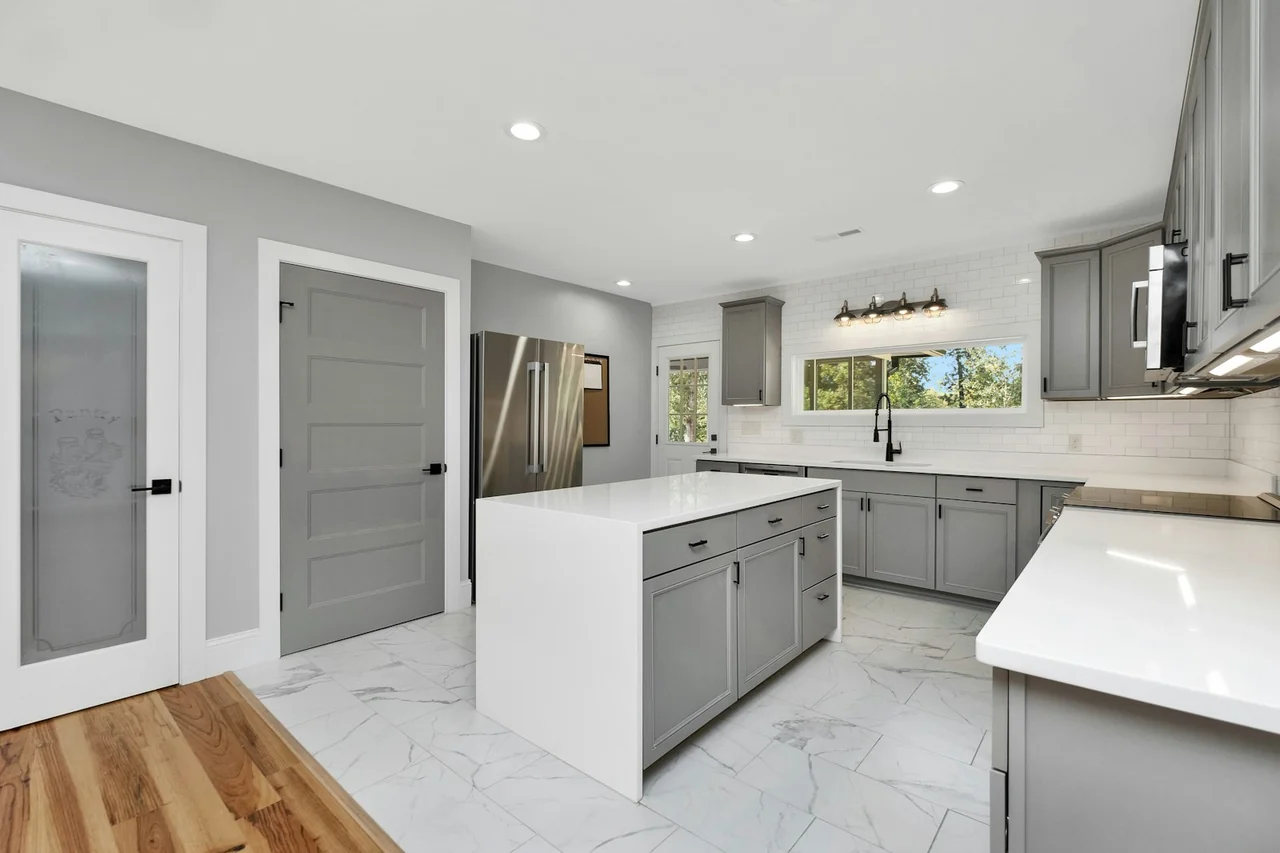
Hairline crazing in a concrete countertop is shrinkage, not failure. The real Florida risk is moisture: bare concrete is porous, so the sealer stack — not the crack — decides whether it stains, molds, or lasts.
11 min readRead →
Before a tile saw turns, one question protects you: is the contractor licensed, and whose name goes on the permit? This is how Florida licenses, verifies, and holds contractors accountable.
12 min readRead →
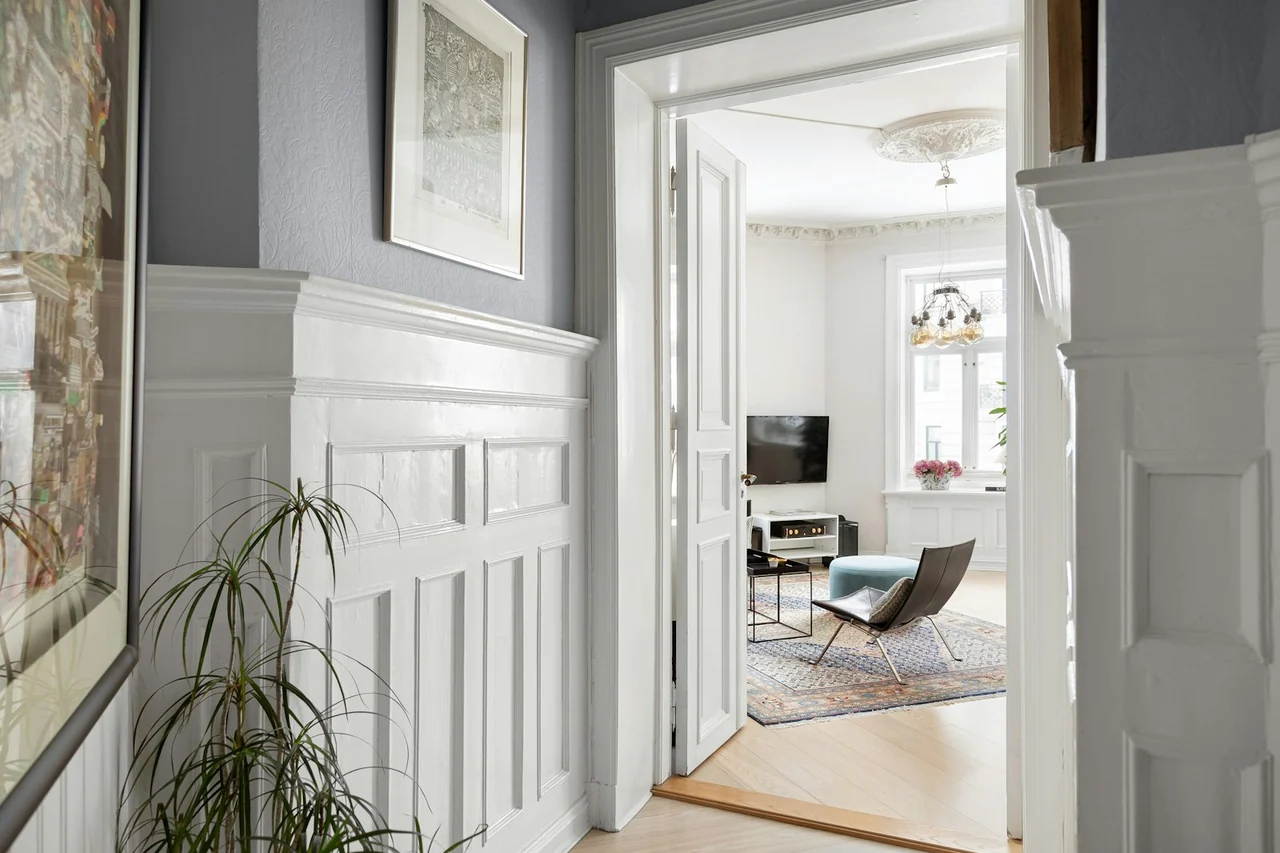
Paper-faced drywall feeds mold and dissolves in a flood. Here is when fiberglass-mat paperless gypsum is enough for a Florida wet wall, and when rigid PVC panel is the code-driven call.
11 min readRead →
They look almost identical and click together the same way — but laminate rides on a fiberboard core that swells at the seams, and vinyl plank rides on a mineral core that absorbs nothing. In Florida, the core decides it.
10 min readRead →
Page 5 of 34 · 400 articles total
Browse by Format
Every Pro Work Flooring article is built around one format. Comparisons for material selection, buying guides for specs, code explainers for permits, and how-to playbooks for the step-by-step of a Florida install.
Editor's Picks
If you read three Pro Work Flooring articles before you pick a floor for a Florida home, read these: the waterproof-flooring breakdown for humidity, the slab moisture testing every install depends on, and the porcelain-versus-ceramic call by PEI wear grade.
By Service Silo
Every silo surfaces its most recent article here. Click the silo name to drop into the full set of services; click the latest article to read it.
Browse by Silo
Each silo has its own set of articles and service guides. Pick the one that matches your project — every link below leads to the full silo with services, specs, and FAQs.
01
Waterproof LVP and rigid-core SPC for humidity, engineered wood acclimation, slab moisture testing, polished concrete, carpet, and refinishing.
Read Flooring →02
Porcelain vs ceramic by PEI wear grade and water absorption, natural stone, mosaics, backsplashes, regrouting, and TCNA-detailed shower tile.
Read Tile →03
Waterproof wet-room assemblies, walk-in and tub-to-shower conversions, ANSI-rated membranes, vanities, and accessible bath layouts.
Read Bathrooms →04
Full and small kitchen remodels, islands, pantries, backsplashes, lighting, and open-concept layouts coordinated with flooring and counters.
Read Kitchens →05
Quartz vs granite for Florida kitchens, quartzite, marble, butcher block, fabrication, and template-to-install sequencing.
Read Countertops →06
Custom and built-in cabinets, refacing vs replacement, cabinet painting, closet systems, and moisture-aware box construction.
Read Cabinets →07
Drywall install and repair, wall texturing, crown molding, trim, wainscoting, and interior and exterior painting for humid walls.
Read Walls →08
Garages, laundry rooms, lanai and patio conversions, mudrooms, and the finish work that turns extra square footage into living space.
Read Spaces →Editorial Standards
This is an install crew's blog, not a content farm. Every article goes through the same standard before it runs — no syndicated boilerplate, no specs we can't point to a published source for.
Waterproof ratings, wear-layer mils, PEI grades, Janka numbers, and MVER limits come from manufacturer data sheets and published standards — TCNA, NWFA, ASTM — cited by name, not paraphrased.
Every recommendation is filtered through Florida conditions: year-round humidity, slab-on-grade moisture, salt air on the coast, and the wet-room reality of a hot, rainy state.
When a project touches the Florida Building Code or High-Velocity Hurricane Zone rules, we name the code and section rather than summarize it loosely. If we're unsure, we say so.
Each article has to add something the rest of the internet doesn't — a spec table, a moisture limit, a code reference, or a field detail. If a topic already has 50 generic guides, we bring data or we don't publish.
Read enough to know your project? A Pro Work Flooring project director measures in person, tests the slab where it matters, and sends a written estimate. Statewide Florida service.
Free Callback · Statewide Florida
Tell us about the project. A real Pro Work Flooring project manager — not a bot — picks up the phone in 5 minutes during business hours. No pitch, no pressure.