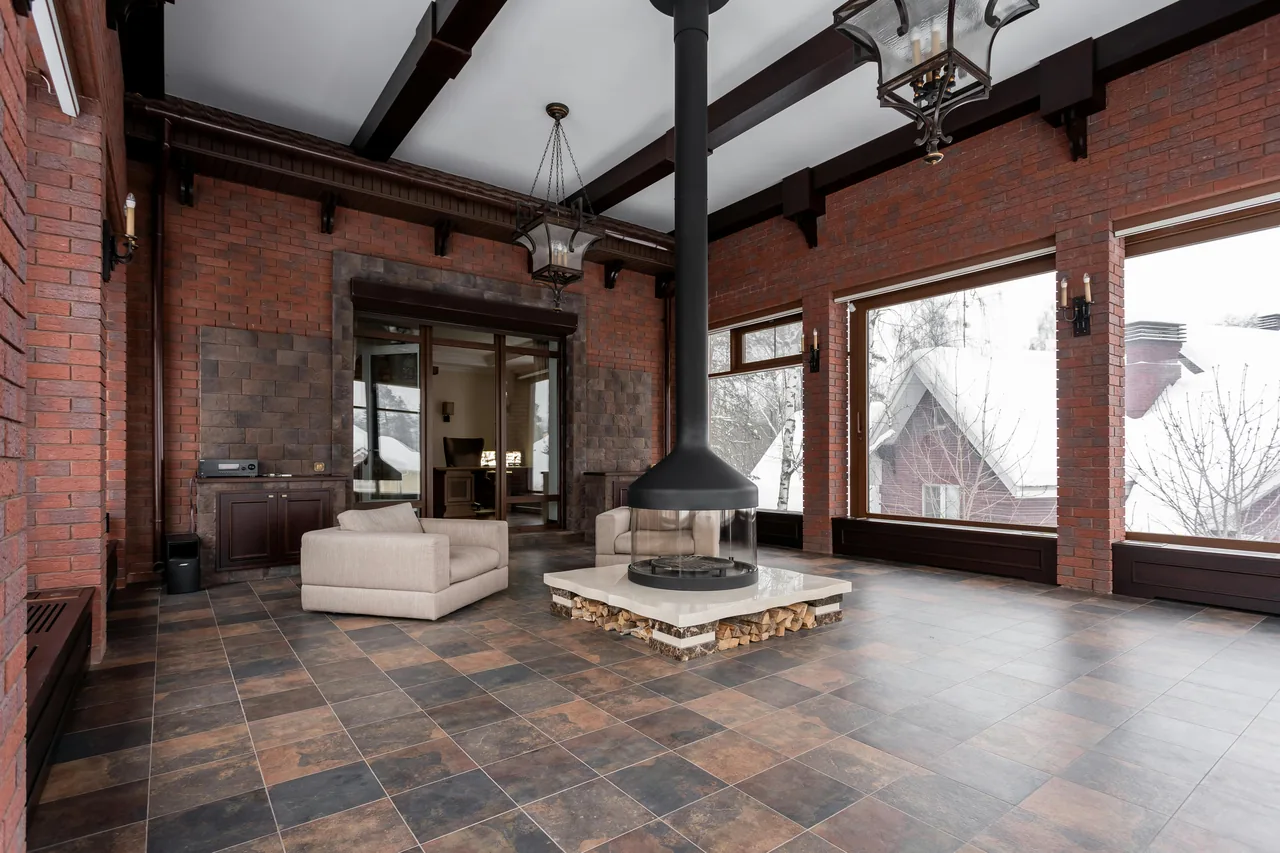
Radiant floor heating installation in Florida means embedding a thin electric heating mat in the thinset directly beneath your tile, so the floor itself becomes the heat source. It is the quiet luxury of stepping onto a warm bathroom floor at 6 a.m. instead of cold porcelain — and in our climate it is almost always done as electric resistance heating in targeted rooms, not the whole-home hydronic systems used in cold-winter states. Florida simply does not have the heating season to justify pumps, a boiler, and miles of water tubing. What matters on a radiant job here are the specs that decide whether it works and lasts: heating mat wattage matched to the room, a GFCI-protected circuit sized to FBC and the National Electrical Code, a programmable thermostat with a floor sensor, and a slab that has been moisture-tested before anything is bonded to it. Because the mat lives under the tile, the only practical time to install it is during a tile project — which is exactly why we hold the heat and the tile under one crew.
Watch
See Radiant Floor Heating Installation Done Right in Florida
Radiant Floor Heating Installation in Belleair Bluffs: What Matters Locally
Before any radiant-floor-heating-installation in Belleair Bluffs, these regional conditions drive the material and method choices:
Coastal Belleair Bluffs homes deal with moisture most inland areas never see — material choice matters even more here.
As a coastal Pinellas County community, Belleair Bluffs sees salt air and high humidity all year, so moisture control and material selection lead every radiant-floor-heating-installation decision.
The material under your feet matters most in Tampa Bay. Options for radiant-floor-heating-installation in Belleair Bluffs:
What Is Radiant Floor Heating, and Why Electric in Florida?
Radiant floor heating warms a room from the floor up rather than blowing heated air, and it comes in two families: electric (resistance) and hydronic (water-based). The right one for Florida is almost always electric, and the reason is the climate, not the cost.
- Electric mat systems — a thin heating cable woven into an adhesive-backed mat, embedded in the thinset under tile. Fast to heat, zero maintenance, and ideal for a single bathroom or kitchen. The default Florida choice.
- Loose heating cable — the same cable sold off the mat, spaced by hand for odd-shaped rooms and tight layouts around vanities and toilets.
- Hydronic (water) systems — a boiler circulates warm water through tubing. Efficient for heating a large home all winter, which is exactly the situation Florida does not have. Rarely specified here.
- Floor sensor thermostat — a probe set between the heating cables reports the actual floor temperature, so the system holds a comfortable surface rather than guessing from air temperature.
Because a Florida home runs its heat for only a handful of weeks a year, the math that makes hydronic worthwhile up north never appears. Electric radiant costs almost nothing to install relative to a boiler loop, draws power only in the rooms and hours you choose, and adds comfort to the spaces where cold tile is most unpleasant: bathrooms first thing in the morning, and kitchens where you stand barefoot.

Cold Tile Only in One Bathroom?
Free in-home visit, room sizing, and an electrical check matched to the zone you actually want warm — written estimate, no pressure.
Why Florida Radiant Heat Installs Are Different
In Florida, radiant heating is a comfort upgrade, not a primary heat source — and that single fact changes how it is sized, zoned, and wired. Up north, radiant carries the heating load for the season. Here it takes the chill off a tile floor for a few cold mornings, so the right install is small, smart, and tied into a slab and an electrical panel that were built for a different climate.
- Comfort zones, not whole-home — we heat the master bath, a guest bath, or a kitchen, because a Florida household will never run a whole-house radiant system enough to justify it. Targeted zones keep both the install and the energy use rational.
- Slab-on-grade changes the math — most Florida homes sit on slab-on-grade, and a bare slab is a heat sink. We install an insulating uncoupling membrane or thermal underlayment beneath the mat so the heat goes up into the tile instead of sinking into the concrete.
- The slab is moisture-tested first — anything bonded to a Florida slab gets a MVER check before thinset, because vapor that delaminates tile will delaminate a heating mat with it.
- Humidity and the thermostat — a warm floor in a humid bathroom helps dry the surface and discourage mildew at the grout lines, a small but real Florida benefit a programmable thermostat can schedule for after showers.
- Electrical capacity is checked — older Florida panels are often full. We confirm there is a slot and the capacity for a dedicated GFCI circuit before promising a system, and coordinate the connection with a licensed electrician.
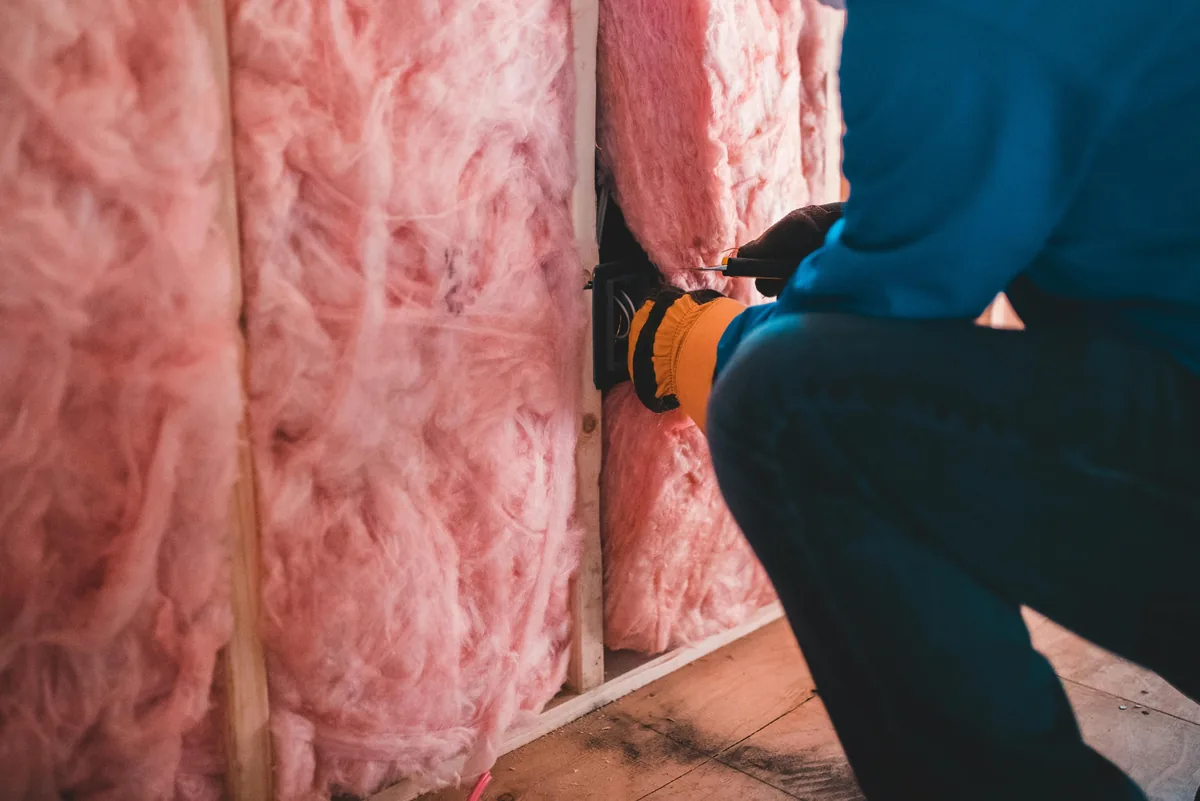
Brands We Install for Radiant Floor Heating
A radiant system is only as reliable as its heating element and its thermostat. We pair the heat with the same waterproofing and uncoupling systems that protect Florida tile.
- Schluter DITRA-HEAT uncoupling + heat membrane
- WarmlyYours TempZone electric mats
- nVent NUHEAT mats & cable
- SunTouch electric floor warming
- Honeywell / nVent floor-sensing thermostats
- Bostik / Mapei thinset & moisture control
- Schluter KERDI wet-area waterproofing
- Daltile / MSI porcelain over the heat
Will Your Slab and Panel Need Prep First?
Two things decide whether a radiant project goes smoothly: the slab and the electrical panel. Older Florida slabs are rarely flat and sometimes read high on moisture, and many panels installed decades ago have no open breaker space. Both are checkable before any commitment, and both are far cheaper to handle before the tile goes down than after.
We bundle the slab work into the same visit — moisture test, level any dips so the tile and the embedded mat sit flat, and add an insulating membrane so heat rises. The electrical connection is coordinated with a licensed electrician for the dedicated GFCI circuit the system requires. Floor Leveling Estimate
Florida Building Code, GFCI, and Permits for Radiant Heat
Electric radiant floor heating is electrical work, and electrical work is permitted work in Florida. The heating mat itself ties into a dedicated branch circuit, and the Florida Building Code — together with the National Electrical Code it incorporates — requires that circuit to be on a ground-fault circuit interrupter because the element sits in a wet-rated floor. In coastal South Florida's HVHZ jurisdictions, the electrical and any panel work carry their own inspection requirements.
The mat is tested for continuity before, during, and after the tile is set so a fault is caught while it is still fixable.
Our 6-Step Radiant Floor Heating Process
Every Pro Work radiant project follows the same six-step framework — built so the heat goes in correctly the one time the floor is open.
- Free in-home consultation. We measure the room, map the heated area around fixtures, check the slab, and confirm electrical capacity. You see mat and thermostat options matched to the zone. No commitment.
- Written estimate. Line-item breakdown — heating system, membrane, slab prep, tile, electrical coordination, and timeline. Delivered after the visit so you see exactly what you are paying for.
- Slab test & prep. MVER check, leveling where needed, and an insulating uncoupling membrane so heat rises into the tile instead of sinking into the slab.
- Mat layout & continuity test. The heating mat or cable is laid to the mapped area, the floor sensor set between the runs, and resistance tested to confirm the element is undamaged before bonding.
- Tile installation & electrical connection. Tile is set over the embedded mat with correct thinset coverage; a licensed electrician completes the GFCI circuit and thermostat. Daily cleanup, single point of contact.
Do the Heat While the Tile Is Open
Fast reply. Slab moisture-tested. Radiant heat done right while the floor is the right place to do it.
How to Identify a Qualified Florida Radiant Heat Installer
A radiant floor is buried for the life of the tile, so a mistake is permanent until the floor comes up. Verify all of the following before signing anything:
- Continuity testing before, during, and after
- A qualified installer measures the heating element's resistance at three points so a nicked cable is caught while it can still be fixed. If the mat is only tested at the end, a fault means demolishing finished tile.
- An insulating layer over the slab
- On Florida slab-on-grade, heat sinks into the concrete without a thermal membrane. An installer who lays the mat straight on the slab is heating the ground, not your feet.
- Licensed electrician for the circuit
- The dedicated GFCI circuit and panel connection are electrical work that must be done by a licensed electrician and inspected. Confirm who is doing the wiring and that it is permitted.
- Slab moisture testing as standard
- Anything bonded to a Florida slab needs an MVER check first. Vapor that delaminates tile takes the heating mat with it. If moisture testing is not in the scope, the install is a guess.
- Written line-item estimate after a site visit
- A reputable installer measures on-site, maps the heated area around fixtures, and itemizes the system, prep, tile, and electrical coordination. A phone quote with no room measurement is a red flag.
Florida Radiant Floor Heating Case Study
Our Installation Standards
Every Pro Work radiant floor heating project meets these installation standards:
- Florida Building Code compliance
- The circuit and connection are completed by a licensed electrician to FBC and National Electrical Code requirements, with GFCI protection and HVHZ inspection where coastal South Florida requires it.
- Moisture-tested installation
- Slab MVER testing and an insulating membrane before the mat — the step that protects both the tile bond and the heating element on Florida slab-on-grade.
Why Florida Homeowners Choose Pro Work for Radiant Floor Heating
Most flooring crews treat radiant heat as a separate trade and a separate trip. We build it into the tile project, because that is the only sensible time to do it. The same crew that maps your heated area also tests the slab, sets the membrane, and sets the tile — and a licensed electrician closes the circuit on schedule.
- Sized to the zone. We heat the rooms where cold tile actually bothers you — not an oversized whole-home system Florida never needs.
- Continuity-tested three times. The element is checked before, during, and after tile so a fault is caught while it is fixable.
- Free in-home estimate. On-site measurement, slab check, electrical-capacity check, line-item breakdown, no high-pressure sales tactic.
- One crew, heat and tile together. Membrane, mat, and tile under one schedule, with the electrical coordinated — no bouncing between contractors.
Related Flooring Work We Coordinate
A radiant heat project in Florida is really a tile project with heat in the middle. We hold the related work under one crew so the floor goes down flat, warm, and finished:
- Tile Flooring — porcelain or ceramic set over the embedded heating mat, the surface radiant heat is built for.
- Floor Leveling — self-leveling underlayment so the slab is flat before the membrane and mat go down.
- Bathroom Flooring — waterproof, slip-rated tile over heat for the room radiant warms first.
- Baseboard Installation — PVC or moisture-resistant baseboard to finish the perimeter of the new heated floor.
Radiant Floor Heating Installation Near Belleair Bluffs
Need radiant-floor-heating-installation just outside Belleair Bluffs? We work across Tampa Bay, including: