
Floor leveling in Florida is the process of flattening an uneven slab or subfloor to a defined tolerance before a finished floor is installed — most often with a pourable SLU (self-leveling underlayment) that flows into dips and sets dead flat. It matters more in Florida than almost anywhere because of two facts: most homes sit on slab-on-grade concrete that was rarely poured flat, and modern LVP and tile carry a written flatness tolerance We measure the slab against your floor's exact spec, correct it with self-leveler or grinding, and document a flat substrate.
Watch
See Floor Leveling Done Right in Florida
What Is Floor Leveling, and Why Do Florida Floors Need It?
Floor leveling makes a substrate flat enough that the floor laid over it sits without rocking, peaking, or showing lippage. The term covers more than one technique, and we match the method to the substrate and the unevenness. The Florida-specific reasons a slab so often needs it:
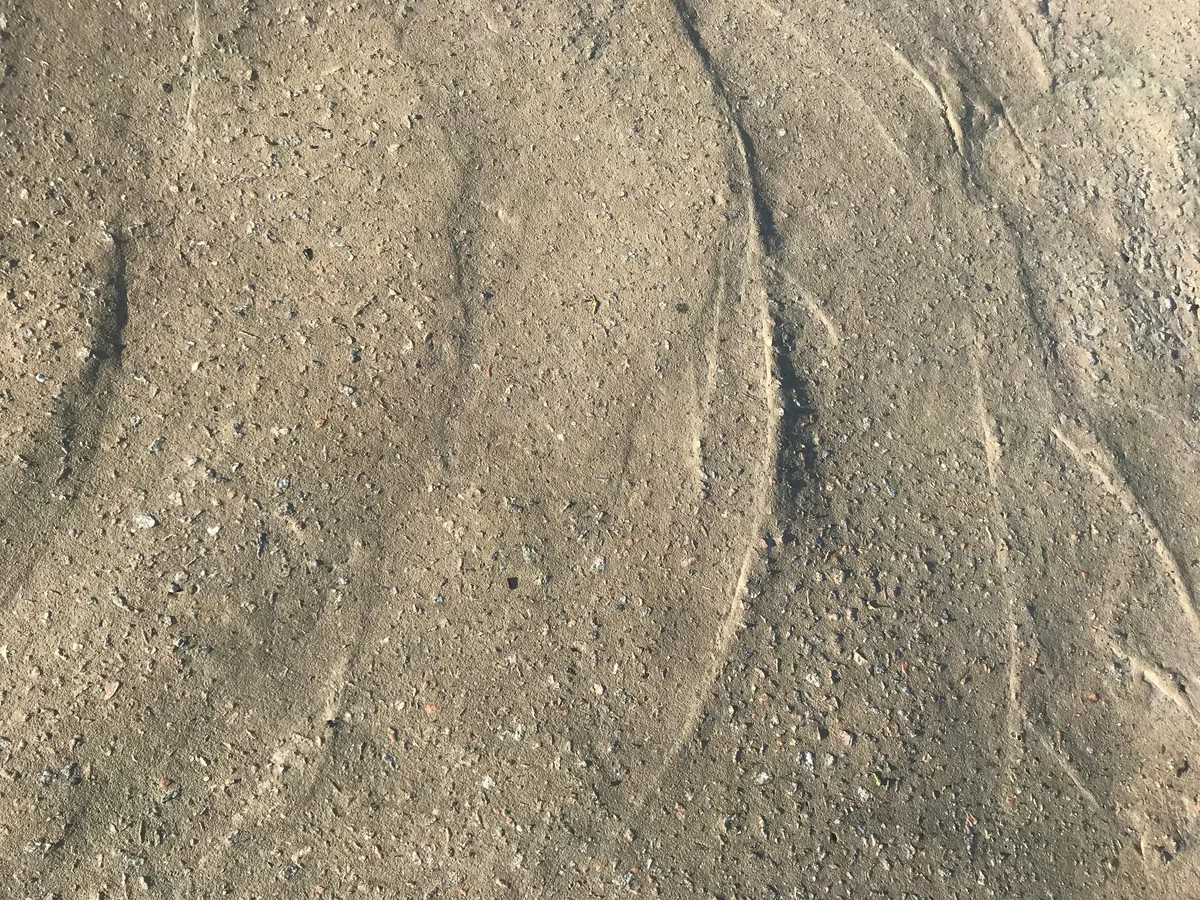
- Slabs poured out of flat — production-built Florida homes rarely have a slab flat to the tolerance a modern rigid floor requires
- Settlement and movement — Florida soils and time leave dips, humps, and slope across a slab
- Old adhesive and tile beds — removing a previous floor leaves ridges and crater that have to be flattened
- Transitions between rooms and additions — slabs poured at different times rarely meet at the same height
- Patched repairs — areas patched after plumbing or subfloor work need feathering into the surrounding slab
Is Your Slab Flat Enough for LVP or Tile?
Written estimate, no pressure.
Why Florida Floor Leveling Is Different
In Florida, leveling and moisture are the same conversation. The slab that needs flattening is also the slab emitting vapor, so the two have to be handled in the right order. A self-leveler poured over a slab that tests high for moisture can debond, and a leveler that is not compatible with the floor's adhesive or moisture system causes its own failure.
- Moisture checked before leveling — slab MVER verified so the underlayment bonds and any vapor mitigation goes in the correct sequence
- Flatness measured to the floor's spec — we level to the tolerance yOur Installation Standards states, not a generic "good enough"
- Primer and compatibility matched — the slab is primed so the self-leveler bonds, and the leveler is chosen to work with the floor's adhesive and any moisture membrane
- Grinding for high spots — humps and ridges are ground down rather than buried under thick leveler, keeping floor height and transitions right
- FBC-aware detailing — leveling integrated with moisture and assembly requirements, with coastal considerations near the HVHZ
Flatness is not a feeling — it is a measured tolerance written into your floor's installation requirements. Understanding the spec is why we measure before we level.
- How flatness is measured
- We lay a 10-foot straightedge across the slab and measure the largest gap beneath it, then repeat across the area. That maximum gap is compared to the tolerance your floor's manufacturer requires.
- Why rigid floors are unforgiving
- Rigid-core LVP and tile do not flex to follow a wavy slab. Where the slab dips, a floating plank bridges the gap and flexes at the click joint until it peaks or gaps; tile shows lippage and hollow-sounds.
- Documenting the result
How We Level a Florida Floor
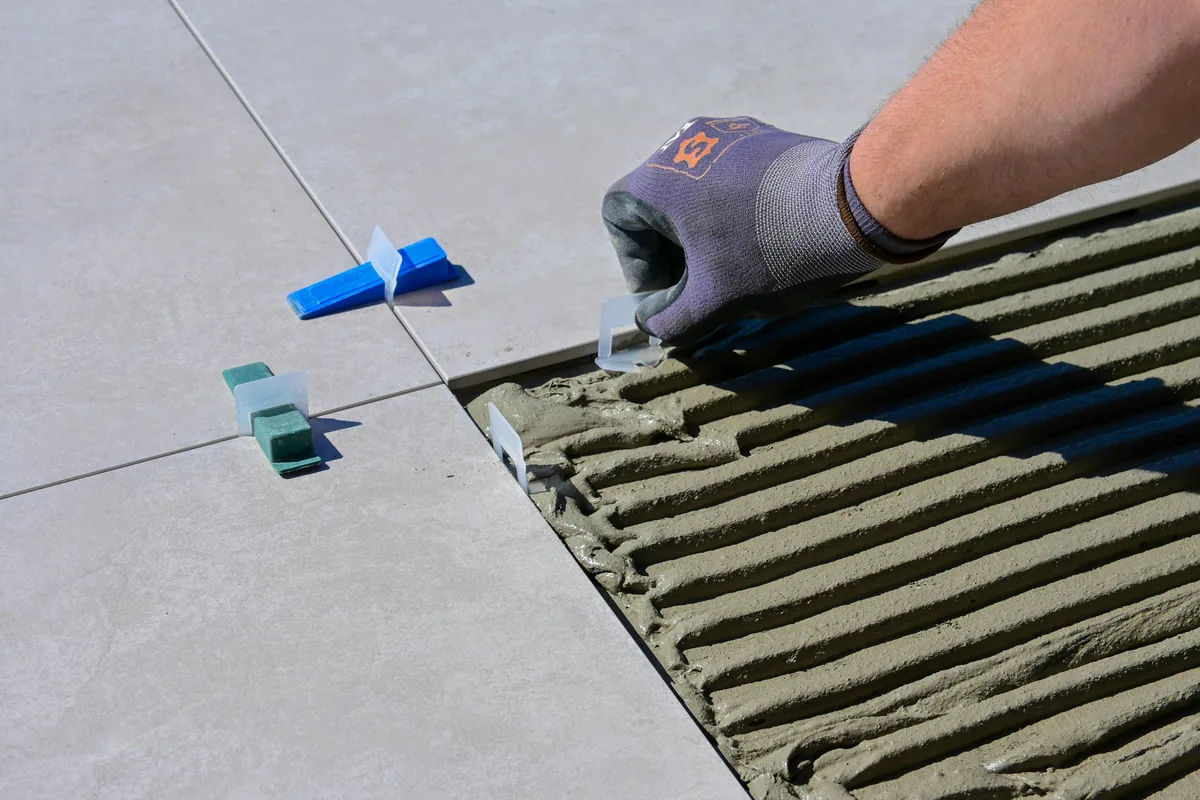
The right method depends on the substrate, how far out of flat it is, and the floor going on top. Thin dips, deep dips, and high humps each call for a different approach, and we explain the plan during the estimate.
- Self-leveling underlayment — a pourable cement-based compound that flows into dips and sets flat, ideal for broad unevenness across a slab
- Patching and feathering — trowel-applied compound for localized low spots and the edges of patched repairs
- Grinding high spots — humps, ridges, and old adhesive ground down so they are removed rather than buried under thick leveler
- Priming for bond — the slab is cleaned and primed so the self-leveler adheres and does not debond underfoot
- Moisture mitigation in sequence — where the slab tests high, vapor mitigation goes in before or with the leveling so the assembly stays sound
Materials We Use for Floor Leveling
A compatible primer, self-leveler, and moisture system drive a sound, flat substrate more than anything you see once the floor is down. We use professional underlayment systems with stated flow, cure, and compressive-strength data — matched to your floor and any moisture membrane, not whatever a big-box shelf stocks.
- ARDEX self-leveling underlayment
- Mapei Novoplan & Ultraplan SLU
- Schluter uncoupling & leveling systems
- Custom Building Products LevelQuik
- Sika floor-leveling compounds
- Koster moisture-mitigation primers
- Henry patch & feather compounds
- Bostik primers & adhesives
Leveling as Prep for Your New Floor
Floor leveling is almost never the finished job — it is the flat foundation a finished floor needs. Handling both under one crew is what guarantees the leveling matches the floor's exact requirement.
We pour the self-leveler, confirm flatness, then install a waterproof floor such as luxury vinyl plank or tile over the flat substrate. Where the unevenness traces to a failed deck, we tie in subfloor repair first so we are leveling over something sound. One crew, one schedule.
Florida Building Code and Permits for Floor Leveling
Floor leveling on its own does not require a permit, because applying a self-leveling underlayment is surface preparation rather than a structural change. The picture shifts only when leveling is paired with structural subfloor work — replacing decking or repairing joists — which can fall under the Florida Building Code, and in High-Velocity Hurricane Zone areas (Miami-Dade, Broward, and other coastal South Florida jurisdictions) structural assemblies and materials carry product-approval rules.
We tell you during the estimate whether your project stays a straightforward leveling job or crosses into structural work that triggers an FBC requirement, and we sequence moisture mitigation correctly so the flat substrate stays sound.
Our 6-Step Floor Leveling Process
- Free in-home flatness check. We measure the slab against your new floor's tolerance with a straightedge, read moisture, and identify high and low spots. You learn whether and how much leveling the floor needs. No commitment.
- Written estimate. Line-item breakdown — grinding, priming, self-leveler or patch, any moisture mitigation, and timeline. Delivered after the visit so you see exactly what you are paying for.
- Surface prep & grinding. The slab is cleaned, old adhesive and high spots ground down, and cracks addressed so the leveler bonds to a sound surface.
- Moisture mitigation & priming. Slab moisture handled in the correct sequence where it tests high, then the surface primed so the self-leveler adheres and does not debond.
- Pour & level to tolerance. Self-leveling underlayment poured and spread, or low spots patched and feathered, then confirmed flat to the floor's required tolerance with a straightedge.
How to Identify a Qualified Florida Leveling Crew
Leveling is buried under the finished floor — so a shortcut here is invisible until the floor fails. Verify all of the following before signing anything:
- Flatness measured to the floor's spec
- A qualified crew measures the slab with a straightedge against your specific floor's tolerance, not a generic standard.
- Moisture checked and sequenced
- Self-leveler over a high-moisture slab can debond. Confirm the crew tests slab moisture and sequences any vapor mitigation correctly with the leveling.
- Priming for bond
- Self-leveling underlayment debonds without a proper primer. A reputable crew cleans and primes the slab so the leveler stays put underfoot.
- Compatible product system
- The primer, leveler, moisture membrane, and floor adhesive have to work together. Confirm the products are a matched, compatible system rated for the floor going on top.
- Written line-item estimate after a site visit
- A reputable crew measures flatness on-site and itemizes grinding, priming, leveler, and mitigation. A phone quote with no flatness check is a red flag.
Florida Floor Leveling Case Study
Our Installation Standards
Every Pro Work floor leveling project meets these installation standards:
- Florida Building Code compliance
- Where leveling is paired with structural subfloor work, that work is done to FBC requirements, with HVHZ product-approved materials where coastal South Florida requires them.
- Flatness-to-tolerance & moisture-tested
- Slab flatness measured and corrected to your floor's stated tolerance and slab MVER
Why Florida Homeowners Choose Pro Work for Floor Leveling
Most installers treat leveling as an afterthought poured to "close enough. The same crew that measures the slab levels it to your floor's exact tolerance and documents the result — so the floor you put on top sits flat and stays covered.
- Leveled to the floor's spec. We measure against your specific LVP or tile tolerance, not a generic standard — the difference between a covered floor and a denied claim.
- Moisture tested every job. The step that lets the underlayment bond and the floor stay sound on a Florida slab.
- High spots ground, not buried. Humps and old adhesive removed so floor height and transitions stay right.
- Compatible product systems. Primer, leveler, and moisture membrane matched to the floor going on top.
- One crew, slab to finished floor. Grinding, leveling, mitigation, and install under one schedule — no bouncing between contractors.
Related Flooring Work We Coordinate
Leveling in Florida is the flat foundation everything above it depends on. We hold it all under one crew so the substrate is flat and the finished floor goes down right:
- Subfloor Repair — a failed deck repaired and vapor-mitigated before we level over something sound.
- Luxury Vinyl Plank
- Tile Flooring — porcelain or ceramic set on a flat slab so lippage and hollow spots never show.
- Floor Repair — an uneven surface left by damage brought back to flat before reinstall.