Hollow & Loose Tile Fixes
A hollow tile is the sound of empty space underneath. Here is what causes the void - coverage, slab moisture, or a missing joint - how to test for it, and the fix each cause calls for.
10 min readRead →
Free In-Home Estimate
One Crew · Flooring to FinishOne Project Director · Statewide Florida Service
Free In-Home EstimateStatewide Florida
Pro Work Flooring Editorial
Waterproof ratings, wear-layer mils, PEI wear grades, Janka hardness, and slab MVER numbers — explained for the climate they have to survive. Humidity, slab-on-grade moisture, salt air, and the FBC: the Pro Work Flooring editorial by the install crew that does the work statewide.
400 articles · updated as specs and code change · one crew, flooring to finish.
/// The Latest ///
Material specs that decide whether a floor survives a Florida summer. Waterproof ratings, slab moisture limits, PEI wear grades, and FBC permit reality. The full archive — sorted newest first, filterable by topic and format above.
A hollow tile is the sound of empty space underneath. Here is what causes the void - coverage, slab moisture, or a missing joint - how to test for it, and the fix each cause calls for.
10 min readRead →
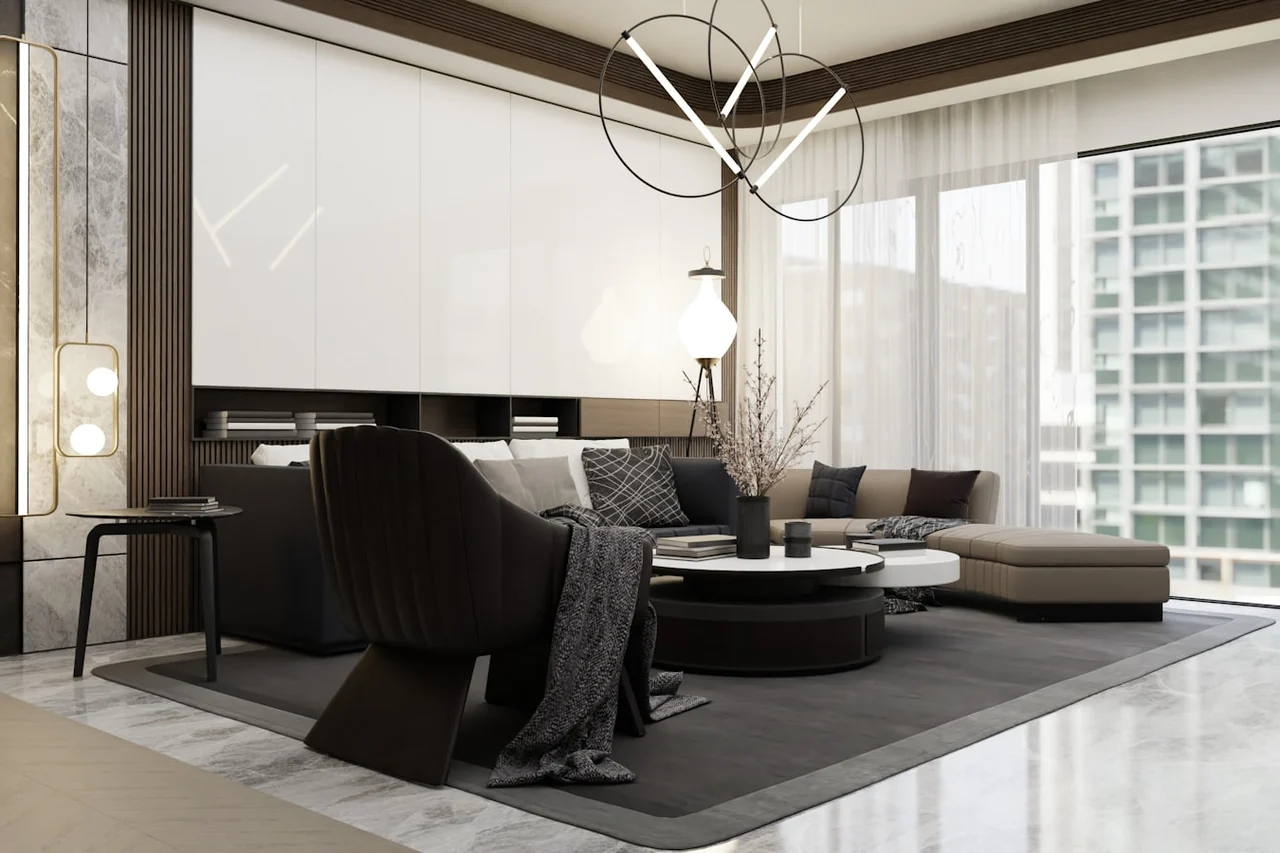
A 50% brick-lay is the worst way to set wood-look plank tile. ANSI A108.02 caps the offset at 33% because plank crown stacks high points against low points — here is the spec and the Florida slab behind it.
10 min readRead →
Three layouts, one rulebook: the NKBA work triangle and aisle clearances decide which of galley, L-shaped, or U-shaped actually fits a compact Florida condo or ranch kitchen.
11 min readRead →
Greenboard is moisture-resistant drywall, not a code-legal shower backer. Here is what FBC R702.3.7 and R702.4.2 actually require behind tub and shower tile, and how cement board, fiber-cement, and glass-mat gypsum compare.
11 min readRead →

A converted Florida home office needs the NEC 6-ft outlet rule, AFCI and tamper-resistant protection, often a dedicated 20-amp circuit, and the mass plus solid-core door that do the acoustic work code never requires.
11 min readRead →
Greenboard is water-resistant, not waterproof. Here is the board each Florida wall actually needs by location, with the ASTM and Florida Building Code standard that governs dry walls, damp rooms, and the wall behind your tile.
9 min readRead →
A tub-to-shower conversion is a waterproofing and plumbing job, not a swap. Here is the membrane, the pan slope, the 2-inch drain move, and the keep-one-tub resale rule for a humid Florida home.
9 min readRead →
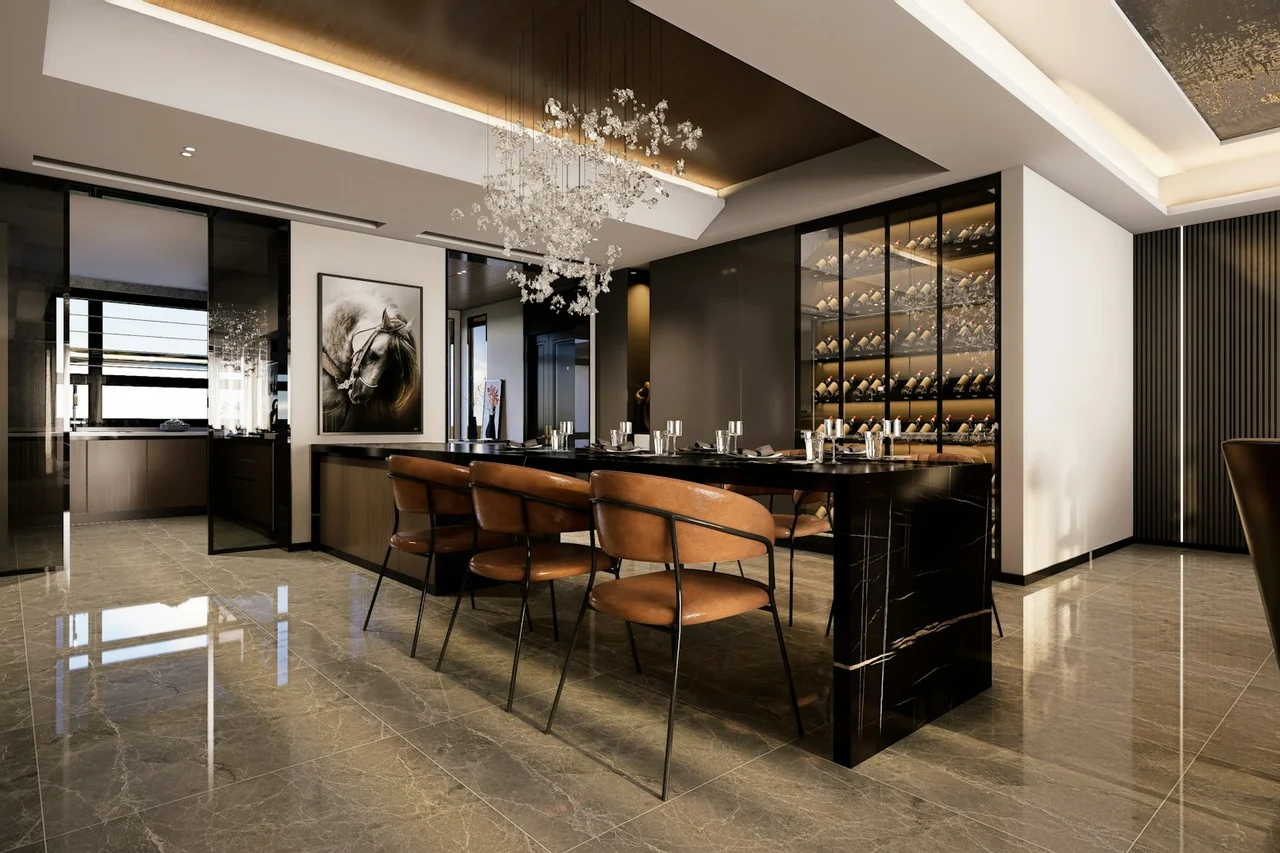
Lakewood Ranch builders include small ceramic; upgrading to 24x48 porcelain hits a slab problem. Here is the flatness and mortar-coverage spec large-format tile needs, and how to budget the fix.
10 min readRead →
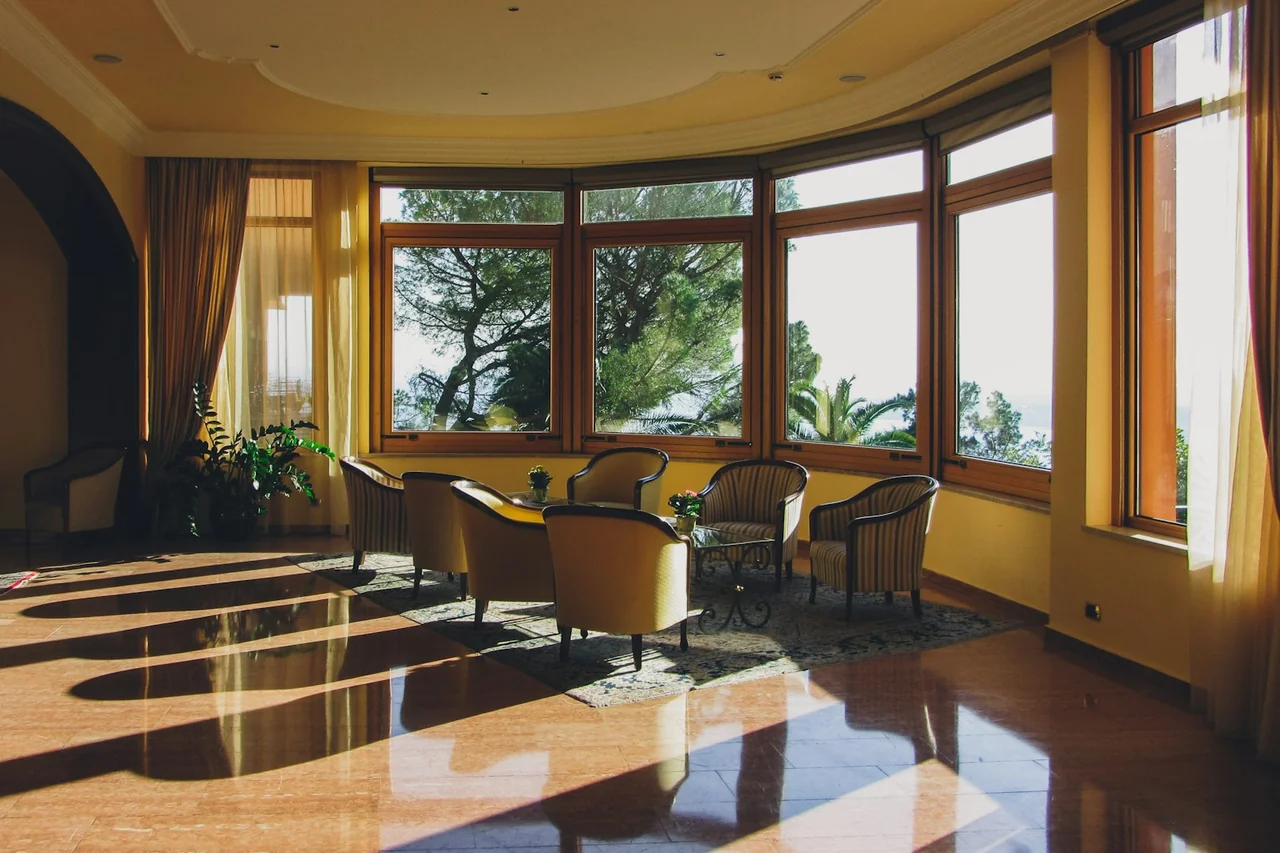
Central Florida subdivision builders default to carpet and thin vinyl. Here is what actually pays back in Zone-2A humidity: wear-layer mil, waterproofing, and the slab underneath.
10 min readRead →
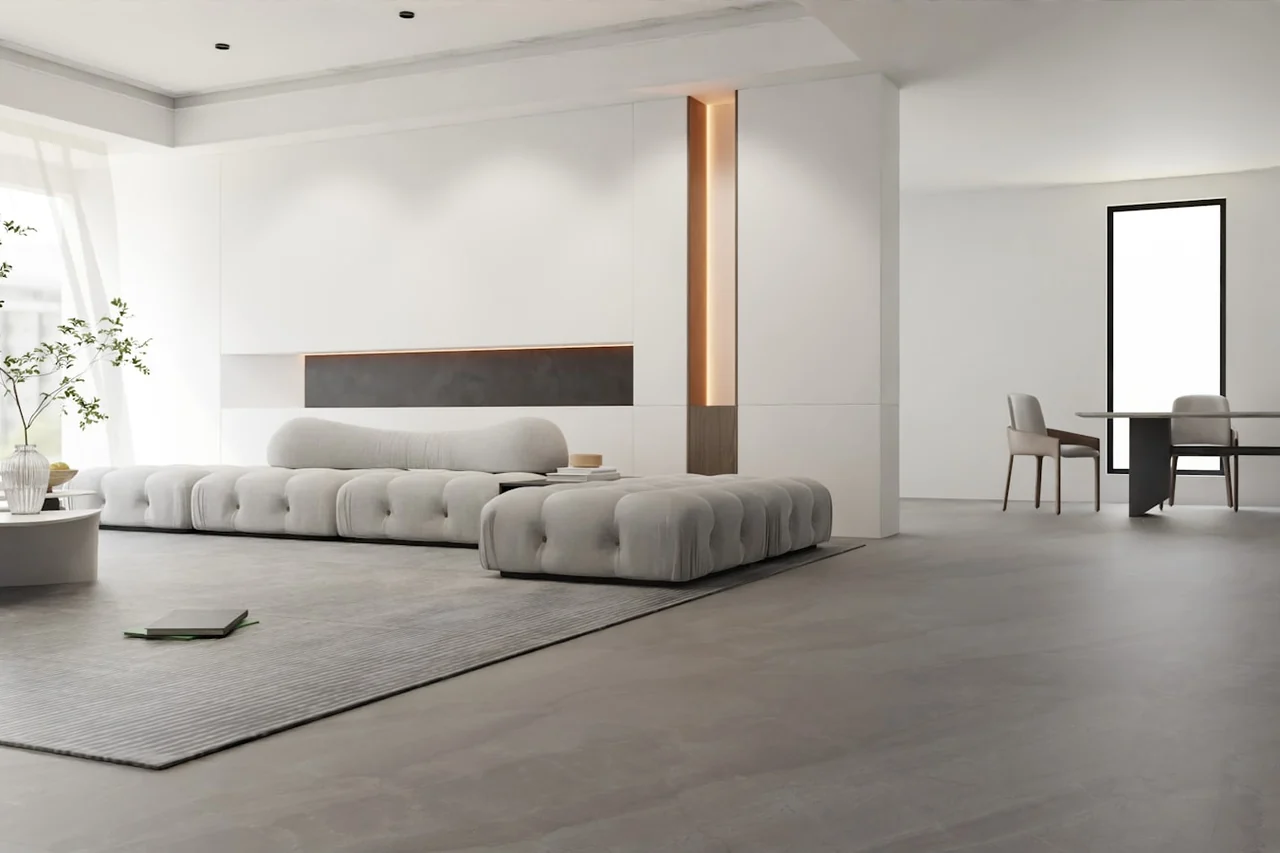
A tile transition strip is a movement detail, not a threshold cover. Here is how Schluter profiles and the TCNA EJ171 expansion gap keep a Florida tile floor from shearing at its edges.
10 min readRead →
Bigger wall tile makes a small Florida bath feel larger and cuts grout lines that grow mold — but the sloped shower floor still needs mosaics, and the slab has to be flatter. Here is the spec breakdown.
11 min readRead →
The remodel-vs-rebuild math in Florida is not about kitchens and paint. It turns on three hidden triggers — old wiring carriers refuse, the FEMA 50% Rule, and HVHZ envelope upgrades.
11 min readRead →
Page 10 of 34 · 400 articles total
Browse by Format
Every Pro Work Flooring article is built around one format. Comparisons for material selection, buying guides for specs, code explainers for permits, and how-to playbooks for the step-by-step of a Florida install.
Editor's Picks
If you read three Pro Work Flooring articles before you pick a floor for a Florida home, read these: the waterproof-flooring breakdown for humidity, the slab moisture testing every install depends on, and the porcelain-versus-ceramic call by PEI wear grade.
By Service Silo
Every silo surfaces its most recent article here. Click the silo name to drop into the full set of services; click the latest article to read it.
Browse by Silo
Each silo has its own set of articles and service guides. Pick the one that matches your project — every link below leads to the full silo with services, specs, and FAQs.
01
Waterproof LVP and rigid-core SPC for humidity, engineered wood acclimation, slab moisture testing, polished concrete, carpet, and refinishing.
Read Flooring →02
Porcelain vs ceramic by PEI wear grade and water absorption, natural stone, mosaics, backsplashes, regrouting, and TCNA-detailed shower tile.
Read Tile →03
Waterproof wet-room assemblies, walk-in and tub-to-shower conversions, ANSI-rated membranes, vanities, and accessible bath layouts.
Read Bathrooms →04
Full and small kitchen remodels, islands, pantries, backsplashes, lighting, and open-concept layouts coordinated with flooring and counters.
Read Kitchens →05
Quartz vs granite for Florida kitchens, quartzite, marble, butcher block, fabrication, and template-to-install sequencing.
Read Countertops →06
Custom and built-in cabinets, refacing vs replacement, cabinet painting, closet systems, and moisture-aware box construction.
Read Cabinets →07
Drywall install and repair, wall texturing, crown molding, trim, wainscoting, and interior and exterior painting for humid walls.
Read Walls →08
Garages, laundry rooms, lanai and patio conversions, mudrooms, and the finish work that turns extra square footage into living space.
Read Spaces →Editorial Standards
This is an install crew's blog, not a content farm. Every article goes through the same standard before it runs — no syndicated boilerplate, no specs we can't point to a published source for.
Waterproof ratings, wear-layer mils, PEI grades, Janka numbers, and MVER limits come from manufacturer data sheets and published standards — TCNA, NWFA, ASTM — cited by name, not paraphrased.
Every recommendation is filtered through Florida conditions: year-round humidity, slab-on-grade moisture, salt air on the coast, and the wet-room reality of a hot, rainy state.
When a project touches the Florida Building Code or High-Velocity Hurricane Zone rules, we name the code and section rather than summarize it loosely. If we're unsure, we say so.
Each article has to add something the rest of the internet doesn't — a spec table, a moisture limit, a code reference, or a field detail. If a topic already has 50 generic guides, we bring data or we don't publish.
Read enough to know your project? A Pro Work Flooring project director measures in person, tests the slab where it matters, and sends a written estimate. Statewide Florida service.
Free Callback · Statewide Florida
Tell us about the project. A real Pro Work Flooring project manager — not a bot — picks up the phone in 5 minutes during business hours. No pitch, no pressure.