Floor repair in Florida is the targeted fix of damaged flooring — replacing or restoring failed boards, planks, or tile and the structure beneath them — done correctly only after the cause is found and corrected. In a Florida home that cause is almost always water: cupping and warping from slab or humidity moisture, subfloor rot near plumbing, and post-flood damage from hurricanes or burst supply lines. The single most common mistake is treating the symptom — swapping the cupped boards — while the leak or the vapor path that cupped them keeps working. We start every repair with a moisture reading and a diagnosis, fix the source, dry the assembly, then make the floor whole with matching material.
Watch
See Floor Repair Done Right in Florida
What Floor Repair Covers, and What Florida Floors Need Fixed
Floor repair ranges from a single cracked plank to a section of rotted subfloor and the boards above it. What unites every Florida repair is the diagnostic step: identifying whether the damage is cosmetic, moisture-driven, or structural before any material is touched. The damage we most often repair in Florida homes:
- Cupping and crowning — wood boards that have absorbed moisture and curled at the edges or domed in the middle, driven by slab vapor or high indoor humidity
- Soft or spongy spots — a failing subfloor beneath the finished floor, usually from a slow plumbing leak or trapped moisture
- Water stains and discoloration — surface or penetrating stains from spills, leaks, or flooding that may lift with refinishing or require board replacement
- Squeaks and movement — loose boards or a subfloor that has separated from the joists or slab
- Cracked, chipped, or lifted planks — impact damage, failed adhesive, or an expansion problem in LVP and laminate
- Post-flood damage — water that sat long enough to delaminate, swell, or grow mold under the floor
Repair It Right the First Time
Free in-home diagnosis, a moisture reading, and a plan that fixes the cause — not just the cosmetic damage. Written estimate, no pressure.
Why Florida Floor Repair Is Different
In Florida, the floor is rarely the real problem — the moisture is. Most homes sit on slab-on-grade concrete that releases vapor year-round, indoor relative humidity swings wide, and ground-floor flooring will meet standing water at some point. A repair that ignores those realities is temporary by design.
- Moisture source found before repair — slab vapor, a plumbing leak, a roof or window intrusion, or appliance overflow; we trace it rather than guess
- Wood moisture verified — we want damaged-area boards reading in the 6 to 9% range before we decide what flattens and what gets replaced
- Subfloor dried, not just covered — a wet deck under a new floor rots and grows mold; we dry or replace it first
- Repair material matched for humidity — replacement boards and planks chosen to live in Florida's RH swing, not just to match the look
- FBC-aware structural work — where rot reaches the structure, repairs follow code, with HVHZ-considered materials near the coast
Cupping, Rot, and Flood Damage: Reading the Symptom
Each kind of damage points to a different cause and a different repair. Diagnosing correctly is what separates a lasting fix from a repeat visit. Here is how we read the three most common Florida failures.
- Cupping and warping
- Boards absorbing moisture from below or from humid air curl at the edges. The fix starts with the source — slab vapor or a leak — then drying. Many boards flatten once moisture normalizes; those that do not get replaced, and a badly cupped floor may need refinishing after it flattens.
- Subfloor rot near plumbing
- A soft, spongy, or sinking spot near a sink, toilet, dishwasher, or water heater signals a slow leak rotting the deck. We open the area, fix the plumbing source, replace the rotted subfloor, and rebuild the finished floor over a sound deck.
- Post-flood damage
- After a hurricane or burst line, water that sat swells laminate, delaminates engineered wood, and can grow mold. We assess what is salvageable — rigid-core LVP and tile often are — remediate moisture and mold, dry the assembly, and reinstall a flood-resistant floor.
Matching Repairs So They Disappear
A repair that screams "patch" is a repair done wrong. The goal is for the fix to blend into the surrounding floor so you cannot find it. How we make that happen depends on the floor type, and we explain the realistic outcome during the estimate.
- Solid hardwood — damaged boards woven in with matching species and milling, then sanded and finished to blend; a whole-room refinish gives the most seamless result
- Engineered wood — planks lifted and replaced from the same line where available; we source the closest match when the original is discontinued
- Luxury vinyl plank — individual click-lock or glue-down planks replaced; keeping leftover boxes from the original install makes this invisible
- Laminate — locking planks swapped out; older discontinued patterns are the hardest to match, which we flag honestly
- Tile — cracked or hollow tiles removed and reset with matching stock; we address why a tile cracked, since movement or a hollow set will crack the next one too
Materials We Use for Floor Repair
The right replacement material and a matched adhesive or fastener system keep a repair sound through Florida's humidity. We source replacement boards, planks, and tile to match your floor and use professional repair products with stated performance — not whatever a big-box shelf happens to stock.
- Bona wood repair & finish
- DriTac wood-floor repair adhesives
- Bostik / Mapei moisture-control adhesives
- COREtec / Shaw matching LVP planks
- AdvanTech moisture-resistant subfloor panel
- Custom Building Products thinset & grout
- Zinsser mold-control primers
- Schluter transitions & movement profiles
Will the Repair Reach the Subfloor or Need Leveling?
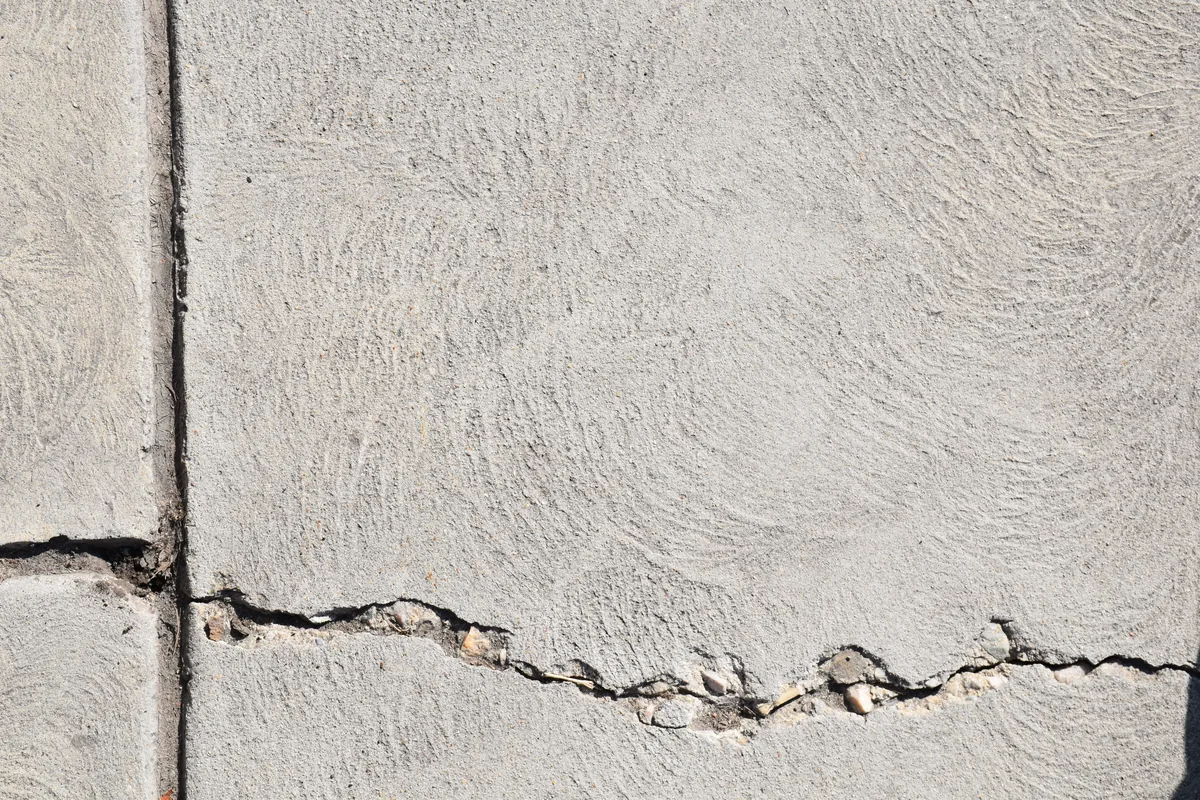
Damage that looks cosmetic on top sometimes runs deeper. A cupped floor can hide a wet subfloor; a cracked tile can hide a hollow or moving substrate. We probe during the diagnosis so the estimate reflects the real scope, not a surprise mid-job.
When the deck is the problem we tie in subfloor repair — replacing rotted panels and mitigating the vapor that caused the failure — and where the surface ends up uneven, floor leveling brings it back to flat before the finished floor is rebuilt. One crew, one schedule.
Florida Building Code and Permits for Floor Repair
A cosmetic repair — swapping a few boards or resetting a tile — does not require a permit. The picture changes when the repair reaches the structure: replacing rotted subfloor, sistering a damaged joist, or any work that touches a load path can fall under the Florida Building Code, and in High-Velocity Hurricane Zone areas (Miami-Dade, Broward, and other coastal South Florida jurisdictions) certain structural assemblies and materials carry product-approval rules.
We tell you during the diagnosis whether your repair stays cosmetic or crosses into structural work that triggers an FBC requirement, and we handle it to code so the fix is sound and documented.
Our 6-Step Floor Repair Process
Every Pro Work repair follows the same six-step framework — built so the fix addresses the cause, not just the symptom, on a Florida floor.
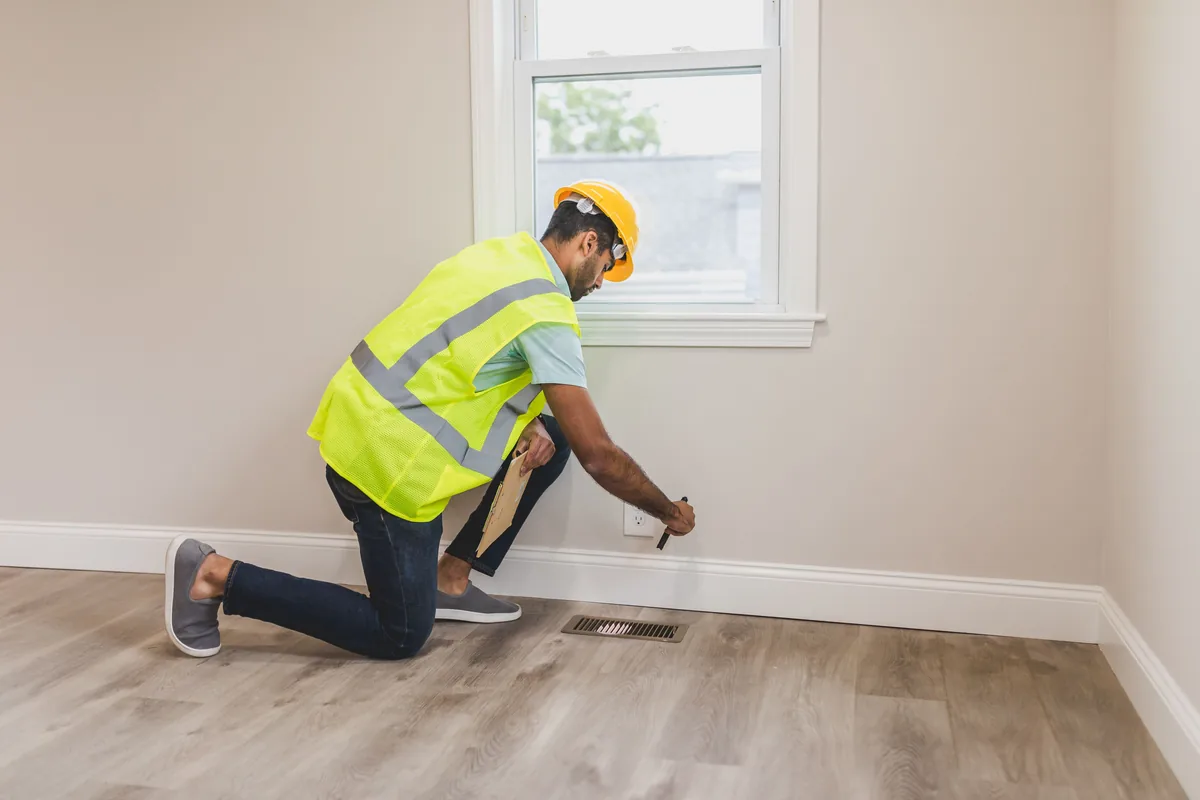
- Free in-home diagnosis. We read moisture, trace the source of the damage, and determine whether it is cosmetic, moisture-driven, or structural. You learn what actually needs fixing. No commitment.
- Written estimate. Line-item breakdown — source correction, drying, subfloor work, replacement material, and finish. Delivered after the visit so you see exactly what you are paying for.
- Moisture-source correction. We fix or coordinate the fix for the leak, vapor path, or intrusion that caused the damage — the step skipped by patch-only crews.
- Dry-out & subfloor repair. The assembly is dried to target moisture, and any rotted or failed subfloor is replaced over a sound base, with mold remediation where needed.
- Floor repair & blend. Matching boards, planks, or tile installed and blended into the surrounding floor, with refinishing where it gives the most seamless result.
Stop the Damage Before It Spreads
Fast reply. Moisture diagnosed. Source fixed first. The floor repaired so it stays repaired.
How to Identify a Qualified Florida Floor Repair Crew
Anyone can swap a board. Few diagnose why it failed. In Florida, the diagnosis is the whole job. Verify all of the following before signing anything:
- Moisture diagnosis before any repair
- A qualified Florida crew meters moisture and traces the source before touching the floor. If the plan is to replace boards without finding the cause, the damage comes back.
- Willingness to fix the source
- The repair has to address the leak, vapor, or intrusion — not just the visible damage. Confirm source correction is in the scope, or you are paying for a repeat.
- Subfloor assessment, not just surface
- Damage on top can mean rot beneath. A reputable crew probes the subfloor so the estimate reflects the real scope instead of a mid-job surprise.
- Honest material-match expectations
- Discontinued boards and aged finishes do not always match perfectly. A trustworthy crew tells you the realistic outcome and when a refinish gives the seamless result.
- Written line-item estimate after a site visit
- A reputable repair crew diagnoses on-site and itemizes source correction, subfloor work, material, and finish. A phone quote with no inspection is a red flag.
Florida Floor Repair Case Study
Our Installation Standards
Every Pro Work floor repair meets these installation standards:
- Florida Building Code compliance
- Any structural or subfloor work tied into the repair is done to FBC requirements, with HVHZ product-approved materials where coastal South Florida requires them.
- Moisture-verified repair
- Moisture metered and the source corrected before the floor is rebuilt — the step that prevents the repeat cupping and rot Florida repairs are known for.
Why Florida Homeowners Choose Pro Work for Floor Repair
Most repair crews fix what they can see. We fix what caused it. The same crew that diagnoses the moisture also corrects the source, dries the deck, and rebuilds the floor — so the repair you paid for actually lasts.
- Source diagnosed and fixed first. We trace the leak or vapor path before touching the floor — the difference between a fix and a repeat.
- Moisture metered every job. The most-skipped step in Florida floor repair, and the one that causes the most callbacks.
- Free in-home diagnosis. On-site moisture reading, source tracing, and a line-item repair plan, no high-pressure sales tactic.
- All floor types. Hardwood, engineered, LVP, laminate, and tile repaired and blended by one crew.
- One crew, source to finish. Moisture correction, subfloor work, and floor repair under one schedule — no bouncing between contractors.
Related Flooring Work We Coordinate
A repair in Florida often pairs with subfloor and finishing work. We hold it all under one crew so the floor ends up sound, flat, and finished:
- Subfloor Repair — rotted or failed deck replaced and vapor mitigated before the finished floor is rebuilt.
- Floor Leveling — an uneven surface left by damage brought back to flat before reinstall.
- Floor Refinishing — a whole-room sand-and-refinish to blend board repairs into a seamless surface.
- Luxury Vinyl Plank — a waterproof reinstall after flood damage so the next storm is a mop-up.