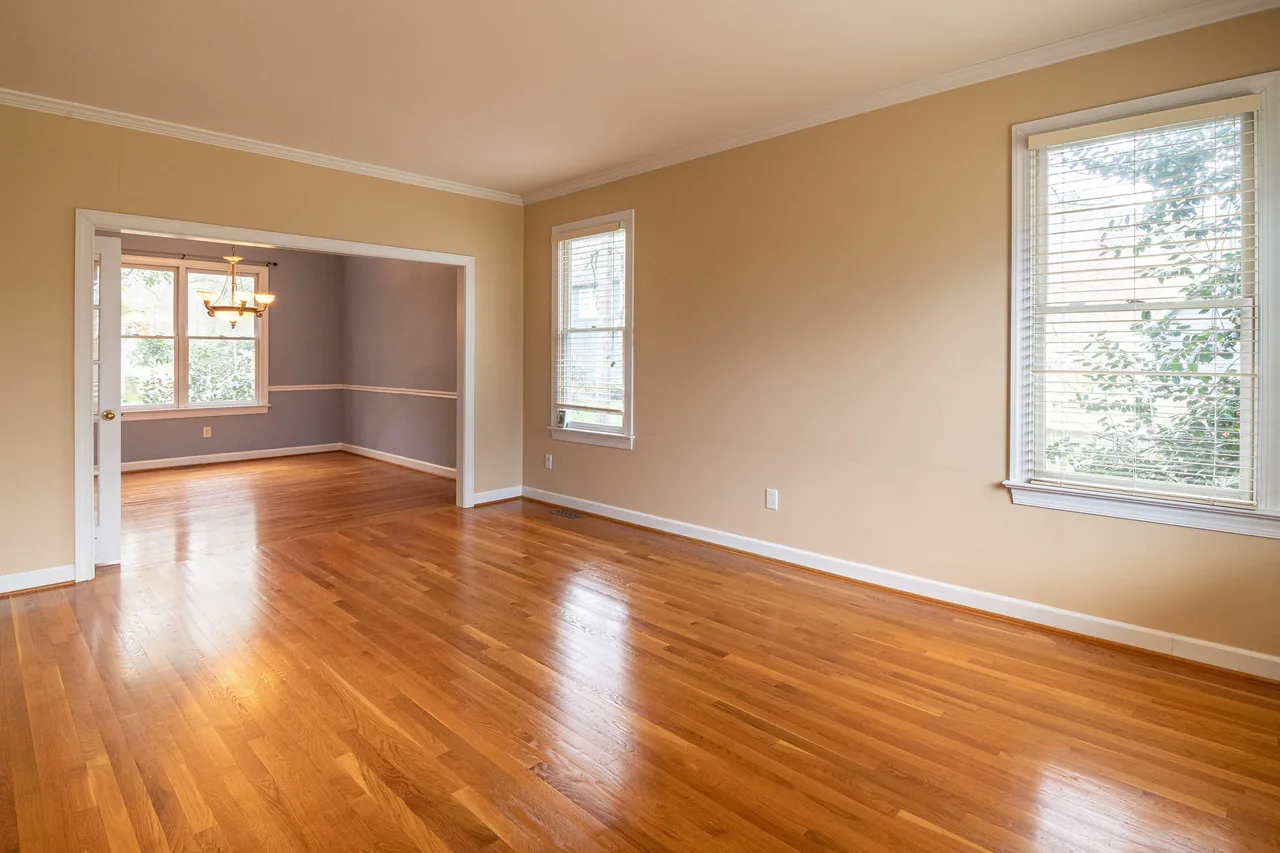
Floor refinishing in Florida is the process of sanding a wood floor back to bare timber and laying a fresh finish — restoring solid or engineered hardwood without tearing it out. A drum or planetary sander removes the old polyurethane, the gray oxidation, pet stains, and surface scratches, then progressively finer grits leave the wood smooth before two or three coats of new finish go down. In Florida the variable that makes or breaks the job is not the sandpaper — it is the air. High RH slows cure, and a finish that does not cure on schedule can blush white, stay tacky, or peel. We read the wood's moisture content and the room's humidity, then time the coats and pick the finish chemistry so the floor dries hard, clear, and durable.
Watch
See Floor Refinishing Done Right in Florida
What Is Floor Refinishing, and When Does Wood Need It?
Floor refinishing strips a wood floor's worn finish and a thin layer of the wood itself, then rebuilds the surface with new finish. It works because solid hardwood carries enough wear-layer thickness above the tongue to be sanded several times over its life, and most quality engineered wood carries a veneer thick enough for at least one refinish. The signs your Florida floor is a refinish candidate rather than a replacement:
- Surface scratches and dull sheen — abrasion sits in the finish, not the wood, so sanding and recoating erases it
- Gray or dark oxidation — UV and moisture haze the old finish; bare wood underneath is usually sound
- Water rings and light pet stains — many lift with sanding; deep black stains that reach the wood may need board repair first
- Cupping that has flattened — once a humidity-cupped board re-stabilizes, sanding levels the high edges
- A color change you want — refinishing is the moment to go lighter, darker, or matte without replacing a single board
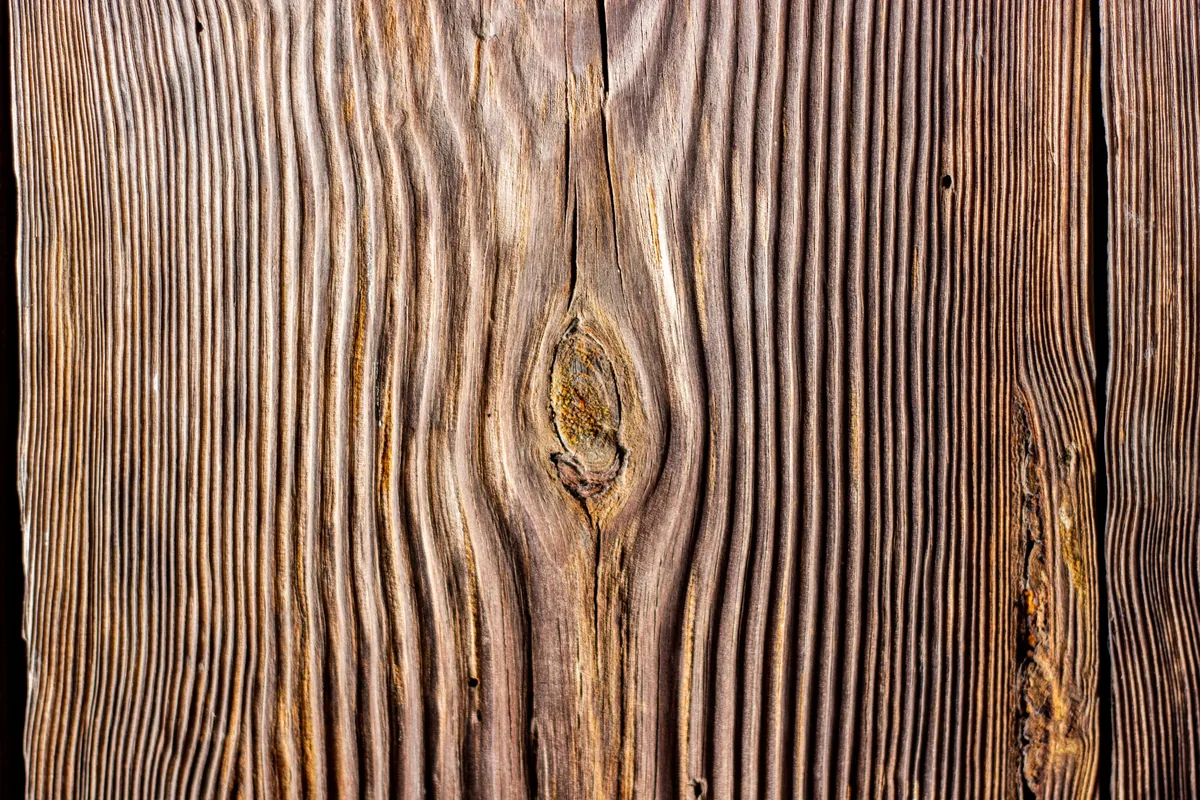
Refinish or Replace? We'll Tell You Straight.
Free in-home visit, a wood moisture reading, and an honest recommendation — recoat, full refinish, or repair first. Written estimate, no pressure.
Why Florida Refinishing Is Different
Humidity controls the finish, and the slab controls the wood. Most Florida homes sit on slab-on-grade concrete, so the wood floor above is constantly exchanging moisture with the slab and the conditioned air. Refinishing exposes raw wood that drinks in that moisture fast, and the new finish cures into that same humid air. Get either wrong and the result shows within days.
- Wood moisture verified before sanding — we want the floor reading in the 6 to 9% range and within a few points of the subfloor, so it is stable before we cut into it
- Indoor humidity managed during cure — air conditioning runs to pull RH down so waterborne and oil finishes flash and harden on schedule instead of blushing
- Finish chemistry chosen for the room — high-RH conditions favor finishes formulated to tolerate humidity rather than a bargain coating that hazes
- Coat timing read off the air, not the can — recoat windows stretch in humid weather; rushing the next coat over an under-cured one is what causes peeling
- Coastal and HVHZ homes — salt air and tighter envelopes change how a room holds humidity, so the cure plan adjusts near the coast
Blushing, Tackiness, and Peeling: The Florida Failure Modes
Almost every refinishing complaint in Florida traces back to moisture in the curing finish. Blushing is a milky white haze that appears when a finish traps humidity as it dries — the water clouds the film. A tacky surface that never fully hardens is the same problem at a different stage, and peeling happens when a fresh coat is laid over one that had not cured. None of these are the wood's fault, and all of them are preventable.
- Blush prevention — we lower indoor humidity before and during finishing, and we use finishes rated for the conditions; a blushed coat has to be sanded off and redone
- Full cure before traffic — light foot traffic returns in a day or two, but rugs and furniture wait until the finish has cured hard, which Florida humidity can extend
- Correct recoat windows — each coat goes down only when the one below has flashed and is ready, never on a clock that ignores the air
- Adhesion screening between coats — abrading between coats gives the next layer something to grip, the step that prevents delamination
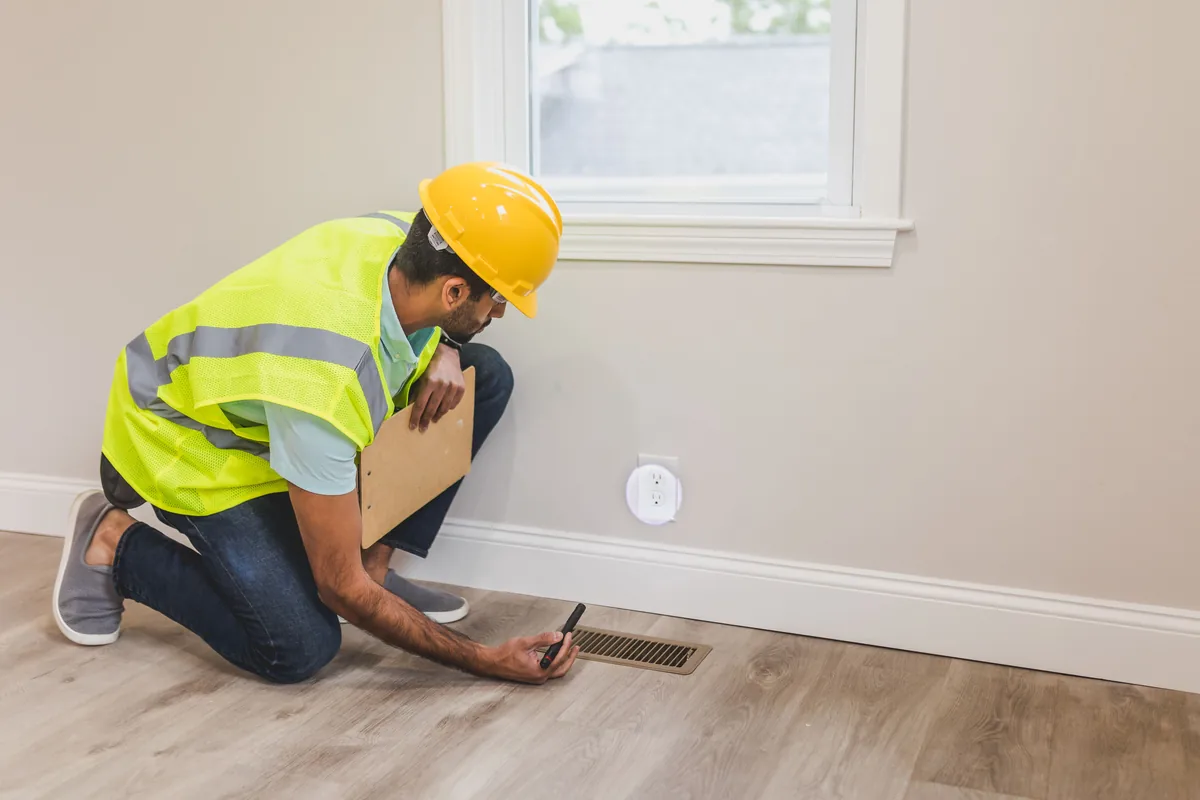
Finish Systems We Use, and How They Behave in Florida
The finish decides the look, the durability, and the cure time. There is no single best finish — there is the right one for your traffic, your sheen preference, and the humidity in your home. We walk you through the trade-offs during the estimate.
- Waterborne polyurethane
- Clear, low-odor, and fast to recoat. It dries close to water-white so it keeps light woods light, and it tolerates Florida humidity well when the room is conditioned. The popular choice for whole-home jobs where you want back in the rooms quickly.
- Oil-modified polyurethane
- Adds a warm amber tone and a deep, durable build. Cure runs longer and odor is stronger, so the room stays empty longer — which in humid weather means careful scheduling. Favored when homeowners want the traditional warm hardwood look.
- Penetrating hardwax-oil
- Soaks into the wood for a natural matte feel and spot-repairable surface. It demands a dry, controlled cure, so humidity management matters most here; the payoff is a finish you can refresh in one area without re-sanding the whole floor.
- Sealer plus topcoats
- A dedicated sealer coat controls how the wood takes the finish and color, then two topcoats build the protective film. Matching the sealer to the topcoat keeps adhesion sound through Florida's humidity swings.
Finish Brands We Apply for Refinishing
Finish quality and a matched sealer-to-topcoat system drive durability more than the sheen you pick. We apply professional finish lines with stated cure data and humidity guidance — and we keep the sealer and topcoat within one manufacturer's system so adhesion stays sound. Bargain big-box finishes often skip the humidity tolerance that a Florida room demands.
- Bona waterborne sealers & topcoats
- Loba 2K waterborne finish
- Rubio Monocoat hardwax-oil
- Pallmann waterborne systems
- DuraSeal oil-modified stain & finish
- Minwax oil-based polyurethane
- Norton / 3M abrasives
- Festool / Lägler dustless sanding
Will Your Floor Need Board Repair or Leveling First?
Sanding reveals what the old finish was hiding — a cracked board, a hollow spot, a stained plank, a squeak from a loose subfloor. Handling these before the finish goes down is far cheaper than after. Damaged boards get woven in or replaced with matching stock, and any unevenness in the underlying floor gets addressed so the sander cuts a flat surface.
We bundle that prep into the same job and the same crew — assess, repair, sand, finish — so your project does not bounce between a repair contractor and a finisher. If the subfloor itself is the problem, we tie in subfloor repair or floor leveling before a single grit touches the wood.
Florida Building Code and Permits for Refinishing
Refinishing an existing wood floor in place does not require a permit, because nothing structural changes — you are restoring a finished surface, not altering the building. The picture shifts only if the work expands into structural board or subfloor replacement, which can fall under the Florida Building Code, and in High-Velocity Hurricane Zone areas (Miami-Dade, Broward, and other coastal South Florida jurisdictions) certain assemblies carry product-approval rules.
We tell you during the estimate whether your specific project stays a straightforward refinish or crosses into work that triggers an FBC requirement, so there are no surprises mid-job.
Our 6-Step Floor Refinishing Process
Every Pro Work refinishing project follows the same six-step framework — built for a flat, blush-free, durable finish on a Florida wood floor.
- Free in-home consultation. We read the wood's moisture, inspect for damage and remaining wear-layer thickness, and show you finish and sheen options. You learn whether a recoat or a full refinish makes sense. No commitment.
- Written estimate. Line-item breakdown — sanding, any board repair, sealer, topcoats, sheen, and timeline. Delivered after the visit so you see exactly what you are paying for.
- Sanding to bare wood. Dustless drum or planetary sanding through a grit sequence — coarse to fine — that removes the old finish and surface flaws while leaving the wood smooth and flat.
- Repair, stain & seal. Damaged boards woven in, optional stain applied evenly, and a sealer coat laid to control color and adhesion. Humidity read before each step.
- Topcoats with humidity-timed cure. Two or three topcoats, each applied only when the prior coat has flashed, with the AC managing indoor RH so the finish cures hard and clear instead of blushing.
Bring Tired Wood Back to Life
Fast reply. Dustless sanding. Blush-free finish cured to your room. Real hardwood restored, not replaced.
How to Identify a Qualified Florida Refinisher
The finish on the can means nothing without the discipline to cure it right. A beautiful sand job ruined by a humid finishing day still has to be redone. Verify all of the following before signing anything:
- Wood moisture testing before sanding
- A qualified Florida refinisher meters the floor's moisture content and checks it against the subfloor. If moisture testing is not in the scope, blushing and adhesion problems are a coin flip.
- Dustless containment sanding
- Modern sanders attach to HEPA-rated dust extraction. A crew sanding without containment fills your home with fine wood dust and leaves grit that ruins the finish.
- Humidity-managed finishing
- Ask how they control indoor RH during cure. A refinisher who runs the AC and times coats to the air prevents the blushing that humid Florida finishing days cause.
- A matched sealer-and-topcoat system
- Mixing a random sealer under an unrelated topcoat invites peeling. Confirm the finish system comes from one manufacturer and is rated for the conditions.
- Written line-item estimate after a site visit
- A reputable refinisher inspects the wood on-site and itemizes sanding, repair, and finish. A phone quote with no moisture reading is a red flag.
Florida Floor Refinishing Case Study
Our Installation Standards
Every Pro Work floor refinishing project meets these installation standards:
- Florida Building Code compliance
- Any board or subfloor work tied into the refinish is done to FBC requirements, with HVHZ product-approved materials where coastal South Florida requires them.
- Moisture-verified finishing
- Wood moisture metered before sanding and indoor humidity managed through cure — the step that prevents the blushing and peeling Florida finishing is known for.
Why Florida Homeowners Choose Pro Work for Refinishing
Most crews sand a floor the same way they would in a dry northern winter, then pour the finish on a clock. We treat Florida humidity as the project. The same hands that meter the wood also manage the room's air and time every coat — so the finish you paid for cures hard and clear.
- Humidity-timed cure. We read the room's RH and finish to the air, not the calendar — the difference between a clear floor and a blushed one.
- Wood moisture metered every job. The most-skipped step in Florida refinishing, and the one that causes the most callbacks.
- Dustless containment sanding. HEPA-rated extraction keeps your home livable and the finish grit-free.
- Matched finish systems. Sealer and topcoat from one manufacturer, rated for Florida conditions, applied to keep adhesion sound.
- One crew, repair to finish. Board repair, sanding, and finishing under one schedule — no bouncing between contractors.
Related Flooring Work We Coordinate
A refinishing project in Florida often pairs with repair and finishing work. We hold it all under one crew so the floor comes out flat, sound, and finished:
- Floor Repair — damaged or water-stained boards woven in or replaced before the sander runs.
- Subfloor Repair — squeaks, soft spots, and moisture issues in the deck fixed before refinishing.
- Floor Leveling — high and low spots corrected so the sander cuts an even surface.
- Stair Refinishing — matching stair treads and risers refinished to the same color and sheen as the floor.